Asia Pacific is the fastest growing region for health care spending, and by 2030 APAC will account for more than 20% of global health care spending, Tom Lawry, managing director of Second Century Tech told the APACMed Forum 2024 conference held in Singapore, Sept 5-6.
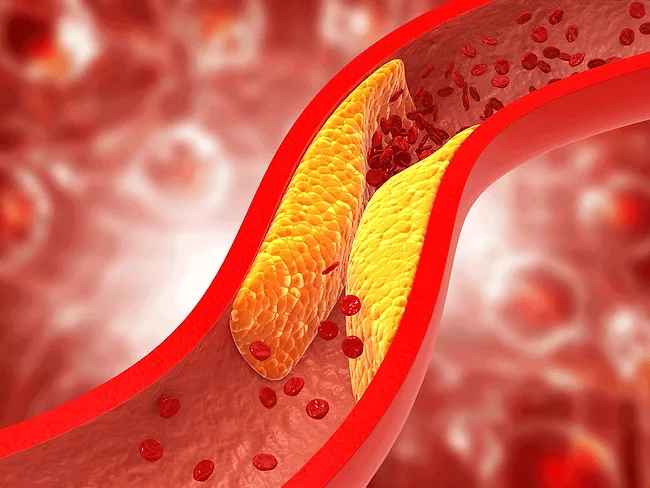
Glenmark Pharmaceuticals Inc. USA agreed Sept. 4 to pay $25 million, based on its ability to pay, to resolve the Department of Justice’s civil allegations that it conspired to fix the U.S. price of pravastatin, a generic drug used to treat high cholesterol.
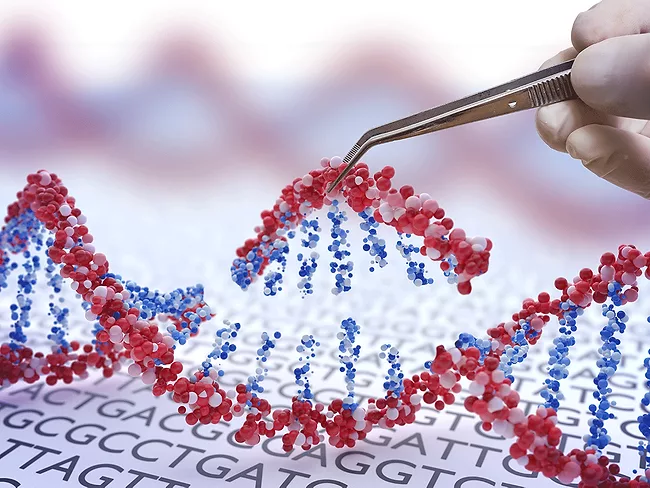
Yoltech Therapeutics Co. Ltd. licensed its PCSK9-targeting gene editing therapeutic, YOLT-101, to Shenzhen Salubris Pharmaceuticals Co. Ltd. for mainland China rights in a deal worth ¥1.035 billion (US$145 million).
Yunovia Co. Ltd. gained clearance in South Korea to start a multiple ascending dose phase I study for ID-110521156 – a novel, orally available, small-molecule, glucagon-like peptide-1 (GLP-1) agonist.
South Korean digital health care firm Seers Technology Co. Ltd. is targeting a ₩22.1 billion (US$16.2 million) IPO on the Korea Exchange, after upping the offering price of its 1.3 million shares to ₩17,000 per share on June 4.
CSPC Pharmaceutical Group Ltd.’s anti-βKlotho monoclonal antibody drug JMT-202 has received clearance from China’s National Medical Products Administration (NMPA) to enter clinical trials to lower triglyceride levels in patients with hypertriglyceridemia.
As the average cost of new drug R&D continues to skyrocket, the perception around using artificial intelligence (AI) as a tool to boost drug discovery is changing. “Developing new AI-based drugs is a difficult task, not only for Korea but also for countries with leading AI technology,” Hyeyun Jung, principal researcher of Korea Health Industry Development Institute’s Center for Health Industry Policy, told the audience at the Bio Korea meeting on May 9. “But there is a change in perception; [namely that] applying AI to new drug development is not an option but a necessity.”
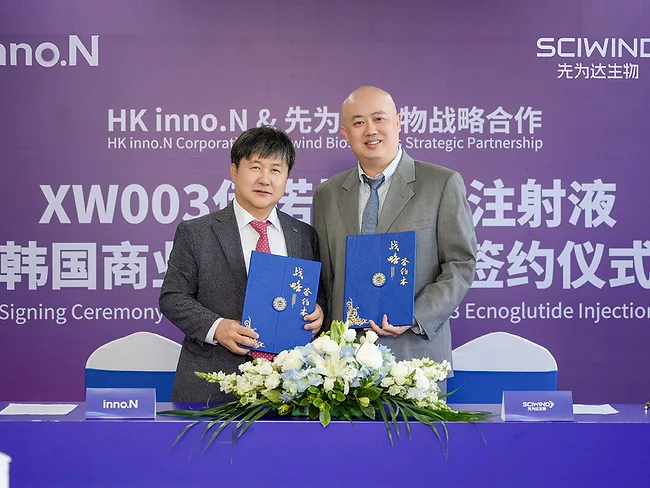
South Korea’s HK Inno.N Corp. said on May 2 that it gained exclusive development and commercial rights to Hangzhou, China-based Sciwind Biosciences Co. Ltd.’s once-weekly, injectable glucagon-like peptide-1 (GLP-1) agonist, XW-003 (ecnoglutide), in South Korea to treat type 2 diabetes and obesity.
Japanese researchers have transplanted human induced pluripotent stem cells (iPSCs) in a primate model of myocardial infarction and were able to restore heart muscle and function in monkeys. Developed by Tokyo-based Heartseed Inc., the grafted iPSCs consist of clusters of purified heart muscle cells (cardiomyocyte spheroids) that are injected into the myocardial layer of the heart. Published in Circulation on April 26, 2024, the study showed that the cardiomyocyte spheroids survived long term and showed improved contractile function with low occurrence of post-transplant arrhythmias.
China’s Pegbio Co. Ltd. is planning a Hong Kong IPO to advance PB-119, its main glucagon-like peptide 1 receptor agonist for diabetes nearing domestic approval, as it hopes to transition to an operating profit.
 RSS
RSS