Regenerative medicine company Mesoblast Ltd. is preparing to launch its allogeneic bone marrow-derived mesenchymal stromal cell (MSC) therapy, Ryoncil, (remestemcel-L), in March in the U.S. and has priced the treatment at roughly $1.55 million for a full course.
Several Asia biotechs this week – including Innocare Pharma Ltd., Akeso Pharmaceuticals Inc., Sanbio Co. Ltd. and Ascletis Pharma Inc. – unveiled the start of new late-stage clinical trials or interim findings from early stage studies.
Olix Pharmaceuticals Inc. walked the talk in realizing a new $630 million licensing deal with Eli Lilly and Co. for its cardiovascular and metabolic disease asset, OLX-702A (OLX-75016), rallying stock by 30% after it had largely recovered from a terminated deal with France’s Théa Open Innovation last year.
Australia’s Therapeutic Goods Administration (TGA) has approved CSL Ltd.’s Andembry (garadacimab) for preventing recurrent hereditary angioedema attacks, marking the first global approval for the drug that was discovered and developed in Australia by CSL scientists.
George Medicines, a new spinout from Australia’s George Institute for Global Health, could offer patients better control of their blood pressure as well as fewer side effects thanks to an ultra-low-dose triple combination.
CSPC Pharmaceutical Group Ltd. on Jan. 13 gained the National Medical Products Administration’s approval of Shanzeping (prusogliptin tablets; DBPR-108) as a novel oral dipeptidyl peptidase-IV (DPP-4) inhibitor to treat adult patients with type 2 diabetes.
Merck & Co. Inc. has turned to Asia for a second time to get into the GLP-1 market, this time to Shanghai-based Hansoh Pharmaceutical Group Co. Ltd. for its investigational preclinical oral small-molecule GLP-1 receptor agonist. Hansoh is getting $112 million up front and could bring in another $1.9 billion in milestone payments. Merck said the addition to its GLP-1 arsenal is “to provide additional cardiometabolic benefits beyond weight reduction.”
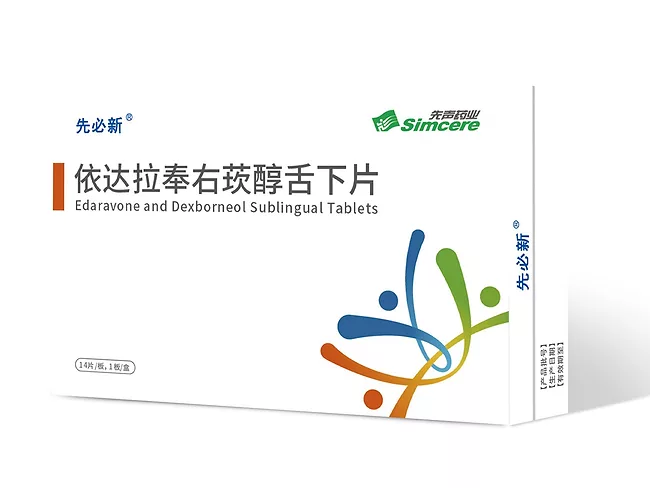
China’s National Medical Products Administration (NMPA) granted new approvals to several Chinese biopharmaceuticals this week, including expanding indications of four different cancer drugs and clearing one sublingual tablet for stroke.
An international consortium of thousands of scientists is creating the Human Cell Atlas, a three-dimensional map of all the cells in the body. The goal is to understand all the cells that make up human tissues, organs and systems, which will enable multiple medical applications. This collection of cell maps is openly available for navigation at single-cell resolution, identified through omics analyses that reveal the tridimensional distribution of each cell.
For the first time, Australians have access to CSL Inc.’s Vazkepa (icosapent ethyl/Vascepa) for managing cardiovascular disease more than a decade after the drug was first approved in the U.S.
 RSS
RSS