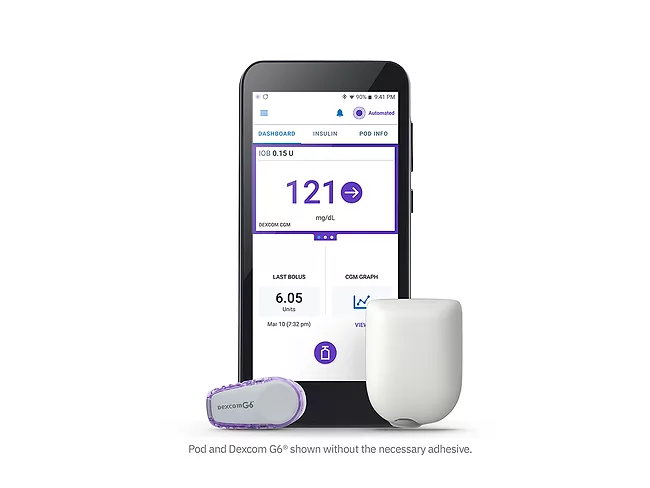
Dexcom Inc. posted a 19% increase in first quarter revenues compared to 2022 boosted by a stunning 27% organic growth in sales outside the U.S. With clearance of the G7 device in hand, another record set in new patient starts and coverage of continuous glucose monitoring (CGM) systems by CMS effective this month, the year is shaping up to be quite rosy for the diabetes device company.
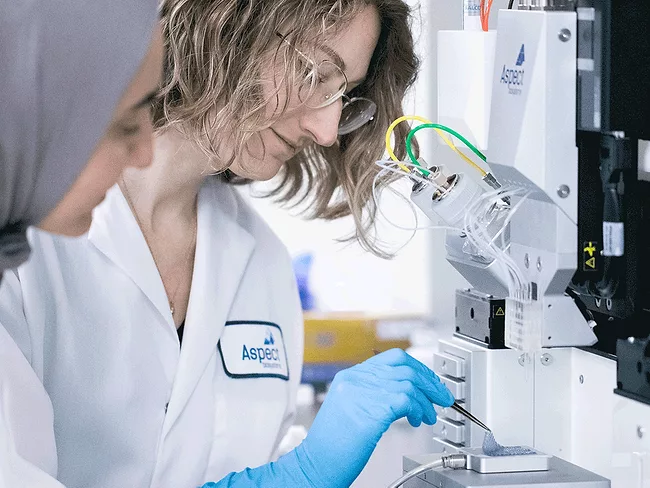
In collaborating with Novo Nordisk A/S, privately held Aspect Biosystems Ltd. entered its biggest ever deal that could bring in more than $2.6 billion while advancing its 3D, bioprinted tissue therapeutics technology. The two companies will collaborate to develop up to four diabetes and/or obesity products, a Novo specialty, using implantable bioprinted tissues to replace, repair or supplement human biological functions. The initial target will be type 1 diabetes.
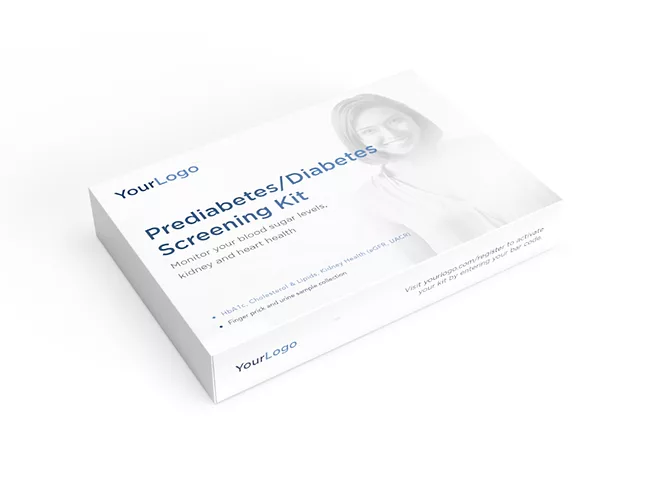
Ixlayer Inc. expanded access to diabetes screening by offering its test via retailers, health systems and payers, making it easier for consumers to measure and track their blood glucose levels without requiring a doctor’s visit or prescription. If an individual’s test results indicate that they have or are at risk of developing diabetes, however, the company will offer to connect them with a health care provider available through the reseller’s network to discuss next steps.
An artificial pancreas system that draws on research conducted at the University of Virginia to effectively combine Dexcom Inc.’s continuous glucose monitor and Tandem Diabetes Care Inc.’s artificial intelligence-enabled insulin pump works effectively in children under 6 years of age with type 1 diabetes, a study published in the New England Journal of Medicine showed.
Three months earlier than anticipated, CMS published its final local coverage determination (LCD) for continuous glucose monitors and included more people with diabetes than expected. The new policy expands coverage from individuals with type 1 diabetes or type 2 diabetes using multiple daily injections of insulin to anyone treated with insulin, essentially doubling the market for manufacturers of continuous glucose monitors (CGMs).
Insulet Corp. reported much better than expected fourth quarter results, following on Dexcom Inc.’s report of earlier than expected coverage decision from CMS for its just-approved G7 continuous glucose monitor. Insulet (NASDAQ:PODD) soundly beat Wall Street’s expectations for quarterly revenue by $38 million, bringing in $332 million instead of the anticipated $332 million, driven by strong uptake of its Omnipod tubeless insulin pump.
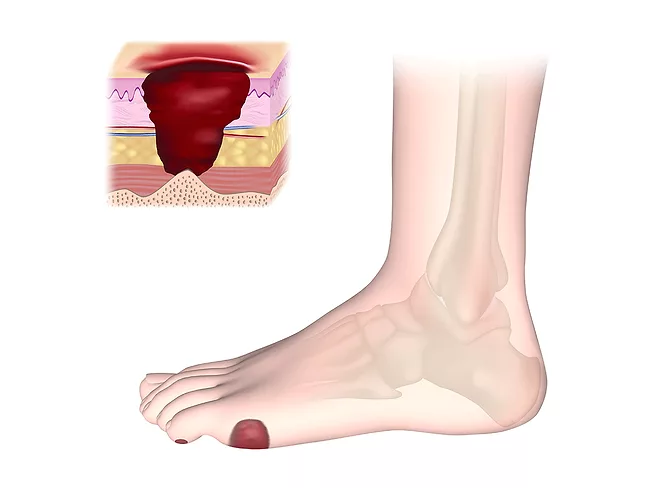
Researchers at Indiana University School of Medicine are exploring avenues to heal wounds by identifying proteins that are active in fetuses, but largely inactive in adults and absent in diabetic adults. They have identified a protein called nonselenocysteine-containing phospholipid hydroperoxide glutathione peroxidase, or NPGPx, that fits the bill and could be the basis for therapies aimed at diabetic wound healing. NPGPx is a direct transcriptional target of miR-29. miR-29 is downregulated in fetal tissue, thus NPGPx is active in fetal tissue but becomes mostly inactive in the skin after birth.
Metabolic health is at an odd juncture. With the advent of glucagon-like peptide (GLP-1) agonists, pharmacologically induced weight loss has matured into a viable therapeutic option at long last. And research into the drug class is continuing apace.
Insulet Corp. got the U.S. FDA’s nod to extend use of its Omnipod 5 automated insulin pump to children aged 2 years and up with type 1 diabetes. The expanded indication, just seven months after FDA cleared Omnipod 5 for patients 6 years and older, represents the first time a tubeless automated insulin delivery (AID) system has been authorized for use in children this young.
Med-tech manufacturers can expect the market for diabetes care-related products, ranging from insulin pens to smart devices, to rise in India. India already has the second-largest number of adults with diabetes globally, after China.

 RSS
RSS