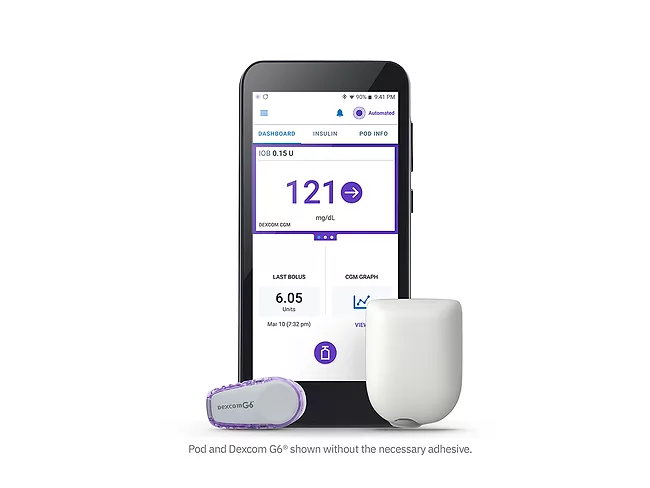
The C-suite at Dexcom Inc. is breathing easy with the company having snagged CE marking for its latest continuous glucose monitoring (CGM) system, the G7, less than two weeks after receiving FDA breakthrough device designation for its CGM for hospital use. “This all-new platform offers an incredibly powerful CGM that is simple to use, providing our users with insightful glucose data on one screen that helps them spend less time managing diabetes and more time doing the things they love. Dexcom G7 takes everything people love about G6 and makes it even better,” said Dexcom CEO Kevin Sayer.
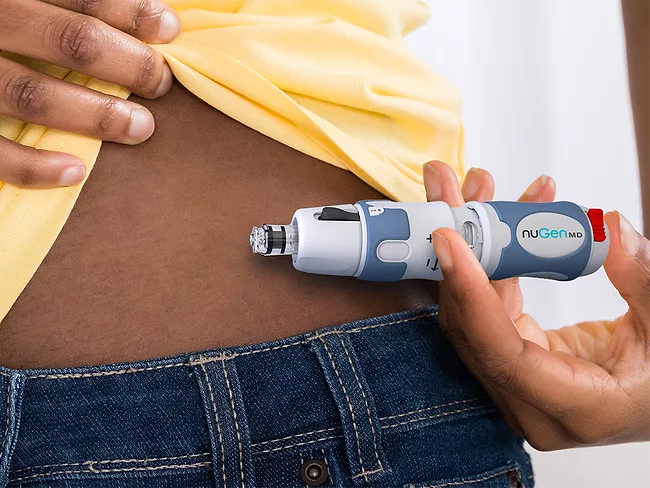
A needle-free injection system for patients with diabetes developed by Nugen Medical Devices Inc. has been approved for use in 40 countries but until now has yet to crack the North American market. Nugen said it is now gearing up for FDA and Mexican approval of the Nugen MD needle-free injector following Health Canada’s approval of the system less than a month after the Toronto med tech went public in late 2021.
At long last, the FDA granted premarket approval to Senseonics Holdings Inc.’s fully implantable Eversense E3 continuous glucose monitoring (CGM), an implantable device that provides accurate glucose readings for six months. The CGM will be available in the U.S. through Senseonics’ commercial partner, Ascensia Diabetes Care Holdings AG, starting in the second quarter. In Europe, the previous generation Eversense XL is available today and the company plans to launch the E3 in the third quarter of 2022.
Second Sight Medical Products Inc. has struck a deal to acquire Nano Precision Medical Inc. (NPM) in an all-stock transaction. NPM will merge with a wholly owned subsidiary of Second Sight, and the combined company will focus on the development of drug and device medical implants. The deal comes less than a year after Second Sight’s proposed acquisition of French company Pixium Vision LLC fell through in controversial fashion. The company will issue approximately 134 million shares of its common stock to acquire full ownership of NPM and shareholders will acquire approximately 23% equity of the combined company
Know Labs Inc. has received approval from an independent institutional review board for an internal clinical study of its noninvasive glucose monitoring technology. The aim is to further validate the Bio-RFID (radio frequency identification) platform’s ability to accurately measure and detect changes in blood glucose levels. The study will be conducted at the Seattle-based company’s new research and development laboratory and include 200 subjects.
Glooko Inc. acquired Xbird GmbH to further build out its diabetes management platform by adding Xbird’s just-in-time artificial intelligence (JITAI) system to provide adaptive interventions that can enable better informed decision making in the moment. The company declined to provide details of the transaction.
Insulet Corp. received FDA clearance for its Omnipod 5 closed-loop automated insulin delivery (AID) system for patients aged six and older who have type 1 diabetes on Friday, Jan. 28, making it the first tubeless “artificial pancreas” system to get the FDA greenlight. The Omnipod 5 works with Dexcom Inc.’s widely used G6 continuous glucose monitor (CGM) to self-adjust insulin dosing using its Smartadjust algorithm.
Medtronic plc received FDA premarket approval Friday for use of its Intellis rechargeable and Vanta recharge-free neurostimulators in patients with diabetic peripheral neuropathy (DPN), suddenly tripling the number of spinal cord stimulators approved for the indication. Medtronic’s implantable spinal cord stimulators (SCS) now join Nevro Corp.’s HFX, which has had the distinction since July 2021 of being the only device with FDA approval for DPN, also known as painful diabetic neuropathy (PDN).
With the agreement to purchase Physimax Technologies Ltd. in its rearview mirror, Dariohealth Corp. passes another milestone with its third tuck-in deal in a year. Physimax, a provider of computer vision technology for musculoskeletal (MSK) screening and predictive risk assessment, joins Psyinnovations Inc. (dba Wayforward) and Upright Technologies Ltd. as tuck-ins for the rapidly growing digital health company. The latest deal is by far the smallest. The terms call for the issuance of 256,660 shares of Dariohealth’s common stock, valued at Wednesday’s closing price of $9.65 per share at just under $2.5 million, plus a cash payment of $500,000.
A study by researchers led by David James from the University of Sydney showcases the diversity in metabolic responses observed across different mouse strains exposed to two different diets that demonstrates the heritability of metabolic traits.
 RSS
RSS