A global commission has proposed a fundamental change to the way obesity is defined and diagnosed. If the change is implemented, obesity would be considered a health risk in some contexts, and a disease in others. “The commission is reframing obesity... in a way that allows for the nuanced reality of obesity,” Robert Eckel told reporters at a press briefing announcing the proposal, which was published online in The Lancet Diabetes & Endocrinology on Jan. 14, 2025.
It’s one thing for the scientific community to propose a fundamental change to the way obesity is defined and diagnosed. But it’s another for that proposal to be adopted by regulators, especially when the current definition that relies primarily on the body mass index is entrenched in guidance and obesity drug development and approval.
CSPC Pharmaceutical Group Ltd. on Jan. 13 gained the National Medical Products Administration’s approval of Shanzeping (prusogliptin tablets; DBPR-108) as a novel oral dipeptidyl peptidase-IV (DPP-4) inhibitor to treat adult patients with type 2 diabetes.
In a deal potentially worth $810 million for Regenxbio Inc., Nippon Shinyaku Co. Ltd. is partnering on the U.S. and Asian development and commercialization of iduronate-2-sulfatase enzyme RGX-121 for Hunter syndrome and RGX-111 for Hurler syndrome.
Caliway Biopharmaceuticals’ lipolysis candidate, CBL-514, met all the primary and secondary efficacy endpoints in a phase IIb study for subcutaneous fat reduction, paving the way for the company to begin a global pivotal phase III study in 2025.
After raising AU$40 million (US$25.9 million) earlier this year to advance lead candidate VP-001 for treating retinitis pigmentosa type 11, PYC Therapeutics is now advancing PYC-003 to the clinic for polycystic kidney disease.
Recently presented preclinical data show that EA Pharma Co. Ltd.'s EA-3571 is a highly potent dual inhibitor of enteropeptidase and trypsin with luminal action, resulting in potential anti-insulin resistance and fat-burning properties.
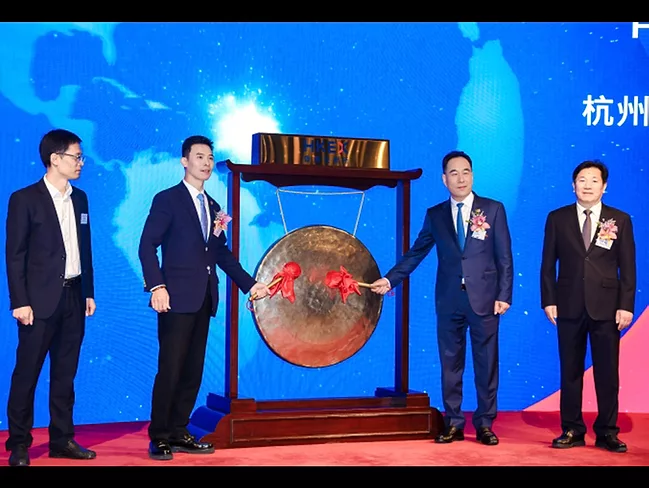
Hangzhou Jiuyuan Gene Engineering Co. Ltd. raised HKD$485.4 million (US$62.38 million) in a November 28 IPO on the main board of the Hong Kong Stock Exchange (HKEX:2566).
Apollo Therapeutics Group Ltd. and Sunshine Lake Pharma Co. Ltd. inked a potential $938 million licensing deal for APL-18881 (HEC-88473), Sunshine’s dual fibroblast growth factor 21 (FGF21)/glucagon-like peptide-1 (GLP-1) receptor agonist currently in a phase II study for type 2 diabetes.
Positive findings from a phase III trial of semaglutide in metabolic dysfunction-associated steatohepatitis (MASH) is moving Novo Nordisk A/S to expand the glucagon-like peptide-1 (GLP-1) agonist’s indications in the U.S. and Europe, the Danish pharma said, as the MASH field sights more novel therapies.
 RSS
RSS