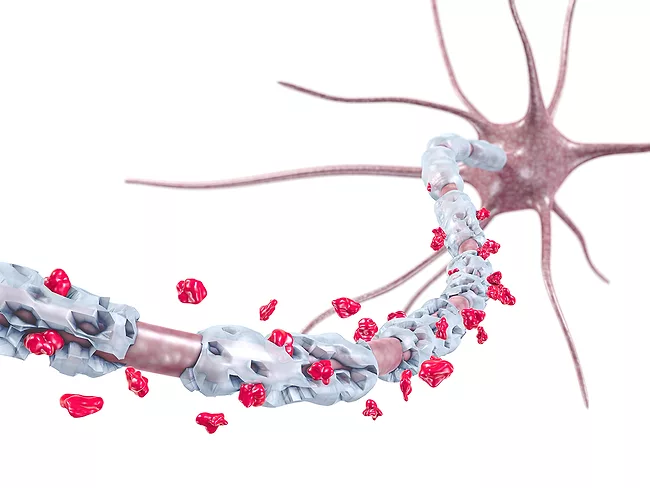
In multiple sclerosis (MS), an alteration of neuronal metabolism caused by dysfunction of its proteasome, the cellular machinery responsible for recycling proteins, contributes to neurodegeneration in this inflammatory disease. This finding could be explored for the development of drugs that protect neurons from damage in MS and other neurodegenerative disorders.
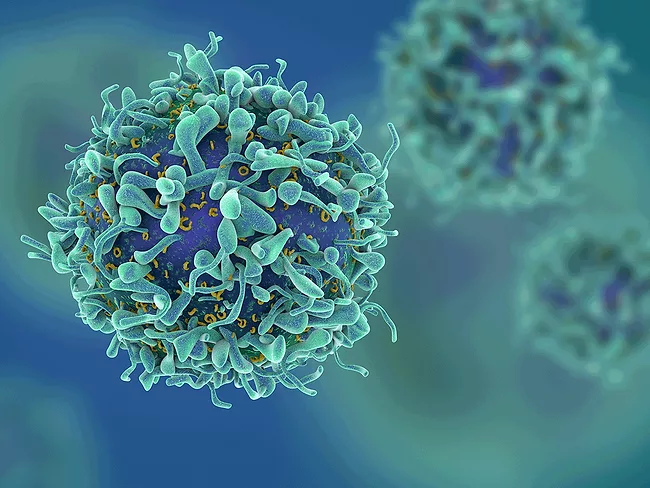
At the 11th Congress of the European Academy of Neurology, which was held in Helsinki June 21 to June 24, researchers presented new data on using CAR T cells in autoimmune neurological conditions.
Work at Rubedo Life Sciences Inc. has led to the development of Bcl-2-like protein 1 (Bcl-xl; Bcl-X; BCL2L1) inhibitors acting as senolytic agents and reported to be useful for the treatment of autoimmune disease, cancer, cardiovascular disorders, cognitive disorders, diabetes, inflammatory, metabolic and neurological disorders, among others.
Cue Biopharma Inc. has received pre-IND feedback from the FDA to discuss the proposed development plan for CUE-401, its lead autoimmune asset. Based on FDA feedback, the company intends to file an IND pending completion of final IND-enabling studies.
A global consortium led by Adaptvac ApS aims to design and test a new vaccine that could offer broad protection against several filoviruses, including Zaire ebolavirus, Sudan ebolavirus and Marburg virus.
Harbour Biomed Ltd. has established a global strategic collaboration with Otsuka Pharmaceutical Co. Ltd. to advance BCMAxCD3 bispecific T-cell engagers for the treatment of autoimmune diseases.
Chimeric antigen receptor (CAR) T-cell therapy has been a game changer in the treatment of B-cell malignancies, although their manufacturing process is complex and needs lymphodepletion, thus limiting their use. Researchers from Capstan Therapeutics Inc. have recently published data regarding an in vivo engineering approach to generate CAR T cells using targeted lipid nanoparticles (LNPs) for mRNA delivery to specific T-cell populations for the treatment of cancer and B-cell-mediated autoimmune diseases.
Researchers from Purdue University and the U.S. Centers for Disease Control and Prevention have recently developed a novel influenza vaccine candidate that uses a bovine adenoviral (BAd) vector to deliver nucleoprotein (NP) antigens from both influenza A and B viruses, along with an autophagy-inducing peptide (C5) to enhance cellular immune responses, particularly T-cell responses.
Chinese researchers are preparing the details for the publication of another scientific milestone, the creation of a chimera with a human heart and a kidney developed from human stem cells in pig embryos. These studies aim to address the shortage of immunocompatible organ donors while shedding light on some of the most fundamental questions in developmental biology.
Systemic sclerosis (SSc) is a particularly severe form of fibrotic disease that affects multiple organs. SSc is the most deadly autoimmune rheumatic disease.
 RSS
RSS