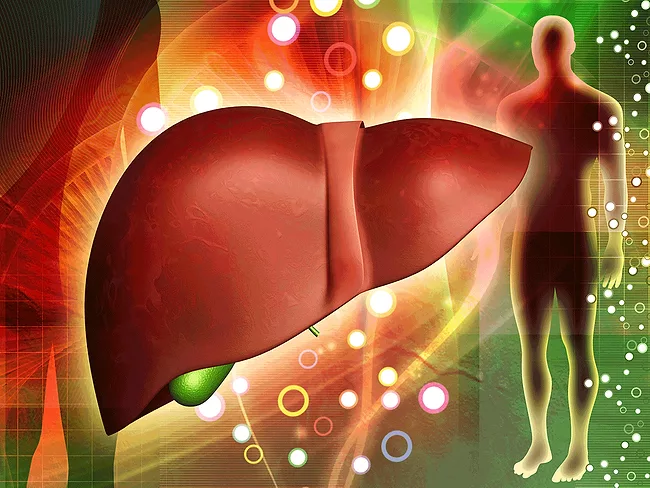
Anti-PD-1/PD-L1 therapy has shown success in the treatment of liver cancer and may reverse immune tolerance in chronic hepatitis B (CHB). Aligos Therapeutics Inc. has presented preclinical data on the characterization of ALG-093940, a small molecule PD-1/PD-L1 inhibitor that induces PD-L1 dimerization and degradation.
Traws Pharma Inc. has reported that it is advancing a novel proprietary broad-spectrum combination antiviral agent with potential utility against hantavirus, Ebola and Lassa.
Recent findings are reshaping current understanding of the post-infection landscape of SARS-CoV-2. Although previous studies had already suggested that autoimmunity might underlie the persistent neurological symptoms seen in long COVID, researchers at Yale University and Mount Sinai now reinforce this hypothesis. SARS-CoV-2 infection appears to trigger an autoimmune mechanism that drives chronic pain, fatigue and cognitive impairment in some patients.
Less than two weeks after the outbreak was officially declared, animal studies of a newly designed vaccine against the Bundibugyo Ebola virus are now underway in the U.S. and U.K., and the Serum Institute of India is standing ready to manufacture the vaccine for clinical trials. If the animal tests are positive, the vaccine will be ready for clinical trials in two to three months.
Eli Lilly and Co. has offered to buy three vaccine companies for up to $3.8 billion combined, including up to $1.55 billion for Vaccine Company Inc., whose in vivo nanoparticle (IVN) technologies are designed to enable antigens that elicit durable immune responses, much like virus-like particle (VLP) vaccines, but avoid the VLP manufacturing burden.
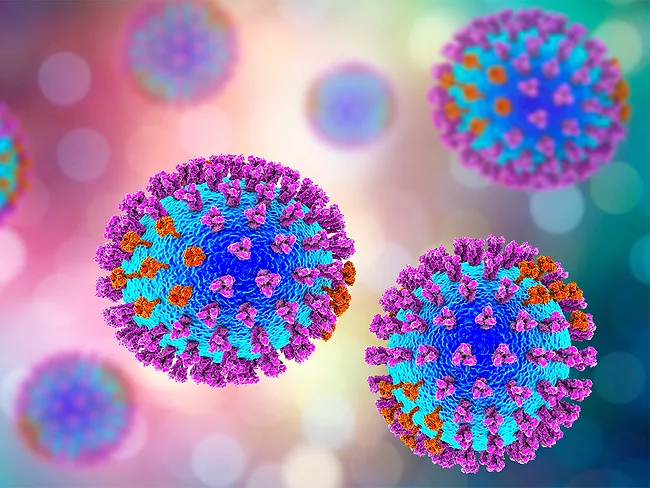
Cocrystal Pharma Inc. has reported the discovery of direct-acting antivirals that demonstrate pan-viral activity against multiple viruses, including hantavirus, bunyavirus and influenza. These compounds target a highly conserved region of the viral replication enzyme – the L-protein of Andes virus, which is essential for viral replication and transcription.
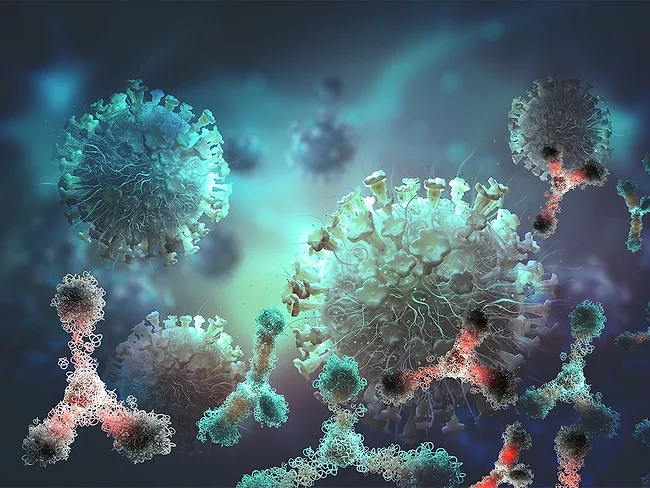
Although influenza virus infection can be particularly life-threatening among young infants, approved vaccines are lacking for infants under 6 months. Aiming to overcome the required annual updates to the influenza vaccine, recent efforts have focused on generating vaccines that promote broadly reactive antibodies (Abs) targeting conserved regions of viral proteins, such as the stem domain of hemagglutinin (HA).
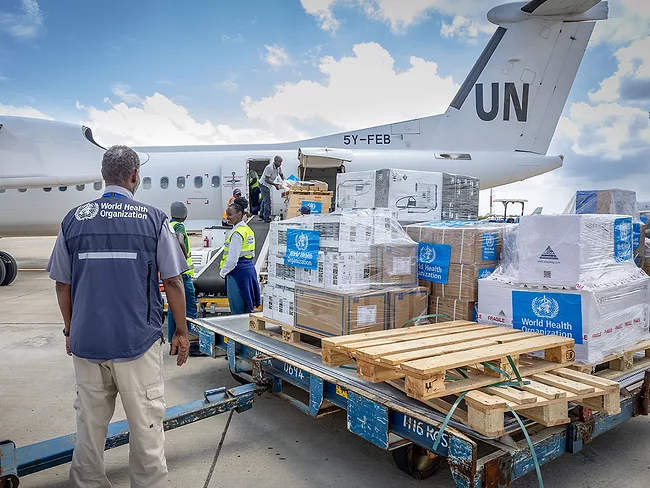
It is not surprising that a large Ebola outbreak would be considered a public health emergency of international concern. But the current PHEIC is notable for the speed with which it was declared, speaking to the urgency of the situation. World Health Organization Director-General Tedros Adhanom Ghebreyesus declared the outbreak a PHEIC on Sunday, May 17, without first convening an emergency committee. That step is unprecedented.
Maxwell Biosciences Inc. has reported findings from a study showing that its broad-spectrum small molecules, named Claromers, are able to destroy Epstein-Barr virus. Claromers destroy pathogenic bacteria, viruses, fungi and biofilms, without harming healthy cells or the microbiome.
On Sunday, May 17th, 2026, the World Health Organization classified the ongoing Bundibugyo ebolavirus outbreak in the Democratic Republic of Congo (DRC) as a public health emergency of international concern (PHEIC). The rapid escalation to PHEIC is due to several factors. Given the high number of cases, the outbreak has likely been going undetected for some time, and may be a “much larger outbreak than what is currently being detected and reported, with significant local and regional risk of spread,” according to the WHO statement. The outbreak appears to already have crossed the border from the DRC into Uganda at least twice. And all this is happening with a virus for which there are no approved treatments or vaccines.
 RSS
RSS