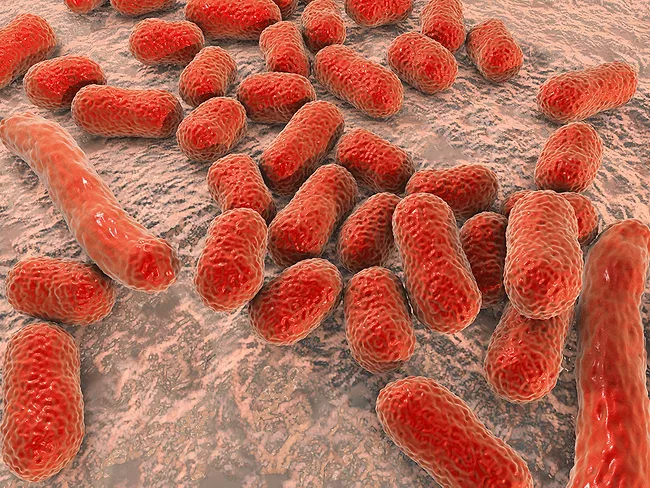
Acinetobacter baumannii, a gram-negative opportunistic bacteria causing nosocomial bloodstream, urinary tract and airway infections, poses a high disease burden worldwide, particularly in Sub-Saharan Africa. Moreover, A. baumannii is a multidrug resistance (MDR) critical priority pathogen that could contribute up to 10 million deaths annually by 2050. Therefore, novel antibiotic approaches to treat MDR A. baumannii constitute a critical medical need.
Janssen R&D (Ireland) has identified compounds acting as viral fusion inhibitors and reported to be useful for the treatment of respiratory syncytial virus (RSV) infections.
Jiangxi Jemincare Group Co. Ltd. has reported that its wholly owned subsidiary company, Shanghai Jemincare Pharmaceutical Co. Ltd., recently received approvals for clinical trials of five of its drugs in the fields of cancer, kidney and infectious diseases.
A team of researchers at Monash University, Swiss Tropical & Public Health Institute and the University of Nebraska have prepared aryl hydantoin compounds for the treatment of schistosomiasis.
Asieris Pharmaceuticals Co. Ltd. announced that it has received approval to commence phase I clinical trials in Australia of its novel antibacterial drug, APL-2301 (ASN-1733, MET-102), under development for the treatment of Acinetobacter baumannii infections.
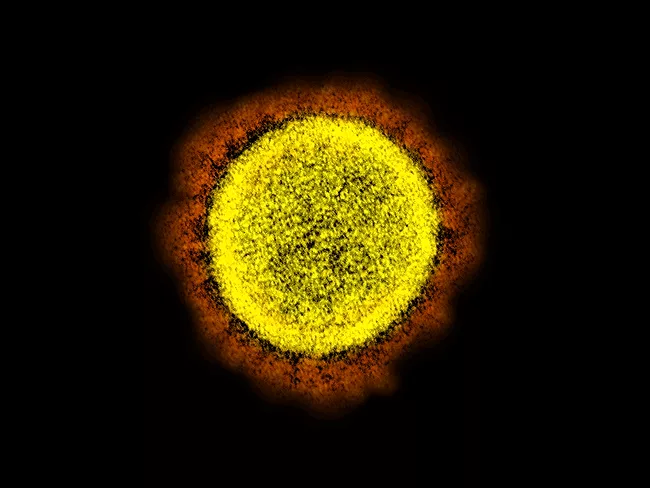
University of Minnesota has divulged nonstructural protein 14 (NSP14) (SARS-CoV-2) inhibitors reported to be useful for the treatment of SARS-CoV-2 infection.
Researchers at Centre Hospitalier de Université de Montréal and University of Pennsylvania have identified compounds reported to be useful for the treatment of HIV-1 infection.
In a study published in Antiviral Research, researchers from the Max Planck Institute for Multidisciplinary Sciences and collaborators have presented optimized nanobodies targeting the receptor binding domain (RBD) of the SARS-CoV-2 spike protein.
 RSS
RSS