Emergex Vaccines Holding Ltd. has signed a contract with the U.K. Department of Health and Social Care (DHSC) for almost £1.8 million (US$2.2 million) to advance a CD8 T cell-based vaccine candidate against Chikungunya virus (CHIKV).
Researchers from Aligos Therapeutics Inc. presented preclinical data for ALG-001075, a novel capsid assembly modulator leading to the formation of empty capsids (CAM-E), being developed for the treatment of hepatitis B.
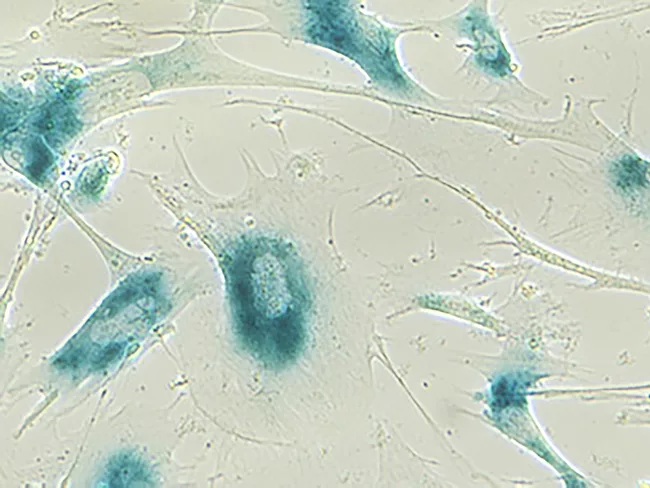
Researchers from the University of Queensland discovered that senolytic therapies can suppress long-COVID neuropathology and long-term disorders caused by viral infections by reducing senescent cells, thereby reducing inflammation. Published Nov. 13, 2023, in Nature, the study examined the use of human pluripotent stem cells to generate small mini human brain organoids to screen for antiaging interventions called senolytics that selectively eliminate senescent cells that accumulate with age, lead author Julio Aguado told BioWorld.
Aligos Therapeutics Inc. has divulged bicyclic compounds acting as viral replication inhibitors reported to be useful for the treatment of hepatitis B (HBV) and hepatitis D virus infections.
Researchers from Aligos Therapeutics Inc. have presented the discovery and preclinical evaluation of a novel next-generation liver targeted PD-L1 small molecule inhibitor, ALG-094103, which is being developed for the treatment of chronic hepatitis B and liver cancer.
It’s known that interferon-alpha (IFNα) activates interferon-stimulated genes (ISGs) and disrupts the hepatitis B virus (HBV) replication cycle. Pegylated (PEG)-IFNα has been widely used for its immunomodulatory and antiviral properties but it is not always well tolerated and thus its use is limited.
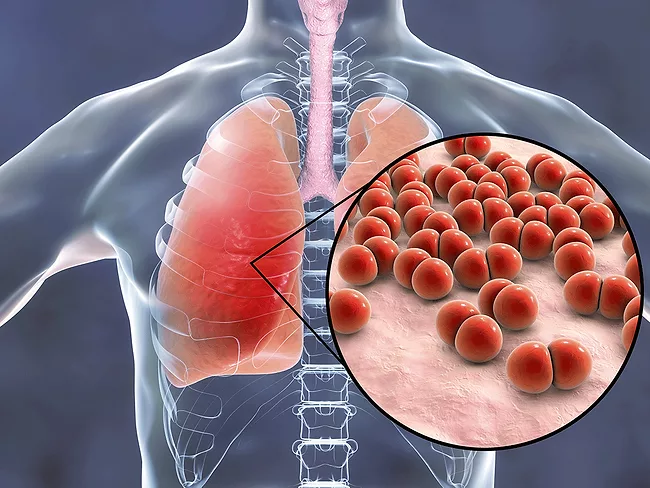
The Innovative Medicines Initiative’s COMBINE (COllaboration for prevention and treatment of MDR Bacterial INfEctions) project is developing a standardized in vivo pneumonia model to test small-molecule antibiotics.
Glox Therapeutics Ltd. has raised £4.3 million (US$5.37 million) in seed funding to develop targeted therapeutics against antibiotic-resistant gram-negative bacteria. The company was founded earlier this year as a spin-out from the Universities of Glasgow and Oxford.
Traditionally developed antibiotics generally act inhibiting essential bacterial enzymes. However, new strategies are urgently needed to discover novel antibiotics against bacterial infections, such as Lyme disease caused by Borrelia burgdorferi. The chaperone high-temperature protein G (HtpG) is a nonessential bacterial protein containing a desirable druggable domain.

 RSS
RSS