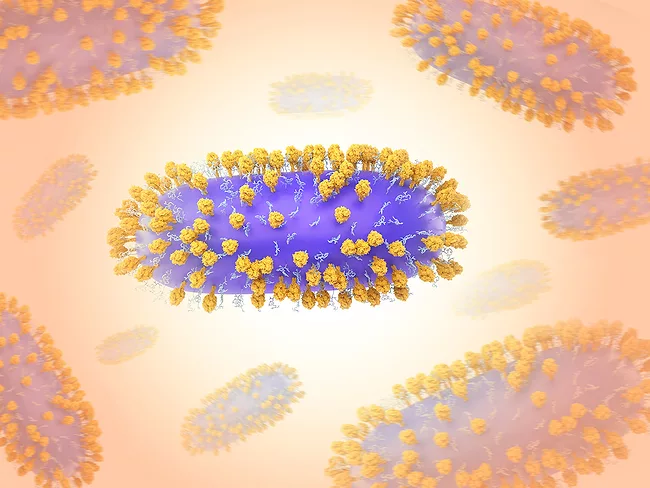
After comparing the response to the two types of vaccines for the respiratory syncytial virus (RSV) based on its fusion protein (F), prefusion (pre-F) versus postfusion (post-F) vaccines, scientists at the National Institutes of Health (NIH) and Astrazeneca plc have demonstrated that targeting the pre-F protein led to better protection. No more bets on RSV immunization based on the post-F protein of the virus. Laboratories can now bet all on red for the pre-F technology.
A multiomic analysis of the HIV reservoir has characterized the phenotypic and epigenetic heterogenicity of the virus-infected memory CD4+ T-cell population in people living with HIV taking antiretroviral therapy (ART-PLWH). This is the step towards an ex vivo single-cell atlas for these cells, which could help to design new strategies to eliminate the reservoir.
Council of Scientific and Industrial Research (India) has synthesized substituted tricyclic heterocyclic compounds acting as β-lactamase IMP-1 (bacterial) and/or New Delhi metallo-β-lactamase-1 (NDM-1) (bacterial) inhibitors reported to be useful for the treatment of bacterial infections.
Asieris Pharmaceuticals Co. Ltd. has divulged 7-nitro-8-hydroxyquinoline derivatives reported to be useful for the treatment of urinary tract infections, and bladder and prostate cancer.
Janssen R&D (Ireland) and Johnson & Johnson (China) Investment Ltd. have disclosed fused heterocyclic derivatives reported to be useful for the treatment of hepatitis B virus (HBV) infections.
Ice, juice, the exact measure of liquor, a few drops of Angostura... What goes into a good New Year’s Eve cocktail? According to researchers working on vaccines for the most elusive viruses, it will be time soon to toast next-generation vaccines. If 2020 was the year of the COVID-19 pandemic, and in 2021 the year of mRNA vaccinations, 2022 brought polyvalent designs of antigens, evaluated highly neutralizing antibodies, and fine-tuned mRNA technology against SARS-CoV-2, HIV and the flu.
The hepatitis C virus (HCV) is so common that it infects approximately 0.7% of the world population to ultimately cause ~300,000 deaths each year. Small molecule-based antivirals can cure most HCV infections, but these are often only used after irreversible liver damage has already occurred, prohibitively expensive, and inaccessible for high-risk populations.
Pardes Biosciences Inc. has patented 3C-like proteinase (3CLpro; Mpro; nsp5) inhibitors (particularly HCoV-229E virus and/or SARS-CoV-2 Mpro inhibitors). They are reported to be potentially useful for the treatment of SARS-CoV-2 infections (COVID-19).
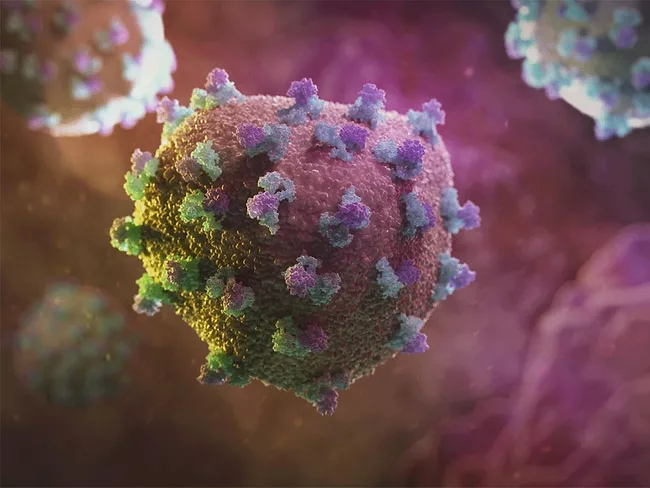
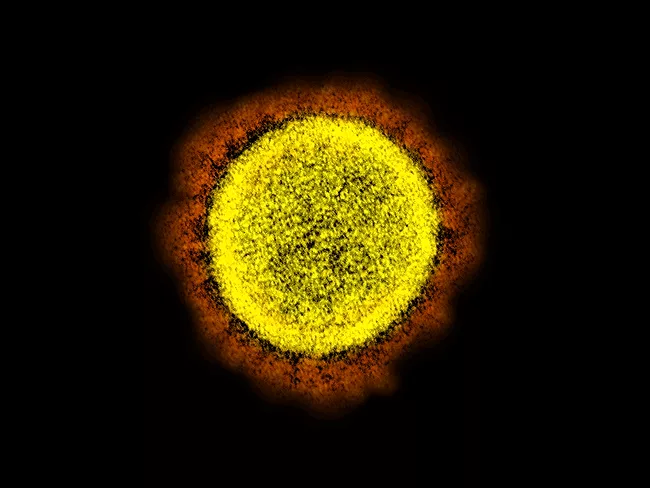
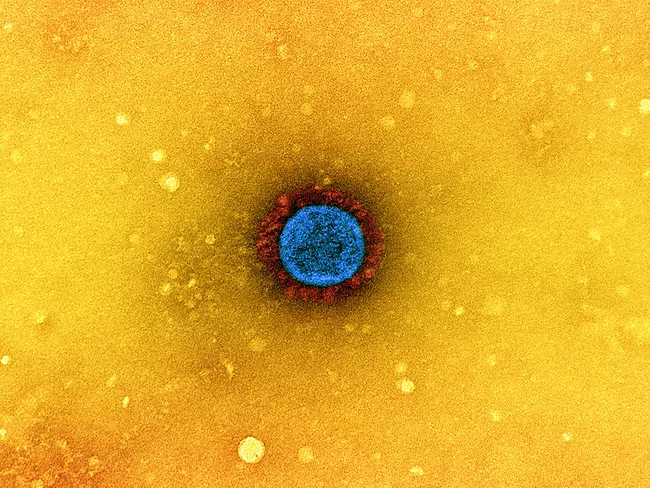
Eleven vaccines have now been approved by the World Health Organization for preventing COVID-19, but all exhibit drastically reduced activities after 6 months. Unlike vaccines that express only the spike protein as the immunogen, live attenuated vaccines have the potential to confer a broader and more durable protection.
 RSS
RSS