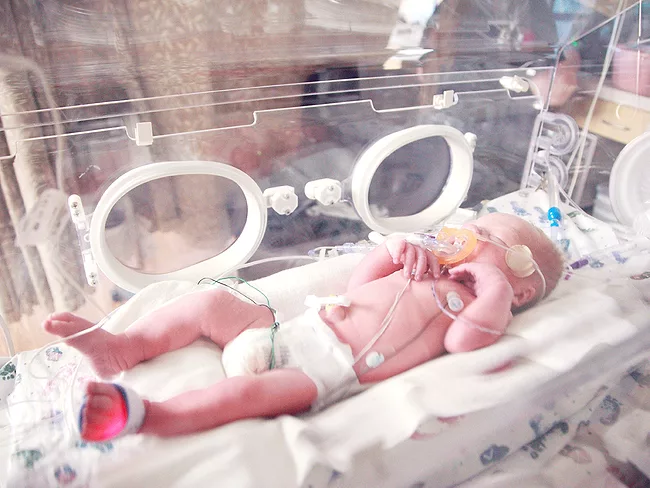
Bronchopulmonary dysplasia (BPD) remains a significant challenge in neonatal care, particularly affecting preterm infants with low birth weight who often require oxygen therapy or mechanical ventilation to survive.
Collaborators in Australia, South Africa, Sweden and the U.K. have linked reduced levels of neuronal cell adhesion molecule (NrCAM) in maternal or placental blood to greater risk of fetal growth restriction
in newborns and of preeclampsia in the mothers, based on analysis of various cohorts of patients from several countries.
Multisystem inflammatory syndrome in children (MIS-C), a serious disorder that develops after SARS-CoV-2 infection, could arise from latent infection of another pathogen, the Epstein-Barr virus (EBV). Researchers at Charité – Universitätsmedizin Berlin and the German Rheumatology Research Center (DRFZ) have linked the inflammatory effect of this co-infection with transforming growth factor β (TGF-β), ruling out the possibility that MIS-C is caused by an autoimmune reaction, or persistence of the coronavirus in the body.
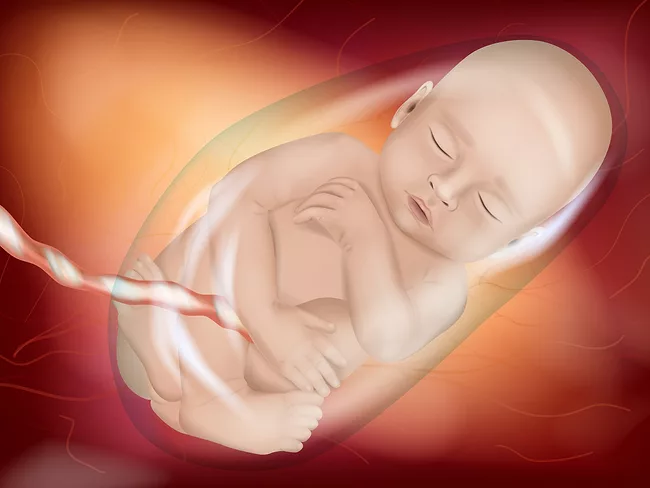
Around the end of every year, the media reports on pregnancy and women who give birth on the last and first days of the new year. They tell their stories, the names of their babies and the cities where they were born. While 2024 was coming to an end, gynecologists and other researchers finalized their publications to improve the health of women and their babies. The formation of the placenta or the study of preeclampsia are some of the first and last stories that greet and say goodbye to 2024. Those of 2025 will be born soon.
Alveogene Ltd. has announced its novel inhaled gene therapy for lethal neonatal surfactant protein B (SP-B) deficiency, AVG-002, has been awarded orphan drug designation by the FDA.
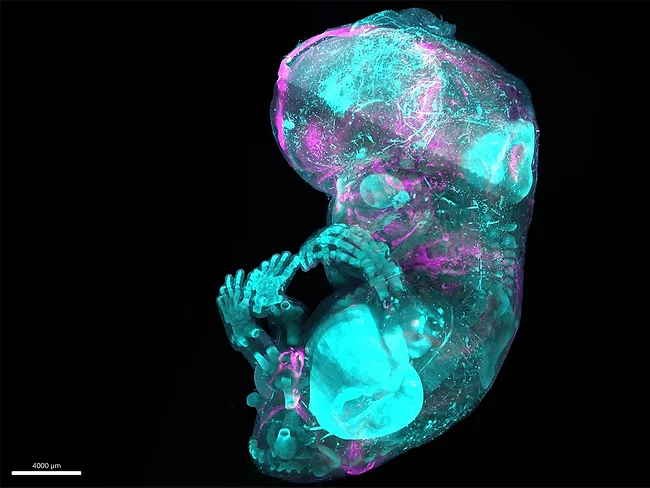
An international consortium of thousands of scientists is creating the Human Cell Atlas, a three-dimensional map of all the cells in the body. The goal is to understand all the cells that make up human tissues, organs and systems, which will enable multiple medical applications. This collection of cell maps is openly available for navigation at single-cell resolution, identified through omics analyses that reveal the tridimensional distribution of each cell.
Researchers from Chiesi Farmaceutici SpA published new clinical data for CHF-6467, a recombinant modified form of human nerve growth factor (NGF), being evaluated for the treatment of neonatal hypoxic-ischemic encephalopathy (HIE).
The map of the human brain is not a static image of the cellular architecture of the central nervous system (CNS). Throughout life, all living beings are born, develop and age. The brain of pregnant mothers reflects a dynamic that modifies this general picture. A collaboration of scientists from the University of California has studied the changes in the adult brain during pregnancy and observed that a large part of it adapts during the development of the fetus.
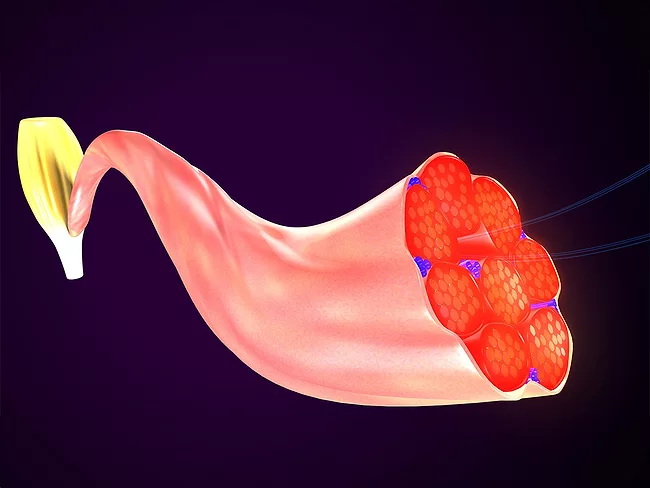
Researchers from Royal Children's Hospital, the University of Melbourne and affiliated organizations published data from a study that aimed to investigate the potential of benfotiamine, which is a lipid soluble precursor to thiamine, for the treatment of inflammation related dystrophic pathology in patients with Duchenne muscular dystrophy (DMD).
 RSS
RSS