It seems unlikely that American poet and civil rights activist Maya Angelou spent much time thinking about translational research. But two quotes of hers capture the essence of the interplay between bench and bedside: “I did then what I knew how to do. Now that I know better, I do better” and “I’ve learned that I still have a lot to learn.” At the 2023 Annual Congress of the European Academy of Neurology, Mary Reilly described the relationship between bench and bedside as “a continuous circle of translation,” with each cycle beginning with patients and their needs.
Although advances in chemotherapy have dramatically improved outcomes for children with leukemia, patients with high-risk and aggressive cancers require intense drug regimens that push safety limits. Researchers have formulated an antibody guidance system in mice that could empower chemotherapy against childhood leukemias while minimizing drug toxicity.
Researchers in Australia have developed new cancer cell line models for pediatric cancers with the lowest survival rates, with a focus on high-risk central nervous system tumors such as glioblastoma.
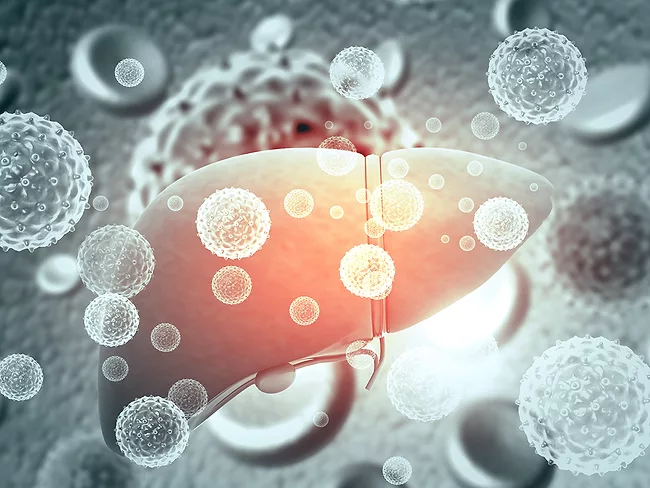
Three papers accelerated through publication and appearing in Nature March 30, 2023, have linked an unexplained rise in cases of acute hepatitis in children to adeno-associated virus 2 (AAV2), and pointed to a possible immune-mediated trigger in patients who have a genetic predisposition.
Researchers from the University of Utah applied RNASeq analysis for an undiagnosed case of a critically ill newborn with a complex phenotype, with the aim of providing better diagnosis and improving treatment outcomes.
Nuclear body protein SP140 is mainly expressed on immune cells such as B and T cells, monocytes or dendritic cells and they are activated by interferon and regulated upon cellular stress, such as during viral infections.
Medulloblastomas (MBs) are the most common malignant brain tumors in pediatric patients. Among the different types of MBs, those driven by MYC amplification present the worst prognosis. In a recent study published in Nature Communications, scientists from Cincinnati Children's Hospital Medical Center and collaborators investigated the molecular and genetic events triggering MYC amplification and malignant transformation in MBs, which remained previously unclear.
Over half of the children with high-risk neuroblastoma experience late relapses caused by minimal residual disease. Since chimeric antigen receptor (CAR) T-cell therapy has shown efficacy against minimal residual disease in pediatric patients with hematologic malignancies, several CAR T-cell therapies are being investigated for neuroblastoma.
While most preclinical research on pediatric cancer is carried out using adult mouse models, there are significant biological differences between children and adults, including age-related differences in the immune system, metabolism and growth factor signaling. In the current study, investigators from the University of Western Australia and Telethon Kids Institute developed a new mouse model of pediatric medulloblastoma, which is the most common childhood brain cancer.
 RSS
RSS