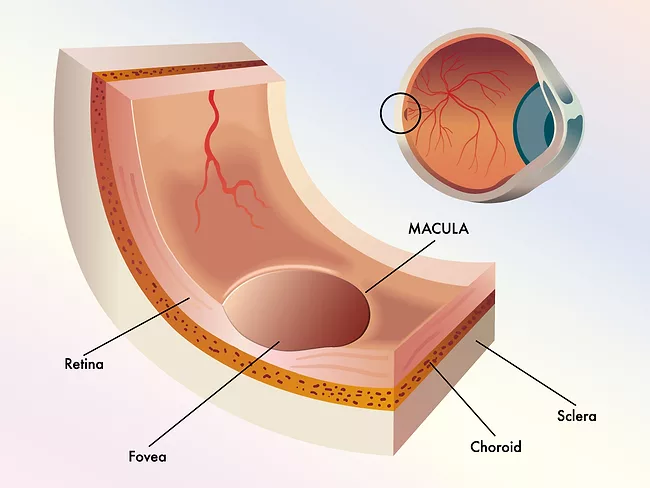
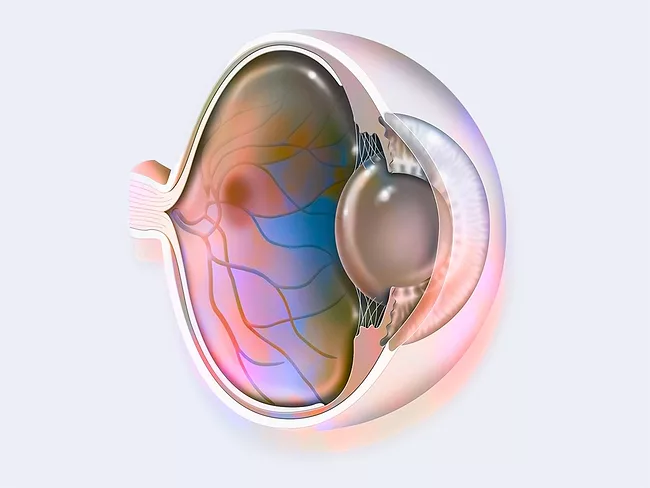
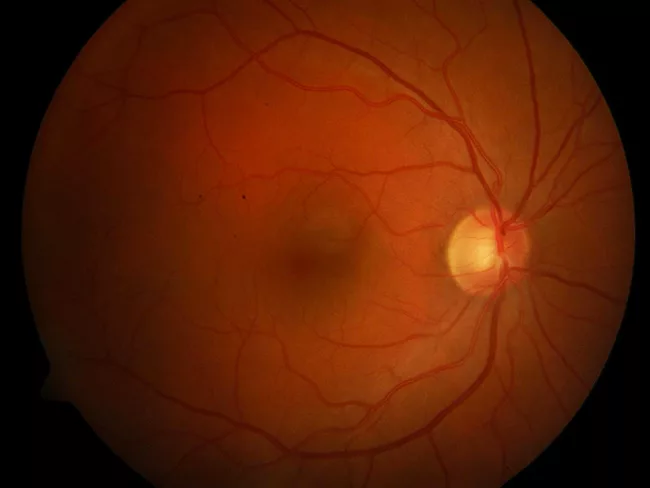
Revopsis Therapeutics Inc. has closed its first seed funding round, raising $16.5 million that will fund the completion of ongoing IND-enabling studies with its lead candidate, RO-104, for the treatment of neovascular age-related macular degeneration (nAMD). Developed using the company’s proprietary Rev-Mod platform, RO-104 is a potentially first-in-class fully human modular trispecific biologic.
Saliogen Therapeutics Inc. has nominated a development candidate, SGT-1001, for the treatment of Stargardt disease. SGT-1001 is being developed as a one-time, nonviral therapy to slow or stop the progressive loss of central vision in people with Stargardt disease, regardless of the type of mutation.
Inmed Pharmaceuticals Inc. has released new preclinical data on INM-089 further demonstrating promising pharmacological effects targeting dry age-related macular degeneration (AMD). INM-089 is a proprietary small-molecule compound acting as a preferential signaling ligand of cannabinoid CB1 and CB2 receptors.
On the heels of a $4.6 million series A round in December 2023, cell therapy company Rxcell Inc. is planning to raise another $15 million in 2024 to take its iPSC-derived photoreceptors to the clinic for retinitis pigmentosa and other degenerative diseases of the retina.
Researchers from Universita degli Studi di Firenze (University of Florence) and Istituto di Bioscienze e Biorisorse (IBBR) published the discovery of new carbonic anhydrase (CA) inhibitors to be developed as antiglaucoma agents.
Pulsesight Therapeutics SAS has launched with seed financing, with the aim of developing disruptive non-viral gene therapies with minimally invasive delivery technology.
Rezolute Inc. has patented new plasma kallikrein (KLKB1) inhibitors reported to be useful for the treatment of diabetic macular edema, diabetic retinopathy and uveitis.
At the recent Macula Society Meeting, researchers from the Molecular Insight Research Foundation reported on the creation of a novel murine model of North Carolina macular dystrophy.
Investigators from Tanta University and affiliated organizations have reported the discovery and preclinical characterization of novel carbonic anhydrase (CA) isoform II inhibitors as potential antiglaucoma agents.

 RSS
RSS