The U.S. Agency for Healthcare Research and Quality posted a request for information on the current state of multi-cancer screening tests for a review that poses several questions.
The U.S. FDA accepted Telix Pharmaceuticals Ltd.’s new drug application for TLX-007-CDx, a new cold kit for preparing prostate-specific membrane antigen-PET imaging for prostate cancer.
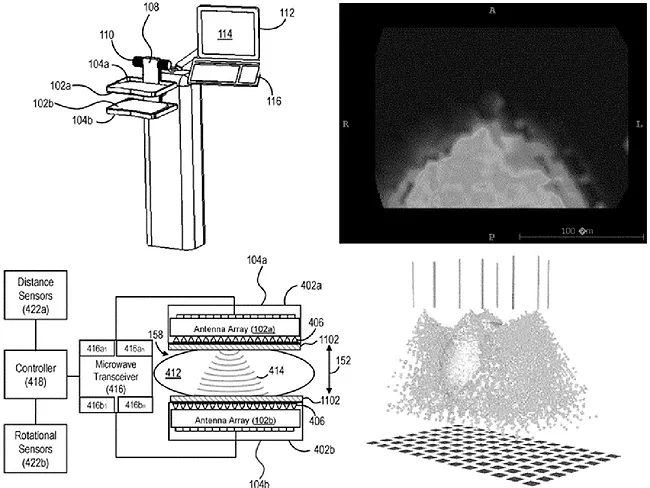
The first patenting to be published in the name of Wave View Imaging Inc. sees its co-founders file for additional protection of their imaging technology which can be used to monitor breast cancer treatment.
The U.S. FDA accepted Telix Pharmaceuticals Ltd.’s new drug application for TLX-007-CDx, a new cold kit for preparing prostate-specific membrane antigen-PET imaging for prostate cancer.
Paige AI Inc.’s partnership with Microsoft Corp., announced last September, appears to have paid off quickly, with a study published in Nature Medicine demonstrating that their jointly developed image-based artificial intelligence model, Virchow, detects 16 cancer types as well or better than tissue-specific clinical-grade models.
Spotlight Medical SAS recently raised €6.2 million (US$6.7 million) in seed funding to bring its first artificial intelligence-powered cancer test to the market as it looks to transform treatment of the disease. “We believe our personalized testing approach will revolutionize cancer treatment, providing everyone with the best possible chance to beat cancer,” Sylvain Berlemont, CEO of Spotlight told BioWorld.
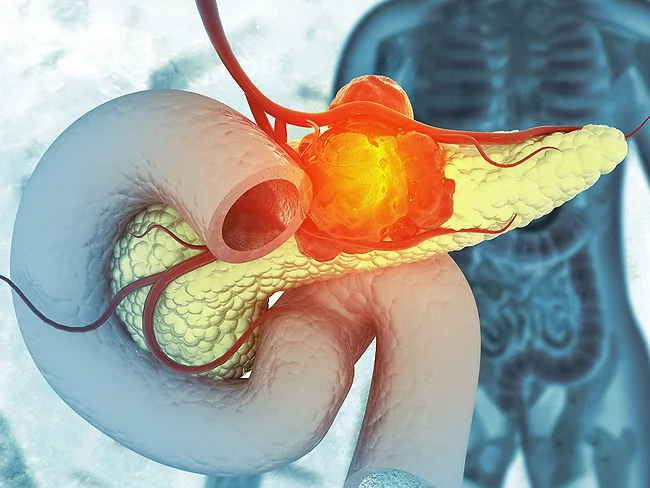
Exthera Medical Corp.’s Oncobind procedure hemoperfusion filter reduced circulating tumor cells in blood samples of patients with pancreatic cancer in a study published in Nature’s BJC Reports. "Researchers observed on average a 94% reduction in circulating tumor cells with a single use of our technology,” Exthera CEO Eric Borger said.
Beyond its success in migraine and attention deficit hyperactivity disorder, Nu Eyne Co. Ltd. is advancing a portfolio of noninvasive, wearable trigeminal nerve stimulation devices across key three areas of neuromodulation, tissue regeneration and proliferation inhibition.
Guardant Health Inc.agreed to pay more than $900,000 to settle allegations that the company’s human resources office hired a relative and a friend of a physician who persuaded the company to make the hires in a quid pro quo for orders of Guardant’s tests. The U.S. Department of Justice said the penalties could have been much greater but for the company’s cooperation in the investigation, which disclosed that at least one of these hires was not qualified for the position.
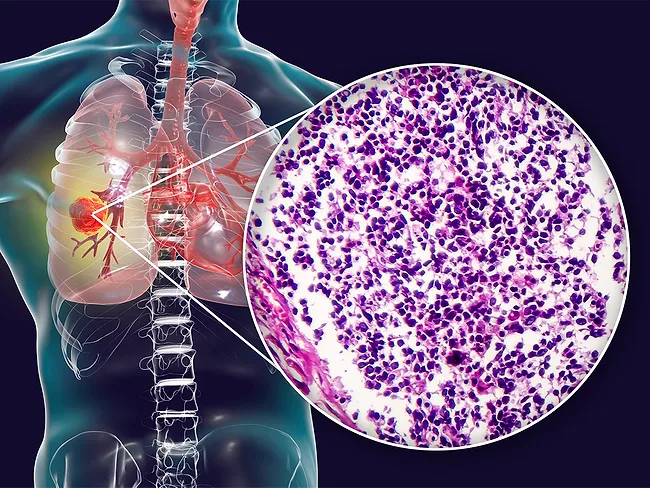
Lunglife AI Inc. is looking for a strategic partner to help get Lunglb — its non-invasive test for the early detection of lung cancer — into the market and to the patients who need it. The company’s artificial intelligence-supported blood-based test, which identifies indeterminate lung nodules, will be game changing for early lung cancer diagnosis, Paul Pagano, Lunglife CEO, told BioWorld.
 RSS
RSS