Facioscapulohumeral muscular dystrophy (FSHD) is an autosomal dominant skeletal muscle disorder with a prevalence of approximately 1 in 8,000. The disorder is driven by aberrant expression of double homeodomain protein 4 (DUX4) within the D4Z4 macrosatellite array. Currently, effective treatments for FSHD are lacking. Strategies aimed at reducing DUX4 expression could hold promise as potential therapeutic approaches for FSHD.
Mainly expressed in the liver, microRNA‑122‑5p (miR‑122) exhibits increased circulating levels in the context of obesity. When elevated in the bloodstream, miR-122 can act on extrahepatic tissues, including vascular endothelial cells, where it contributes to endothelial dysfunction and may promote the development of diabetic vascular complications.
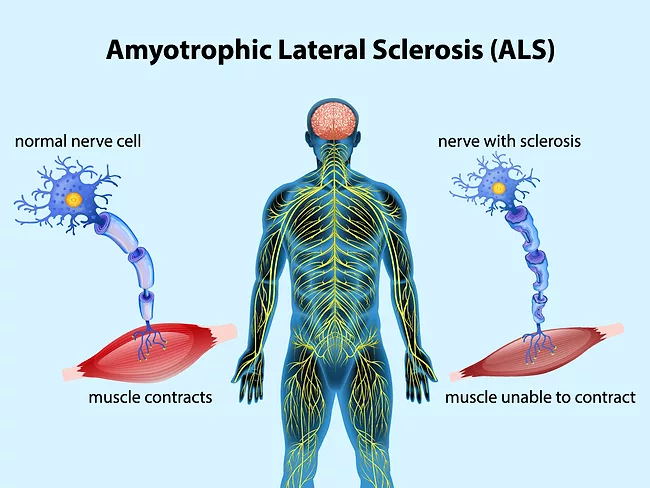
Aperture Therapeutics Inc. has advanced its matrix metalloproteinase-9 (MMP-9) antisense oligonucleotide (ASO) program, APRTX-003, for the treatment of amyotrophic lateral sclerosis (ALS). This first-in-class RNA-targeting approach program targets chronic neuroinflammation and neurodegeneration.
Alagille syndrome (ALGS) is a rare, multisystem genetic disorder most commonly caused by haploinsufficiency of the JAG1 gene, leading to reduced JAG1 protein function and impaired development of intrahepatic bile ducts. Researchers from Arnatar Therapeutics Inc. described the development of antisense oligonucleotides (ASOs) engineered using their proprietary ACT‑UP1 platform to upregulate endogenous JAG1 expression and thereby address the underlying genetic deficiency.
Scineuro Pharmaceuticals Holdings Ltd. has received a $5 million research grant from The Michael J. Fox Foundation for Parkinson’s Research (MJFF) to accelerate the preclinical development of the company’s novel LRRK2-targeted antisense oligonucleotide (ASO) program, SNP-614, for Parkinson’s disease.
Aperture Therapeutics Inc. has nominated APRTX-001 as a development candidate, with the program now advancing through IND-enabling studies. APRTX-001 is a CD33-targeting antisense oligonucleotide (ASO) designed for the treatment of frontotemporal dementia and amyotrophic lateral sclerosis, with potential for indication expansion into Alzheimer’s disease.
Cystic fibrosis (CF) is a genetic disorder affecting around 90,000 people worldwide. It is commonly caused by the ΔF508 mutation in the cystic fibrosis transmembrane conductance regulator (CFTR) gene, which results in a misfolded CFTR protein that is subsequently ubiquitinated and degraded.
Aniridia-associated keratopathy (AAK) is a rare genetic eye condition caused by PAX6 haploinsufficiency, which leads to chronic inflammation, neovascularization and vision loss. Currently, there are limited therapeutic options for the treatment of AAK, which has been linked to limbal stem cell deficiency.
Hearing loss is a major global health challenge, affecting over 5% of the population and largely lacking effective biological therapies. Mutations in KCNQ4, which encodes the Kv7.4 potassium channel essential for outer hair cell function, are a leading cause of autosomal dominant, non-syndromic hearing loss (DFNA2).
 RSS
RSS