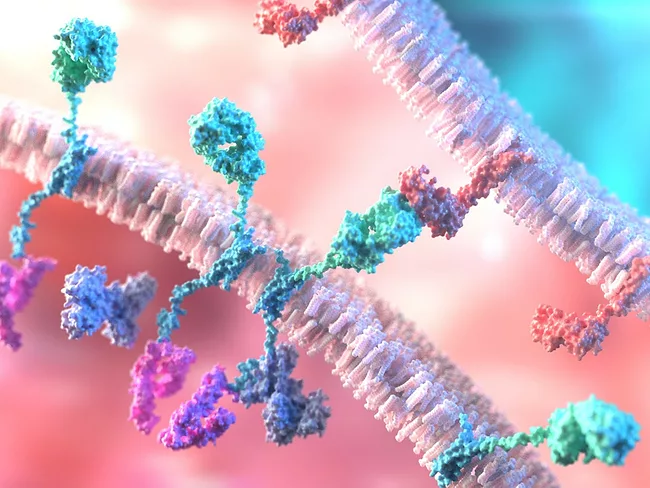
Myrio Therapeutics Pty Ltd. has been able to accomplish something no other company has yet been able to crack: to develop binders where both the affinity and the specificity can be increased.
San Francisco Bay Area researchers from UC Berkeley, UC San Francisco and Stanford University have combined their technologies to create Azalea Therapeutics Inc., a company focused on editing cells in vivo.
At the 11th Congress of the European Academy of Neurology, which was held in Helsinki June 21 to June 24, researchers presented new data on using CAR T cells in autoimmune neurological conditions.
Newco Avidicure NV arrived on the scene with a hefty $50 million in seed funding to advance novel antibody formats the company says will surpass the best qualities of first-generation antibodies, checkpoint inhibitors, T-cell engagers and antibody-drug conjugates.
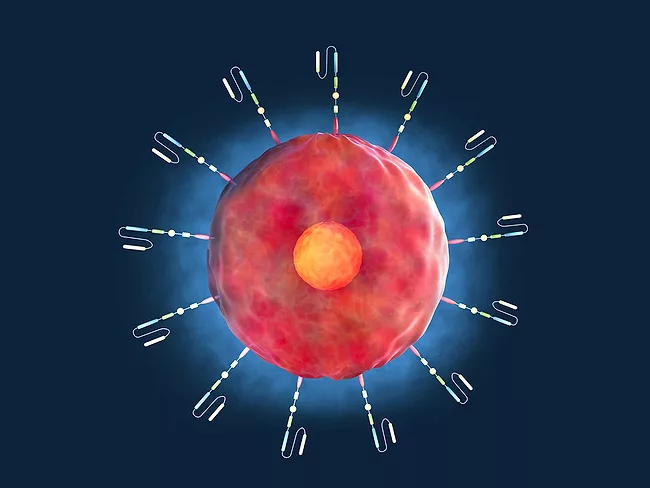
Kyverna Therapeutics Inc. has presented details on the development and preclinical characterization of KYV-102, an autologous fully human anti-CD19 CAR T-cell therapy developed for diseases driven by B cells, such as systemic lupus erythematosus (SLE), among others.
To address limitations with CAR T therapies targeting CD19, Allogene Therapeutics Inc. has developed ALLO-329, a CD19/CD70-targeting CAR therapy that is able to deplete activated alloreactive lymphocytes, while endowing dual targeting of CD19+ B cells and CD70+ T cells.
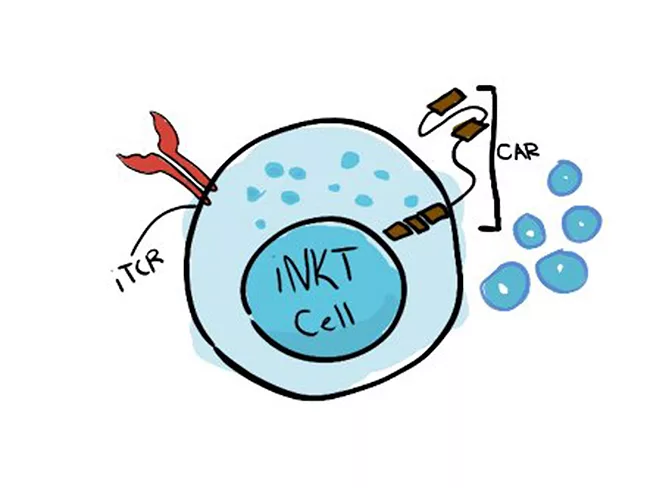
Arovella Therapeutics Ltd. is heading toward the clinic with its lead product, ALA-101, which consists of a chimeric antigen receptor (CAR) targeting CD19 and invariant natural killer T (iNKT) cells.
Immunotherapy company Cartherics Pty Ltd. raised AU$15 million (US$10.3 million) in an oversubscribed series B round that will support the first clinical trial for lead chimeric antigen receptor natural killer therapy CTH-401 for ovarian cancer, and to expand its pipeline to include other diseases. Cartherics CEO Alan Trounson told BioWorld that the funds raised will take Cartherics through to mid-2026, and the phase I Australian trial in ovarian cancer will begin in the fourth quarter of 2025.
Acepodia Inc.’s antibody cell conjugation platform could change the way CAR T-cell therapies are manufactured, clearing the way for an off-the-shelf model to treat numerous cancers that is safer and cheaper than current CAR Ts, Acepodia CEO Sonny Hsiao told BioWorld.
Immunesensor Therapeutics Inc. has presented preclinical data on the stimulator of interferon genes (STING) agonist IMSA-101 which is designed to modify the tumor microenvironment in solid tumors and thus improve the trafficking and infiltration of CAR T-cell therapy into the tumor.

 RSS
RSS