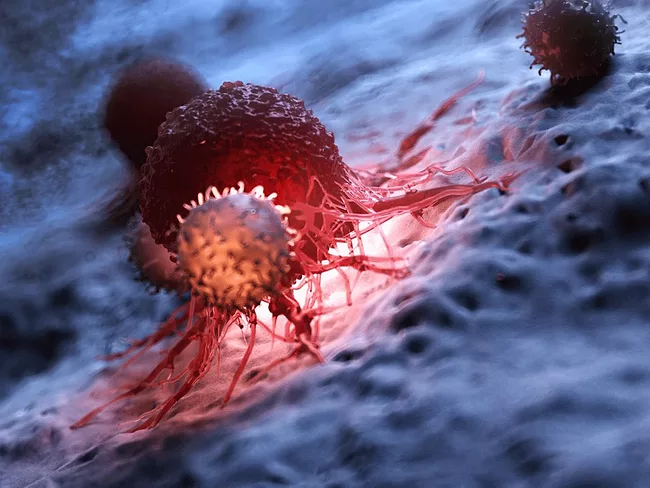
Ernexa Therapeutics Inc. is advancing its lead program, ERNA-101, toward an IND submission in the third quarter of this year and the initiation of a first-in-human trial in the fourth quarter for the treatment of platinum-resistant ovarian cancer.
Excalipoint Therapeutics Inc. launched with an oversubscribed $68.7 million seed financing round to advance a portfolio of T-cell engagers for solid tumors, marking one of the largest early stage financings in China biotech history.
Shanghai Unixell Biotechnology Co. Ltd. has obtained IND clearance from the FDA for UX-GIP001, its iPSC-derived allogeneic cell therapy for focal epilepsy. A phase I study will evaluate UX-GIP001 in patients with drug-resistant epilepsy.
C-Further, an international consortium supporting new therapeutics for pediatric cancers, has unveiled the first early-stage therapeutic programs in its pipeline. The company said it is advancing CF-012 and CF-033 through its collaborative model.
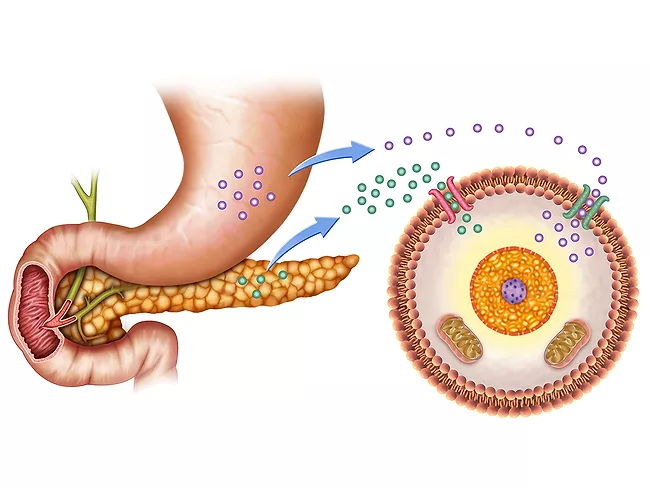
Newcelx Ltd. has entered into a collaborative research agreement with Eledon Pharmaceuticals Inc. with the aim of advancing its lead program, NCEL-101, for type 1 diabetes.
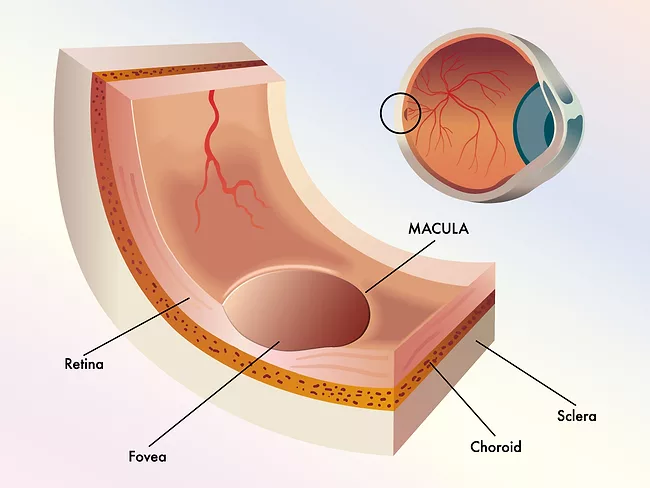
Sanaregen Vision Therapeutics Inc. has received FDA clearance to conduct a phase I/II trial of SVT-001, an investigational cell therapy for individuals with familial drusen.
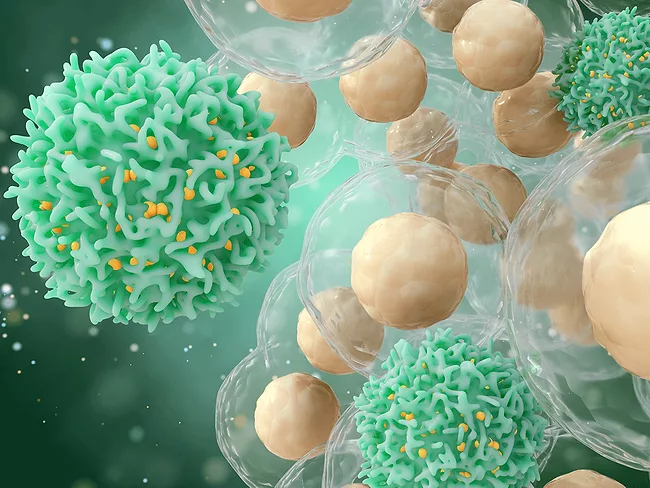
CAR T cells have been groundbreaking for the treatment of B-cell cancers. But 8 years after Kymriah (tisagenlecleucel, Novartis AG) became the first CAR T-cell therapy to be approved, there are no CAR Ts approved for solid tumors.
Zelluna ASA has received approvals from the U.K.’s Medicines and Healthcare products Regulatory Agency (MHRA) and research ethics committee for its clinical trial application (CTA) for ZI-MA4-1, Zelluna’s lead T-cell receptor-based natural killer (TCR-NK) product candidate.
Gelmedix Inc. has completed a $13 million seed financing to support progression of the company’s lead program, GMX-101, a retinal pigment epithelial (RPE) cell therapy to treat late-stage geographic atrophy.
Researchers have explored the effects of human umbilical cord mesenchymal stem cells (hUC-MSCs) on cognitive recovery in anti-N-methyl-D-aspartate receptor (NMDAR) encephalitis, a rare, neuronal antibody-mediated disorder characterized by neuropsychiatric symptoms and impaired cognitive function. hUC-MSCs have previously shown immunomodulatory and anti-inflammatory properties.

 RSS
RSS