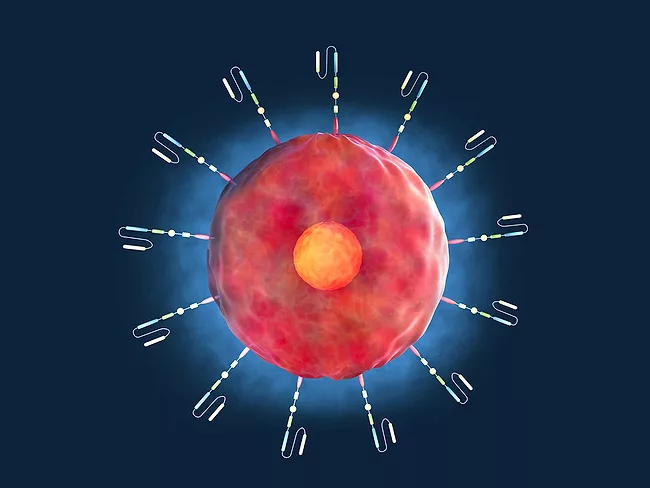
The transition from complex and costly ex vivo strategies to platforms that enable direct cellular intervention within the body, known as in vivo therapies, is marking a paradigm change in the field of gene and cell therapies by simplifying manufacturing, improving tissue targeting and expanding clinical access to treatments.
As the many challenges facing cell therapies are being addressed, the CAR T field continues to evolve beyond its original design of T cells engineered to target hematological malignancies. During the 32nd Annual Congress of the European Society of Gene and Cell Therapy (ESGCT), held in Seville Oct. 7-10, several studies showed how this technology is being redefined as programmable and adaptable immune cells with expanded functional versatility.
Two independent studies applied CRISPR-based genetic editing – one to treat leukemia and the other to target myeloma – to overcome the challenges faced by CAR T cells, such as exhaustion, impaired activation and fratricide, a phenomenon in which they attack each other.
Renal cell carcinoma accounts for approximately 90% of kidney cancers, and current treatments fail to prevent metastasis in up to 40% of patients. Potentially effective is immunotherapy based on CAR T cells that recognize CD70, which is little expressed in normal tissues but is expressed in more than 80% of renal cell carcinomas. However, such CAR T immunotherapy has so far not shown overwhelming success against renal cell carcinoma, and the therapeutic cells must be derived for each patient individually.
Invasive fungal infections pose a significant global health challenge due to their severity and the scarcity of effective and safe treatment options. Unlike antibacterial drug development, creating new antifungals is especially challenging because fungal and human cells share a eukaryotic structure, highlighting the need for innovative treatment strategies.
Mutations in the F9 gene cause factor IX (FIX) deficiency, leading to severe bleeding in people with hemophilia B. Current therapies rely on frequent FIX infusions or newer agents that rebalance coagulation, but both approaches still require weekly to bimonthly dosing and often fail to entirely prevent breakthrough bleeding events, which remain common in patients. Therefore, new therapeutic strategies providing a predictable, durable, active and redosable source of FIX are urgently needed.
HCW Biologics Inc. has developed second-generation, tissue factor-targeting T-cell engagers (TCEs) to treat solid tumors, particularly pancreatic cancer and glioblastoma, constructed with its novel proprietary TRBC product discovery and development platform technology.
Tidewave Bio has completed an FDA Interact meeting that provided regulatory feedback as the company advances its lead program, TBC-1, toward IND-enabling studies. The company is developing a universal, off-the-shelf immunotherapy platform that is converted into a patient-specific precision medicine in real time using a tumor biopsy.
Lineage Cell Therapeutics Inc. has entered into a research collaboration with William Demant Invest A/S to develop Lineage’s auditory neuronal cell transplant Resonance (ANP-1) for hearing loss.
Despite the success of traditional viral-based CAR T-cell therapies against several blood malignancies, their efficacy remains limited against solid tumors. Non-viral engineering of CAR T cells using electroporation or lipid nanoparticle delivery of CAR-encoding mRNA achieves high but transient CAR expression, highlighting the limitations of current preclinical models for evaluating mRNA-based CAR T cells.

 RSS
RSS