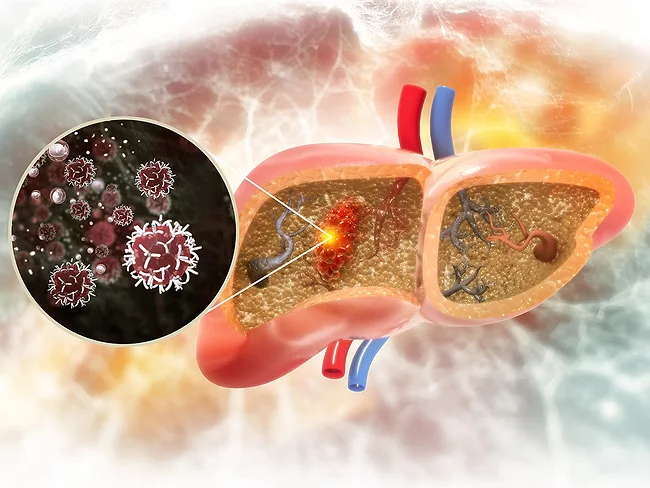
Researchers from Astrazeneca plc presented the discovery and preclinical characterization of AZD-9793, a novel CD8-guided T-cell engager (TCE) being developed for the treatment of hepatocellular carcinoma (HCC).
Hemogenyx Pharmaceuticals plc has obtained approval by the institutional review board (IRB) of the company’s first clinical site to initiate a phase I trial of the company’s lead asset, HEMO-CAR-T, for the treatment of relapsed or refractory acute myeloid leukemia (AML) in adults.
Researchers from Caedo Oncology AS presented the discovery and preclinical characterization of CO-005, a novel anti-CD47 fusion protein being developed for the treatment of lymphoma.
Adcendo ApS has closed an oversubscribed $135 million series B financing round to support its development of first-in-class antibody-drug conjugates (ADCs) for the treatment of cancers with a high unmet medical need.
Bright Biologics LLC reported the discovery and preclinical evaluation of BB-203, an anti-PD-L1/anti-VEGF bispecific antibody (Ab) being developed for the treatment of cancer.
A team from Nanjing Leads Biolabs Co. Ltd. presented the discovery and preclinical characterization of LBL-042, a novel bispecific antibody designed to simultaneously target PD-1 and LILRB1/2, with the aim of improving immune evasion of tumor microenvironment and potentially overcoming resistance to immuno-oncology therapy.
Hepatocellular carcinoma (HCC) is the most common type of liver cancer, with a 5-year survival rate of 18%. Glypican-3 (GPC3) is a protein with high expression in HCC but not in healthy tissue, making it an interesting target for therapy.
Researchers from Naya Biosciences Inc. and collaborators presented preclinical data on NY-303, a natural killer (NK) cell engager bispecific antibody targeting both GPC3 and NKp46. NKp46 is a cell surface receptor involved in NK cell activation and the elimination of target cancer cells.
Siren Biotechnology Inc. has unveiled its lead asset, SRN-101, for the treatment of high-grade gliomas. The FDA has granted orphan drug and rare pediatric disease designations to SRN-101 for high-grade gliomas and pediatric-type diffuse high-grade gliomas, respectively.
 RSS
RSS