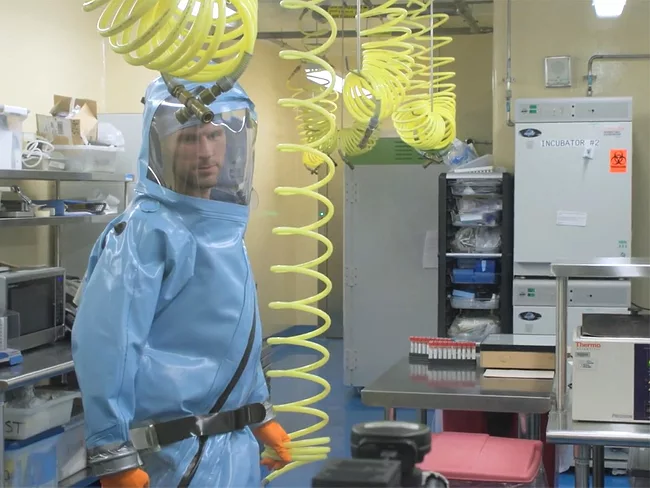
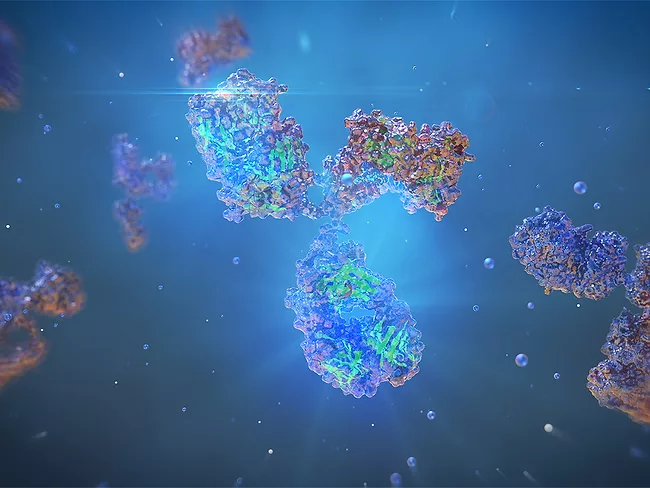
The administration of a cross-reactive monoclonal antibody (MAb) protected hamsters and African green monkeys (AGM) several days after Nipah virus (NiV) infection.
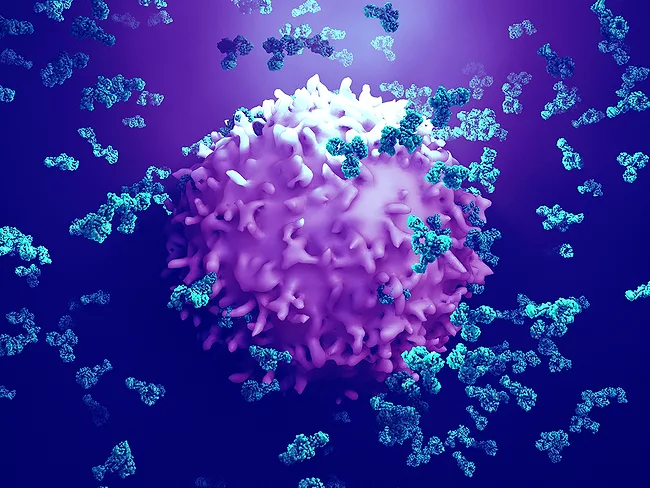
The FDA has cleared Oncoc4 Inc.’s IND application for ONC-841, a potential first-in-class Siglec-10-blocking antibody for the treatment of solid tumors.
Samsung Bioepis Co. Ltd. and Celltrion Inc. are making headway in Europe and U.S. with respective follow-on biologic products, with Samsung Bioepis the latest to gain EMA approval for Pyzchiva, a Stelara (ustekinumab, Janssen Pharmaceuticals Inc.) biosimilar, on April 23.
An oral Bruton’s tyrosine kinase (BTK) inhibitor that Sanofi SA acquired in 2020 through its $3.68 billion buyout of Principia Biopharma Inc. is headed toward regulatory filings in the U.S and EU by the end of the year, following phase III data in immune thrombocytopenia.
The leukocyte immunoglobulin-like receptor B2 (LILRB2), also known as ILT4, is an immunoreceptor tyrosine-based inhibitory motif (ITIM)-containing receptor that is widely expressed on immunosuppressive myeloid cells in the tumor microenvironment.
Spikimm SAS has signed an exclusive collaboration and license option agreement with SATT Conectus Alsace SAS for monoclonal antibodies targeting the BK virus. Reactivation of the BK virus (BKV) in patients receiving kidney transplant, bone marrow or stem cell grafts has potential serious consequences.
Essential Pharma Ltd. is paying up to £70 million (US$88.7 million) to acquire Renaissance Pharma Ltd., taking ownership of Hu14.18, a treatment for high-risk neuroblastoma. The antibody has completed a 64-patient phase II trial conducted by St Jude’s Children’s Research Hospital, in which it showed an improvement in overall survival of around 50% compared to currently available therapies.
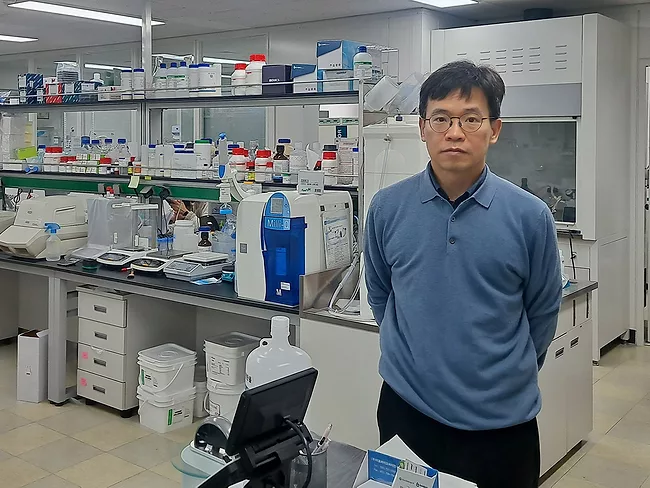
Alzheimer’s disease (AD) is recognized worldwide for its debilitating symptoms of declining cognitive function and gradual memory loss. What remains less clear is exactly what causes the neurodegenerative disease, and how to treat it. “Alzheimer’s disease is characterized by two key pathologies – beta-amyloid plaques and tau neurofibrillary tangles.” Seung-Yong Yoon, CEO of Adel Inc., told BioWorld. “Adel is looking to develop a tau-targeting drug, considering tau has been more correlated with AD symptom progression, and the industry’s need for tau pipelines.”
Japan’s Ministry of Health, Labor and Welfare approved Astellas Pharma Inc.’s Vyloy (zolbetuximab) to treat a type of advanced gastric cancer on March 26, making it the first anti-claudin 18.2 monoclonal antibody to gain regulatory clearance worldwide.
Xilio Therapeutics Inc. retreated with its lead oncology IL-2 drug, XTX-202, after phase II data indicated stable disease was the best response, prompting the company to reprioritize its pipeline and cut its workforce by 21% – but investors focused more on a $647.5 million IL-12 program deal the company signed with Gilead Sciences Inc., as well as an $11.3 million private placement financing.
 RSS
RSS