Proteinqure Inc. has received regulatory clearances from the U.FDA and Health Canada to initiate a phase I trial of lead candidate, PQ-203. The trial will begin in Canada and expand to U.S. sites later in 2025. The FDA also granted PQ-203 fast track designation for triple-negative breast cancer (TNBC).
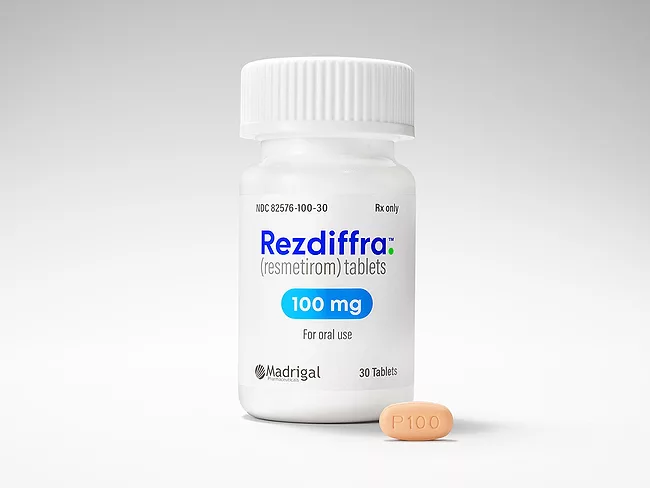
Madrigal Pharmaceuticals Inc.’s long-awaited business development pact became reality by way of an exclusive global license agreement that could be worth more than $2 billion with CSPC Pharmaceutical Group Ltd., of Shijiazhuang, China, for SYH-2086. The candidate is a preclinical oral, small-molecule glucagon-like peptide-1 (GLP-1) receptor agonist and orforglipron derivative.
Single agonists of the glucagon-like peptide-1 receptor (GLP-1R) have been a success in the treatment of obesity, but monomeric dual or triple agonists have demonstrated improved efficacy on energy intake, appetite or metabolic function.
Oxyntomodulin (OXM) is a peptide hormone released by intestinal L cells after food intake. It acts as a dual agonist of glucagon-like peptide 1 (GLP-1) and glucagon receptors, regulating appetite, energy expenditure and glucose metabolism. However, its short plasma half-life limits its therapeutic potential.
Unnatural Products Inc. notched another collaboration by signing on with Argenx SE in a multitarget research collaboration. Unnatural Products, which is getting up-front, near-term payments and R&D funding, could end up with about $1.5 billion in milestones and options payments plus tiered royalties on net sales.
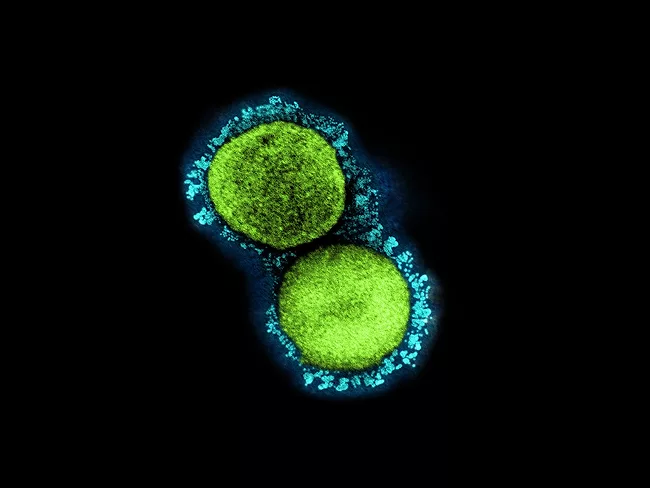
Researchers from the Institute for Basic Science of Korea and collaborating institutions have designed a new class of peptide-based inhibitors targeting a crucial interface within the SARS-CoV-2 replication complex, offering a potential new avenue for antiviral therapy.
A peptide with a dual mechanism of action – it dissolves the bacterial membrane and activates the immune system – could be an effective weapon against microorganisms that have evolved ways to evade antibiotics, as superbugs do. Scientists at the University of Pennsylvania (UPenn) have designed stable synthetic peptides that activate mast cell receptors, which are cells involved in the innate and adaptive immune response. This dual approach eliminates bacteria and recruits neutrophils to finish the job.
Abnormal aggregation of α-synuclein is thought to contribute to the pathology of Parkinson’s disease, the second most frequent neurodegenerative disorder. Therefore, developing drugs that prevent such aggregation could be effective for slowing or even preventing the disease.
Oral peptide delivery specialist Cyprumed GmbH is about to find out if the high bioavailability of its tablet formulations seen in animal models will translate across to humans, after signing a $493 million license and option agreement with Merck & Co. Inc.
 RSS
RSS