If one could sweep the brain clean and send the toxic substances that drive neurodegeneration to the recycling bin, perhaps one could treat Alzheimer’s disease (AD). Researchers at the Chinese Academy of Sciences propose a new therapeutic strategy that uses synthetic peptides that bind to amyloid-β (Aβ) and direct it toward lysosomes. In addition, researchers at the Washington University School of Medicine in St. Louis have genetically modified astrocytes in vivo to express chimeric antigen receptors (CARs) that recognize and phagocytose Aβ plaques.
Targeting the interaction between the C-terminal domain of the GluA2 subunit of AMPAR and brefeldin-resistant Arf-GEF 2 (BRAG2), a guanine nucleotide exchange factor for the small GTPase Arf6, presents a potential therapeutic approach for acute ischemic stroke.
Animate Biosciences Inc.’s lead therapeutic peptide MBb32 produced a significant reduction in cardiac scar tissue and subsequent recovery of heart function in a mouse model of severe myocardial injury.
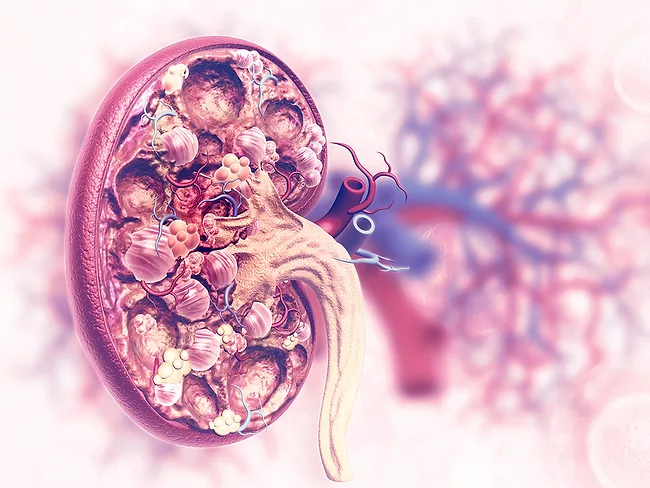
Renal fibrosis originates from diverse etiologies, including diabetes, hypertension, glomerulonephritis and prolonged obstruction, which lead to persistent inflammation and altered repair processes that drive fibrogenesis. M2 macrophages, especially those expressing the macrophage mannose receptor (CD206), play a crucial role in driving fibrogenesis.
Advancell Pty Ltd. has entered into a collaboration and exclusive licensing agreement with 48Hour Discovery Inc. to develop a novel peptide-based lead-212 (212Pb) radiotherapeutic with an initial focus on a gastrointestinal cancer with significant medical need.
Mainly expressed in the liver, microRNA‑122‑5p (miR‑122) exhibits increased circulating levels in the context of obesity. When elevated in the bloodstream, miR-122 can act on extrahepatic tissues, including vascular endothelial cells, where it contributes to endothelial dysfunction and may promote the development of diabetic vascular complications.
Animate Biosciences Inc. has released promising preclinical results from a mouse model of pulmonary fibrosis demonstrating that two of its AI-designed therapeutic peptides significantly reduced lung fibrosis and inflammation.
Amylyx Pharmaceuticals Inc. has nominated AMX-0318, a long-acting glucagon-like peptide-1 (GLP-1) receptor antagonist, as a development candidate for post-bariatric hypoglycemia and other rare diseases.
Kallyope Inc. has outlined plans to initiate phase I studies this year with K-554, a non-incretin peptide candidate offering a new mechanism of action in obesity.
Multiple sclerosis (MS) is a chronic immune-mediated disease characterized by the destruction of myelin sheaths, neuroaxonal damage, glial cell activation and formation of demyelinated plaques in the CNS. Since MS is considered a prototypic antigen-specific autoimmune disease, restoring immune tolerance to self-antigens is being explored as a therapeutic strategy.
 RSS
RSS