Both the Hong Kong Stock Market and the Shanghai STAR Market have seen med-tech companies, namely Orbusneich Medical Group Holdings Ltd. and Shanghai Genext Medical Technology Co. Ltd., making a rush to be listed by the end of 2022.
Meccellis Biotech Group SAS reported closing an $8.25 million series B funding round to launch its biological implant technology on the US market. The exercise was supported by investment worth $5 million from Ocean Participations SAS alongside new funds from Volney Development SAS, Nouvelle-Aquitaine Co-Investissement SAS and the Poitou-Charentes business angel network Synergence Invest SAS.
Enzyre BV reported closing a $12.5 million series A round to ramp development of its micro diagnostics platform used for monitoring blood coagulation status at home.
While NASA gets the glory for exploration of the vast unknown of space, Bionaut Labs Ltd. hopes to reap similar fame by transforming travel through the brain with Bionauts, microrobots designed to deliver therapeutic payloads across the blood-brain barrier. To help achieve that mission, the company raised $43.2 million in a series B financing round led by Khosla Ventures.
In an interview with BioWorld, Ceros Financial Services CEO Mark Goldwasser predicted significant changes in the financing market for med-tech companies in the coming year. While special purpose acquisition company (SPAC) deals are not anticipated to return to 2022 levels, Goldwasser expects “we’re going to see a lot of transactions out of big strategics” and a rally in the equity market in the first half of 2023.
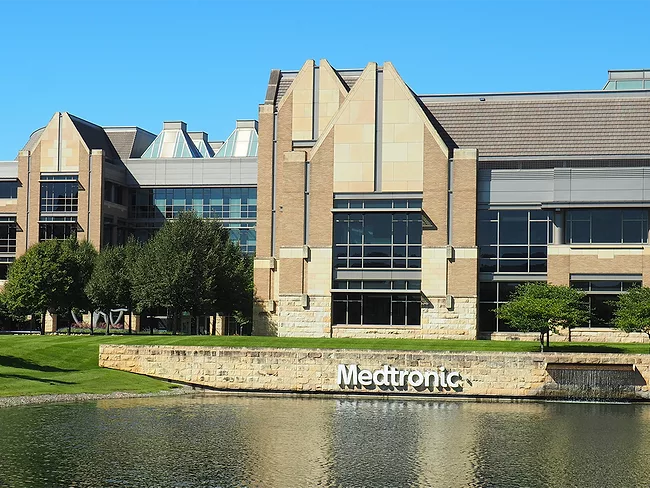
Medtronic plc guided investors’ expectations lower for the balance of its fiscal year, citing pummeling from foreign exchange rates, continued delays in elective procedures and ongoing supply chain issues. In response, the stock (NYSE:MDT) dropped from its close at $82.43 on Monday to open at $76.91 Tuesday. The company reported $7.59 billion in revenue for the first half of its fiscal 2023. That represented a 3% drop on a year-over-year basis, missing consensus expectations of $7.7 billion, in part because of a $457 million foreign currency hit.

 RSS
RSS