Sparrow Acoustics Inc., dba Sparrow Bioacoustics Inc., closed a C$10 million (US$7.15 million) financing round to support continued adoption of its U.S. FDA-cleared Stethophone platform, which allows bioacoustics detection of structural and rhythmic heart anomalies directly through a smartphone. Sparrow is a Software as a Medical Device and the first medically cleared product that uses smartphones to capture and decipher cardiac sounds.
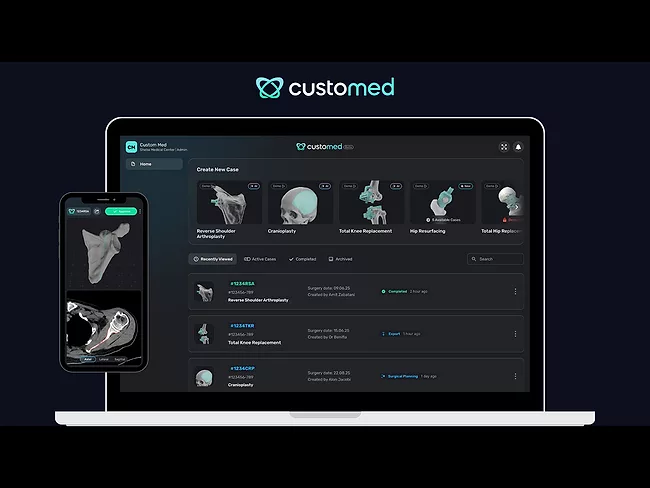
Customed Ltd. has completed its seed funding round, bringing the total capital raised to $6 million. The company has developed a platform which provides orthopedic surgeons with personalized pre-surgical planning and 3D printed surgical tools. The funds will be used to support regulatory approvals in the U.S. and EU, as well as expansion into additional automated orthopedic indications.
Zag Bio Inc. came out of stealth mode with $80 million in funding so far, including a recently closed series A financing, to develop its platform for autoimmune diseases using drugs targeted to the thymus where thymic regulatory cells are produced.
Private equity firm GHO Capital raised more than €2.5 billion (US$2.9 billion) for its latest fund to invest in health care companies. The fund, GHO Capital IV LP, is the firm’s largest to date and comes despite a challenging market environment reflecting confidence from investors in GHO’s transatlantic strategy and proven record of outperformance across the health care ecosystem.
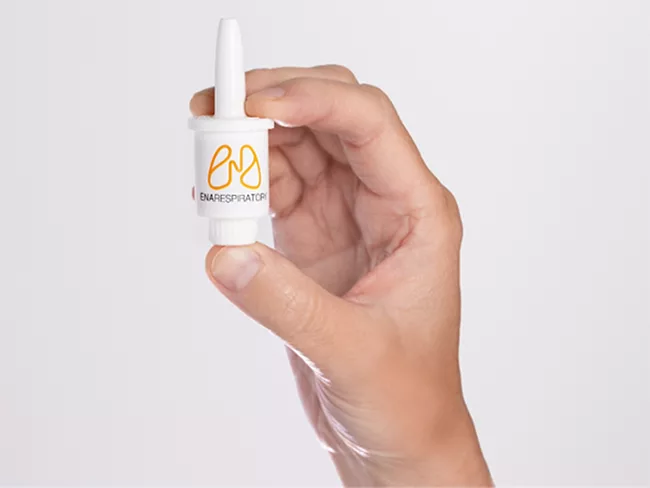
Ena Respiratory Pty Ltd. raised an AU$34 million (US$22.4 million) series B round to advance INNA-051, its nasal spray for symptomatic viral respiratory infections, to phase II trials. New investors in the Melbourne-headquartered company include the Gates Foundation and Flu Lab. Existing investors Brandon Capital, Uniseed and Stoic Venture Capital also participated in the round.
 RSS
RSS