The atopic dermatitis space gained another player in Triveni Bio Inc., which pulled down a $92 million series A financing co-led by Atlas Venture and Cormorant Asset Management to pay for a proof-of-concept study with lead program, TRIV-509, and boost the Waltham, Mass.-based firm’s broader pipeline.
With one of the higher series A rounds for 2023, the newly launched Aiolos Bio Inc. pulled in $245 million to advance its lead product, AIO-001, an anti-thymic stromal lymphopoietin monoclonal antibody set to enter a phase II trial for moderate to severe asthma.
Emerging from stealth mode, Rampart Bioscience Inc. pulled down $85 million in series A money for work on DNA-based drugs – a round that was led by Forbion with participation from seed investor Orbimed and new backers RA Capital Management and Healthcap.
Aboleris Pharma has closed a €27.3 million (US$28.7 million) series A financing, funds it plans to put toward progressing into the clinic a monoclonal antibody against a novel T-cell target with “first-in-class potential” to treat rheumatoid arthritis. The Gosselies, Belgium-based company’s antibody, ABO-21009, is designed to “rebalance” the immune system by inhibiting CD45RC, a protein expressed on the surface of a subset of disease-causing T cells.
Although preclinical studies of genetically engineered interleukin-18 (IL-18) historically indicated its potential in cancer treatment, interest in the cytokine languished after GSK plc shelved its IL-18 therapeutic on lack of responses in a phase II melanoma trial. But in 2020, Yale University-based professor of immunobiology Aaron Ring set about reviving IL-18 as a cancer therapeutic. He went on to engineer a decoy-resistant form of IL-18 and then founded Simcha Therapeutics Inc. to develop the drug – named ST-067.
Magnet Biomedicine Inc. emerged from stealth mode and pulled down a $50 million series A round co-led by founding investor Newpath Partners alongside Arch Venture Partners. The firm is advancing molecular glue discovery by way of rational selection and design, looking past known protein-protein interactions and what Magnet calls “tangential” degradation approaches to analyze the broader protein landscape and ultimately pair targets with rationally chosen presenters in the tissue where the disease manifests.
“From one to many” is how Actio Biosciences Inc. describes its approach to drug development. The firm emerged with a $55 million series A financing and an eye for biological targets found in both rare and common diseases, starting with TRPV4, a target associated with Charcot-Marie-Tooth disease type 2C and other bone diseases.
As part of its quest to advance its three first-in-class heart failure drug candidates toward the clinic, Corteria Pharmaceuticals SAS has closed an oversubscribed €65 million (US$70.7 million) series A, co-led by investors Orbimed and Jeito Capital, companies based in the U.S. and Europe, respectively.
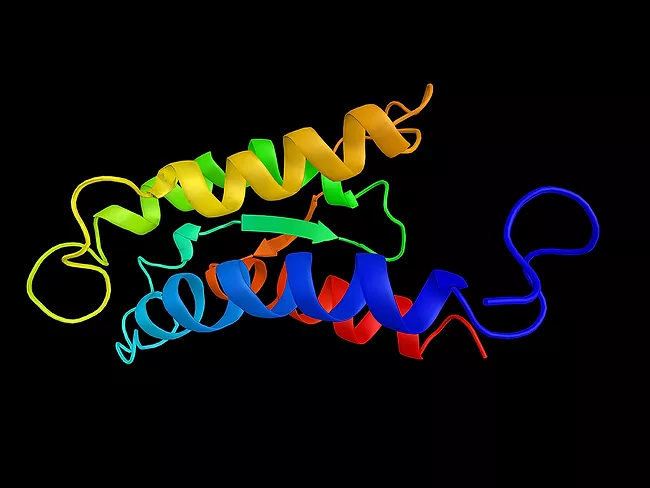
As a cytokine used in the field of immuno-oncology, interleukin-2 (IL-2) can produce durable and even complete responses in some patients, as well as induce immune memory against tumors. However, its rapid metabolism within the body means it has a short serum half-life, so it needs to be given in high doses, which can trigger severe side effects.
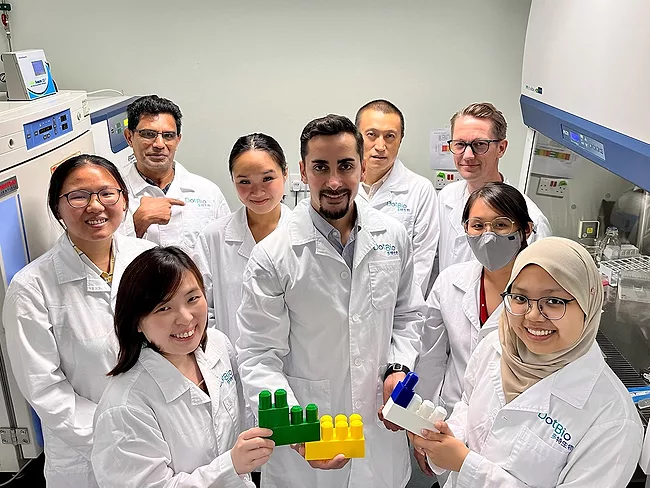
Emerging from stealth mode, new immuno-oncology company Dotbio Pte. Ltd. closed an oversubscribed $5.6 million pre-series A round to accelerate development of its multifunctional and intracellular antibody therapies.
 RSS
RSS