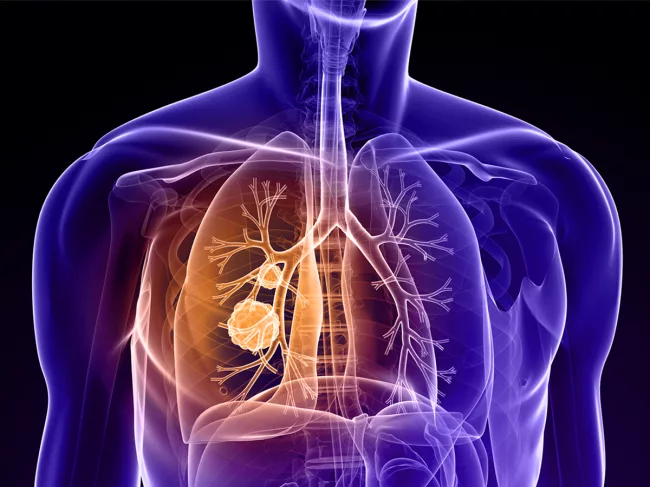
LONDON – Neogenomics Laboratories Inc. is to make a $25 million equity investment in Inivata Ltd. and has taken an option to acquire all of the company as part of a U.S. commercialization agreement with the U.K. liquid biopsy specialist. Under the deal, Neogenomics will take over sales, marketing and billing for Inivata’s Invisionfirst circulating tumor DNA lung cancer test, which is intended to replace tissue biopsies.
The U.S. FDA granted an emergency use authorization (EUA) for Quest Diagnostics Inc.’s self-collection kit for COVID-19. The kit allows individuals to collect their own specimens at home or in a health care setting.
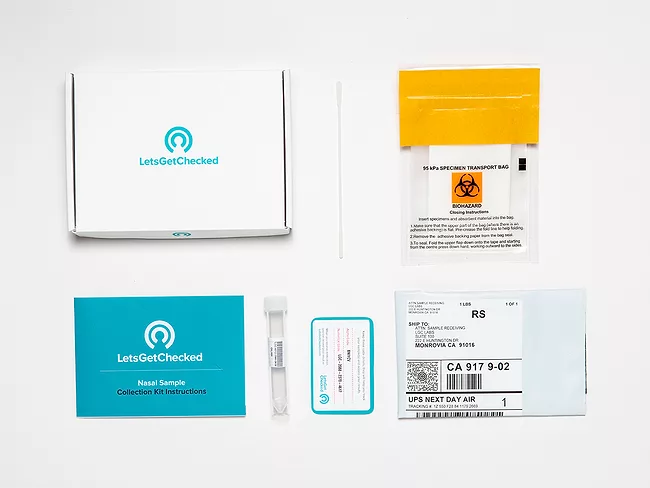
New York-based at-home testing startup Letsgetchecked said Friday that the U.S. FDA has granted emergency use authorization (EUA) for its COVID-19 Sure-track Test for signs of active SARS-CoV-2 infection. The polymerase chain reaction (PCR) nasal swab test is for use by at-risk individuals in the home and delivers results within 24 hours of a sample being received by the company’s CLIA-certified laboratory.
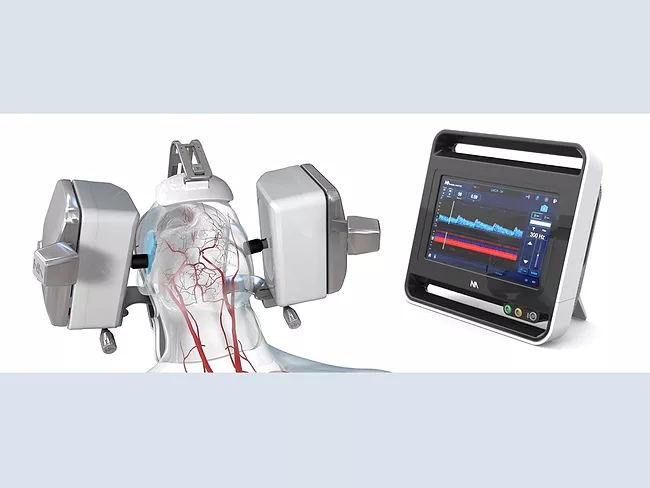
Doctors are reporting a proliferation of dangerous blood clots in the lungs and other major organs of COVID-19 patients, raising the risk of stroke and other life-threatening complications. While anticoagulant medications can reduce that risk, patients need careful monitoring to ensure their blood is neither too thick nor too thin. To that end, Los Angeles-based startup Neural Analytics Inc. is deploying its robotically assisted transcranial doppler (TCD) system for real-time identification of blood clots and disruptions in blood flow to the brain.
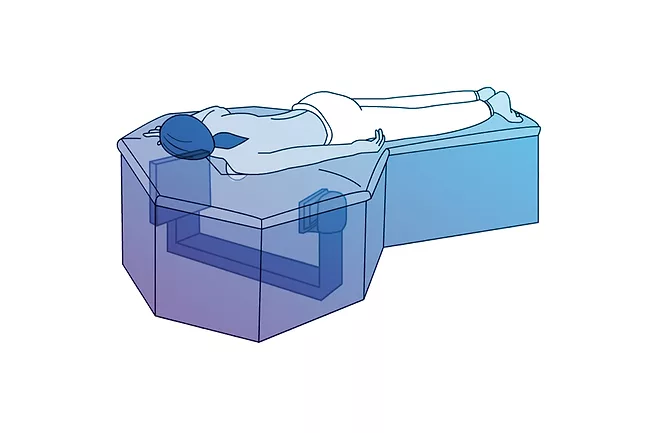
TORONTO – Vancouver, British Columbia-based Izotropic Corp. has inked a deal with Victoria, British Columbia-based based Starfish Medical Inc. to commercialize a CT scanner Izotropic CEO Robert Thast said will be a major disruptor of the breast imaging industry. Izotropic has spent approximately $20 million over the past 15 years to develop the system and is counting on Starfish to help translate this into a market-ready 3D breast CT imager by the end of 2020.
Keeping you up to date on recent developments in diagnostics, including: Double-contrast probe detects tiny tumors on MRI, Identifying risk of ischemic stroke, T cell aging induces broader senescence, ALK is a candidate thinness gene.
Fidget spinners are hand-held toys based on a roller bearing and three weighted lobes, which can spin freely, creating centrifugal force when activated manually. Generating centrifugal force with a fidget spinner takes neither electricity nor trained staff. And that has suggested to several researchers that such spinners, under the right circumstances, could be used for centrifugation under circumstances where reliably operating a centrifuge, for whatever reason, is a challenge.
Widespread testing is going to be key to safely reopening businesses and global economies in the current pandemic. To that end, Kahala Biosciences LLC, an Irvine, Calif.-based testing and tracking startup, and its technology partner, Rymedi Inc., of Greenville, S.C., have launched the Adiona COVID-19 antibody testing platform, combining antibody testing with a blockchain-enabled smartphone app to increase predictability and traceability of potential outbreaks.
The number of tests of various types for the SARS-CoV-2 virus are still growing, but the emergency use authorization (EUA) program is not the only option for developers. Timothy Stenzel, director of the Office of In Vitro Diagnostics and Radiology, said on the agency’s May 27 town hall that the agency would like to see test developers file for a 510(k) for their tests when the data are sufficient to support an application, adding that any such clearances will not affect the U.S. FDA’s interest in keeping plenty of similar tests on the market via the EUA mechanism.
Within a month of disclosing a CA$175.6 million (US$124.7 million) award from the Canadian government to use its antibody discovery platform for the analysis of patients who have recovered from COVID-19, Abcellera Biologics Inc. closed a $105 million series B financing aimed at expanding its capacity and investing in new technologies that complement its antibody discovery engine.
 RSS
RSS