New data from Grail Inc.’s randomized study of its Galleri multicancer early detection test could not alter the fact that the U.K. trial missed the primary endpoint of reducing the number of cancers diagnosed at stage III and stage IV. But the company is now suggesting that discounting the initial screen, when most late stage cancers were detected, would be more representative of a real-life steady state screening program.
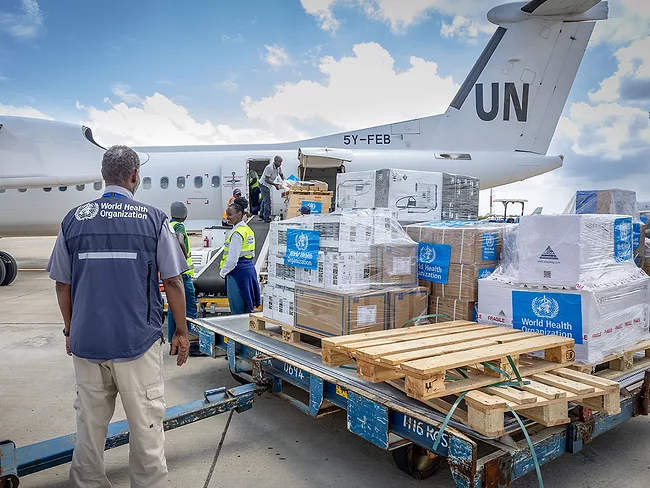
It is not surprising that a large Ebola outbreak would be considered a public health emergency of international concern. But the current PHEIC is notable for the speed with which it was declared, speaking to the urgency of the situation. World Health Organization Director-General Tedros Adhanom Ghebreyesus declared the outbreak a PHEIC on Sunday, May 17, without first convening an emergency committee. That step is unprecedented.
It is not surprising that a large Ebola outbreak would be considered a public health emergency of international concern. But the current PHEIC is notable for the speed with which it was declared, speaking to the urgency of the situation. World Health Organization Director-General Tedros Adhanom Ghebreyesus declared the outbreak a PHEIC on Sunday, May 17, without first convening an emergency committee. That step is unprecedented.
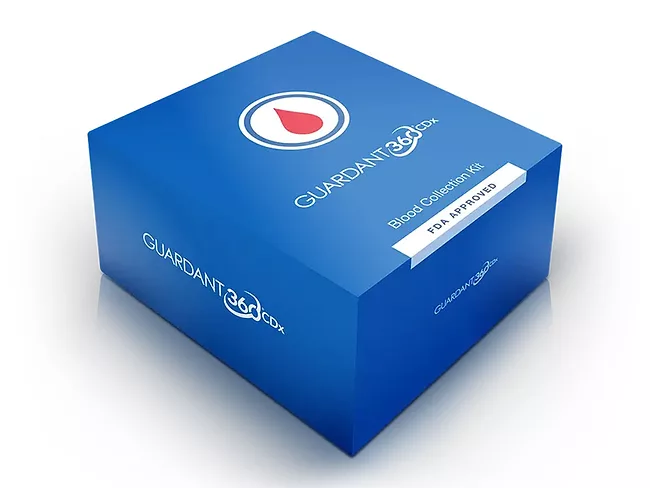
The evolution of cancer diagnostics continues with the FDA’s May 20 approval of Guardant Health Inc.’s Guardant360 Liquid cDx. The new blood-based comprehensive genomic test assesses a 100-times wider genomic footprint than the previously approved Guardant360 cDx to deliver comprehensive tumor profiling results, according to the company. It noted that the seven companion diagnostic indications already approved for the older test will transfer to the new one.
Roche Holding AG secured CE marking for the Elecsys plasma phosphorylated-tau 217 blood test designed to rule in and rule out amyloid pathology, a hallmark of Alzheimer's disease. Developed with Eli Lilly and Co., the test brings to the market another much-needed solution to help clinicians diagnose Alzheimer’s patients following the FDA approval of Fujirebio Diagnostics Inc.’s blood test last year.
Roche Holding AG has agreed to acquire Pathai Inc. for up to $1.05 billion in a bid to strengthen its position in digital pathology and enhance its biopharma services. The move builds on a partnership established between the two companies in 2021, and expanded in 2024, to include the development of AI-enabled companion diagnostic algorithms.
Caredx Inc. has agreed to acquire Naveris Inc., a precision oncology diagnostics company, for up to $260 million, as part of its strategy to accelerate growth. The acquisition comes as Caredx, an organ transplant diagnostic firm, reshapes its portfolio, expanding its oncology profile while recently divesting its lab products business.
Minimal residual disease (MRD) has become a central concept in modern oncology, reshaping how clinicians evaluate response, relapse risk and treatment precision. As increasingly sensitive technologies reveal traces of cancer that persist after therapy, MRD is emerging as both a biological challenge and a clinical opportunity, especially as new data illuminate its complexity across hematologic and solid tumors. This topic was addressed at the 2026 American Association for Cancer Research (AACR) annual meeting.
A new metasurface design strategy that replaces rigid order with “engineered disorder” could significantly increase how many optical functions can be integrated into a single ultra-thin device without increasing size or complexity, according to a study published in Nature Communications. The study challenges a longstanding assumption in optical engineering that highly ordered, periodic structures are required to precisely control light.
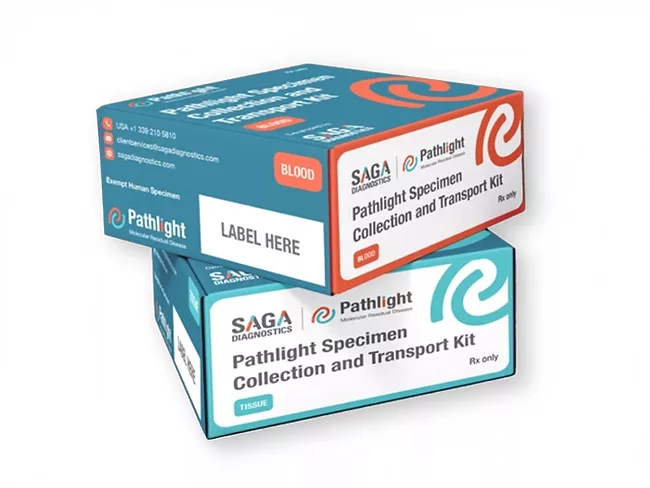
Nearly a year after the first U.S. commercial launch of the multicancer molecular residual disease (MRD) detection platform Pathlight, developer Saga Diagnostics entered a definitive merger agreement under which Roche Holding AG subsidiary Foundation Medicine Inc. will take over the firm in return for up to $595 million in payments.
 RSS
RSS