X-trodes Ltd. has received U.S. FDA 510(k) clearance for its Smart Skin solution, a wireless wearable technology that allows for medical-grade electrophysiological monitoring in clinics and at home. The company believes that the Smart Skin technology, which captures signals from the brain, heart, eyes and muscles, has the potential to significantly improve patient care.
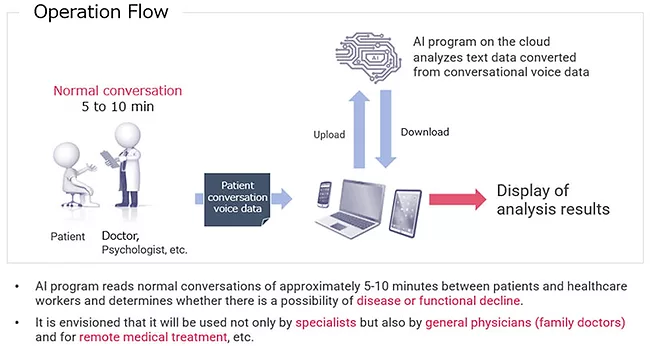
Shionogi & Co. Ltd. is partnering with Fronteo Inc. to develop artificial intelligence (AI)-based diagnostic tools to diagnose mental and neurological disorders more accurately.
If Freenome Holdings Inc.’s $254 million funding round is a sign, the capital markets for med-tech may finally be thawing. The cancer diagnostics company’s latest cash infusion brings its total funds raised to date to more than $1.3 billion. Freenome co-founder and Chief Product Officer Riley Ennis told BioWorld the company’s success in raising cash in a challenging market was attributable to the “perfect storm of huge unmet need and the opportunity that we have, given the treatment advancements.”
Holliston, Mass.-based Harvard Apparatus Regenerative Technology Inc. (HART) is seeking patent protection for synthetic structural support devices for use in esophageal tissue regeneration, in which the synthetic structural supports have been seeded with cells (e.g., mesenchymal stem cells) to form a cellular sheath on the supports’ outer surfaces.
A team of Johns Hopkins University researchers have filed for patent protection of a system and method to determine patient prioritization for triage during mass trauma events. The system and method may continuously monitor patient parameters to determine patient prioritization over time, which may improve the speed, quantity, and efficacy of life-saving interventions.
Toku Inc. recently obtained CE and UKCA marks for its artificial intelligence (AI) technology, Clair, which evaluates the risk of cardiovascular disease (CVD) using retinal images captured during an eye exam.
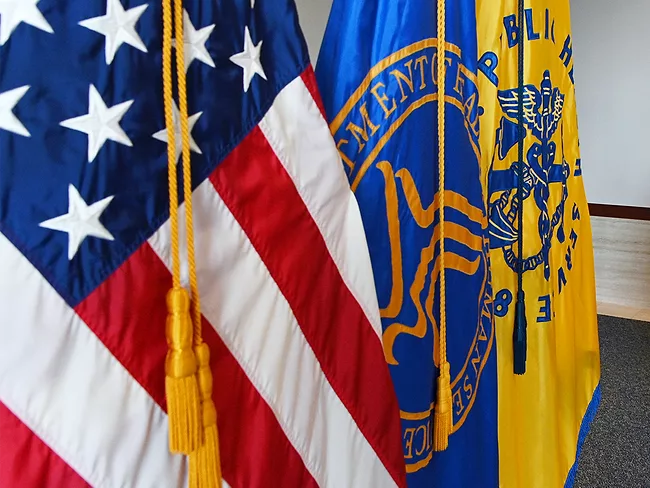
The U.S. Department of Health and Human Services (HHS) has released a sweeping plan that is designed to help manage vector-borne pathogens, such as the Zika virus, with the ultimate goal of reducing the related disease burden to zero.
Cyted Ltd. received U.S. FDA 510(k) clearance for its Endosign capsule technology, a non-endoscopic capsule sponge device used to collect pan-esophageal samples to detect esophageal pre-cancer and other conditions. The company believes that the minimally invasive test will be able to help prevent deaths from esophageal cancer when offered as a screening test to people on long-term medication for heartburn.
The story of how pigmentation affects the accuracy of pulse oximetry is still in play in the U.S. even though the FDA issued guidance on the subject in 2013, but the latest advisory hearing on the subject has added a new confounder to the story.
Fraud on federal health programs often revolves around illicit billings for in vitro diagnostics, but the U.S. Department of Justice (DOJ) has added mobile cardiac positron emission tomography (PET) to the list of technologies that have been used to violate the law.
 RSS
RSS