Mabwell (Shanghai) Bioscience Co. Ltd. has announced that SST-001 (18F-FD4), an α-synuclein-targeted PET tracer developed by Mabwell’s incubated company Synusight Biotech, has received clinical trial clearance from China’s National Medical Products Administration (NMPA). The planned phase I trial will enroll healthy volunteers, patients with multiple system atrophy (MSA), and patients with Parkinson’s disease.
Regeneron Pharmaceuticals Inc. is entering the radiopharmaceutical space via a collaboration with Telix Pharmaceuticals Ltd. to jointly develop and commercialize next-generation radiopharmaceutical therapies.
Regeneron Pharmaceuticals Inc. is entering the radiopharmaceutical space via a collaboration with Telix Pharmaceuticals Ltd. to jointly develop and commercialize next-generation radiopharmaceutical therapies.
Revenio Group Oyj has agreed to acquire ophthalmic diagnostics company Visionix International SAS for an enterprise value of €290 million (US$339 million) as it looks to become a leading player in the global eye care market. The deal expands Revenio’s offering with a highly complementary product and software portfolio, including optical coherence tomography equipment, an important and growing segment which is new to the company.
Whoop Inc. secured $575 million in a series G funding round at a $10.1 billion valuation to advance its AI-powered wearable platform for personalized and preventive health care. Abbott Laboratories joined the round as a strategic investor, backing the company’s push to expand access to its device amid growing demand.
What do a patent dispute over a CRISPR/Cas system, a rejected whistleblower case involving lab tests and a vaccine injury claim parading as multidistrict tort litigation have in common? All three were denied cert in the U.S. Supreme Court’s latest orders list.
A University of Texas System patent describes new radiolabeled positron emission tomography (PET) imaging agents targeting receptor-interacting serine/threonine-protein kinase 1 (RIPK1; RIP-1). As such, they are potentially useful for the diagnosis of cancer, retinal and autoimmune diseases, neurological and inflammatory disorders.
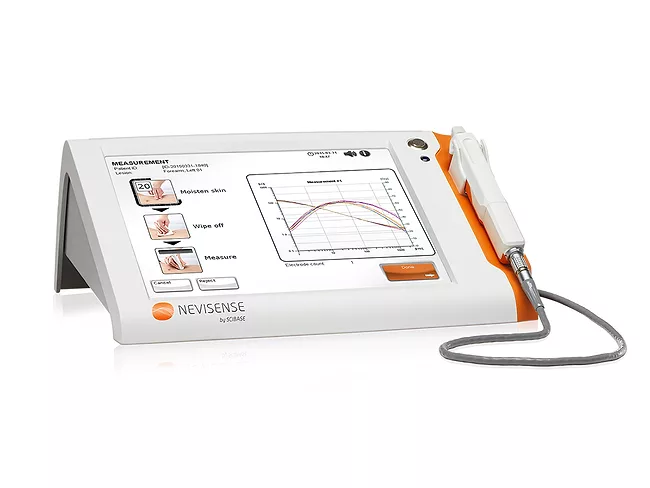
The U.S. FDA has issued a final order to reclassify optical diagnostic devices for melanoma detection and electrical impedance spectrometers from class III to class II, with special controls required.
AI and advanced biotechnology are reshaping South Korea’s med-tech sector, but great technology alone is not enough to build a successful medical device company, speakers said at MedTech Innovator’s Medtech Spotlight: New Impact Korea 2026.
AI and advanced biotechnology are reshaping South Korea’s med-tech sector, but great technology alone is not enough to build a successful medical device company, speakers said at MedTech Innovator’s Medtech Spotlight: New Impact Korea 2026.
 RSS
RSS