As the Omicron variant of COVID-19 sweeps across the globe, the Biden administration has announced a program to purchase 500 million rapid antigen tests to help slow the pandemic. The news comes at an especially critical time, given the increased transmissibility of the Omicron variant, but the promised volume is unlikely to be achieved by the first day of January 2022.
2021 may mark the beginning of a new phase in treatment of depression. While genetic matching of depression therapies to patients has been touted for a decade, meta-analyses have not supported claims of improved response rates with studies often finding that any improvements seen likely came from switching patients to guideline-recommended therapies rather than any insight from genetics.
The effect of the COVID-19 pandemic on the roll-out of European Union’s new med-tech regulations has sparked concerns about in vitro diagnostic availability, but relief from compliance deadlines has now been achieved. The European Parliament and the European Council have agreed to ease the compliance dates of the In Vitro Diagnostic Regulation (IVDR).
Nec Corp. has inked a global partnership agreement with Bostongene Corp. that will bring the latter’s Bostongene Tumor Portrait Tests to Japanese patients. Japan is the first market outside of the U.S. for the tests, according to the companies.
Bond Digital Health Ltd. landed £1 million (US$1.3 million) from investors to expand development of its Transform data management system for lateral flow diagnostic tests. The technology connects to an app that captures data from lateral flow assays in self-testing settings. The results are then shared to a dashboard that can be monitored by the platform admin. The new investment included equity funding from the Development Bank of Wales and high-net-worth investment service Wealth Club. In addition to the current round, Bond is aiming to raise a further £500,000 by January.
The U.S. hit a milestone this week in ensuring a stable domestic supply of molybdenum-99 (Mo-99), a medical isotope critical to radiopharmaceuticals that are used in more than 40,000 diagnostic procedures in the U.S. each day.
A recently published study demonstrated that Viome Life Science Inc.’s metatranscriptomic signature for oral cancer identified the malignancy from samples of saliva with more than 90% accuracy. The mRNA platform received breakthrough device designation from the FDA in May for both early-stage oral squamous cell carcinoma and oropharyngeal cancer.
TORONTO – Hyperfine Inc. has received Health Canada approval for the first FDA-cleared portable magnetic resonance imaging (MRI) device, which also features advanced reconstruction deep learning software. The company simultaneously announced its commercial launch of the Swoop imaging system in Canada.
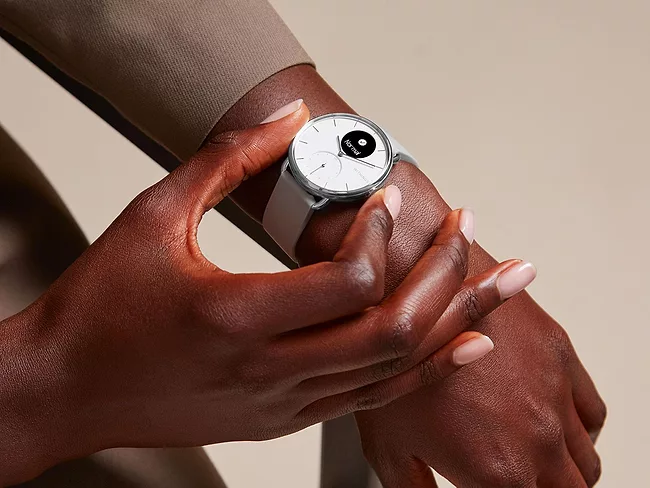
This year saw continued advances in smartwatches as they increasingly move from wellness assistants to medical monitors. Nowhere has that been clearer than in cardiovascular health, where multiple wearables now allow users to quickly detect atrial fibrillation, a notoriously shy condition previously only detectable in early stages by chance in a physician’s office or by wearing a cumbersome Holter monitor for 24 to 48 hours.
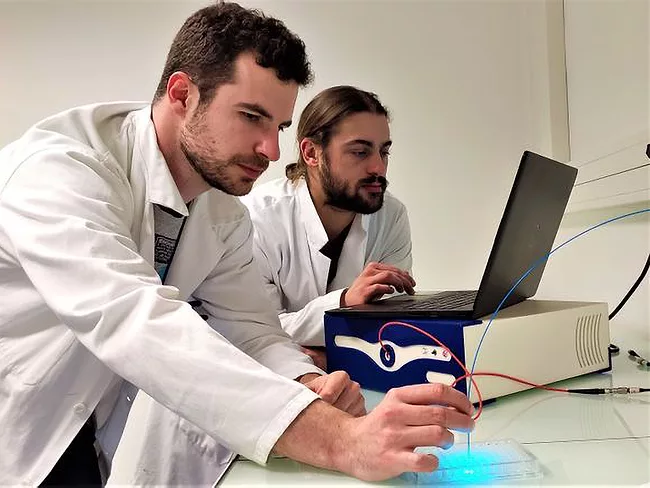
PARIS – Dyameo SAS has successfully raised $1.13 million in seed funding to develop its endoscopy probe used for the instantaneous detection of cancerous cells. This round was led by Medevice SAS and Aquiti Gestion SAS via its co-investment fund, NACO.
 RSS
RSS