The U.S. FDA’s January 2025 draft guidance for AI-enabled device software functions has not fared well in terms of industry response. Two major trade associations argue that the draft is at least somewhat redundant with existing agency guidance.
At the four-day KIMES 2025 exhibition, more than 35,000 products and prototypes were on display. In the clamor, BioWorld engaged with three promising neurological disease-focused companies – Readycure Inc., Neurive Co. Ltd. and Vuno Inc. – that showcased innovative technology for conditions like Alzheimer’s disease and tinnitus at the Seoul-based event.
New Zealand med-tech startup Avasa Ltd. has developed an arterial coupler that could save surgeons 30 minutes in the operating room to better connect arteries.
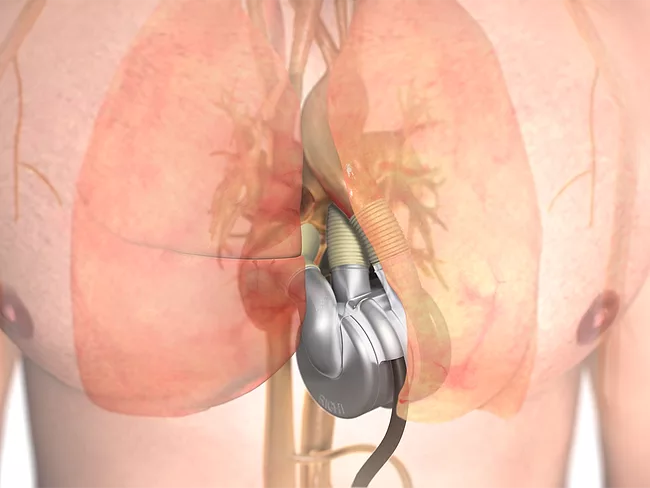
An Australian man in his 40s with severe heart failure was implanted with a Bivacor Inc. total artificial heart (TAH) and has been discharged from the hospital. He remained at home with the artificial heart for 100 days until he received a transplant earlier this week.
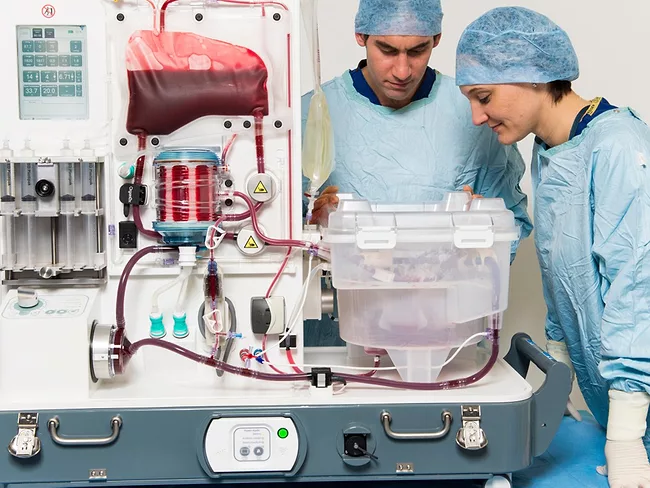
Organox Ltd. raised $142 million in financing to accelerate the growth of its Metra platform that preserves and transport livers for transplantation. The funds will allow the company to strengthen its ability to support current customers, expand its customer base and enter new markets such as Canada and Australia, where it earned regulatory approvals within the last year, Steve Deitsch, CFO of Organox, told BioWorld.
Nearly six weeks after Johnson & Johnson paused the U.S. external evaluation of its Varipulse pulsed field ablation catheter to investigate several neurovascular events in initial cases, the med-tech giant resumed its limited market release with revised global instructions for use.
The U.S. FDA’s device center hasn’t issued news bulletins or guidances in the past week, but the march of device recalls continues apace in the month of February.
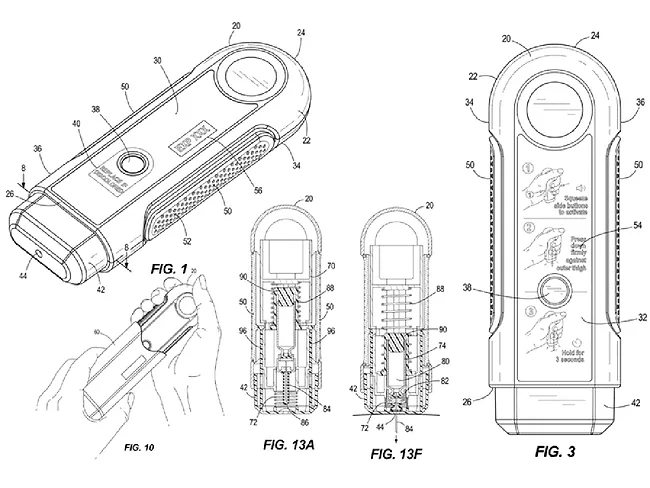
In the first patenting from Lent Innovations LLC, the company’s founder, Anne Lent – an allergist and immunologist – describes their invention of an epinephrine auto-injector tailored to the specific needs of children to reduce the risk of use errors and incorrect injection technique.
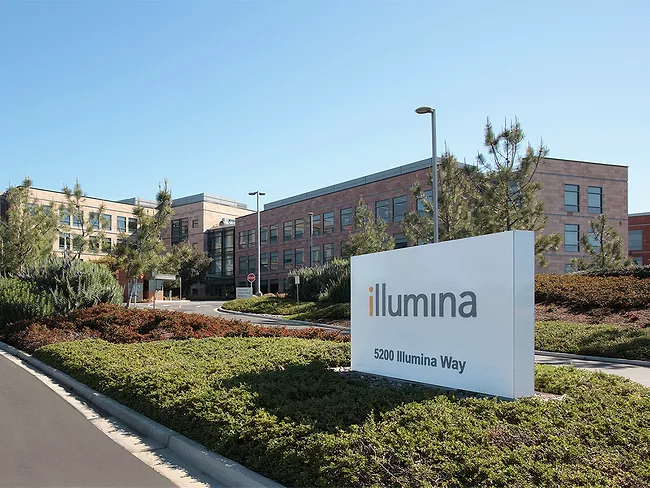
The Chinese government blacklisted several American companies, including gene sequencing-focused biotechnology firm Illumina Inc. and fashion brand PVH Corp., citing threats to China’s “national sovereignty, security and development interests.”
In a move that the company, said demonstrates its commitment to investing in higher growth areas, Zimmer Biomet Holdings Inc. reported its plans to buy foot and ankle (F&A) orthopedic specialist Paragon 28 Inc. for an up-front payment of $13 a share in cash, corresponding to an equity value of approximately $1.1 billion and an enterprise value of approximately $1.2 billion.
 RSS
RSS