South Korean researchers from Gwangju Institute of Science and Technology invented SPINDLE — a virtual reality-based robotic rehabilitation system — as a potential breakthrough therapy for tremor patients.
The years’ long effort by activist investor Politan Capital Management LP to take control of the Masimo Corp. board of directors and oust Masimo CEO and founder Joe Kiani took a turn for the weird this week as news emerged that Masimo Chief Operating Officer Bilal Muhsin notified the board that he would step down if Kiani were pushed out.
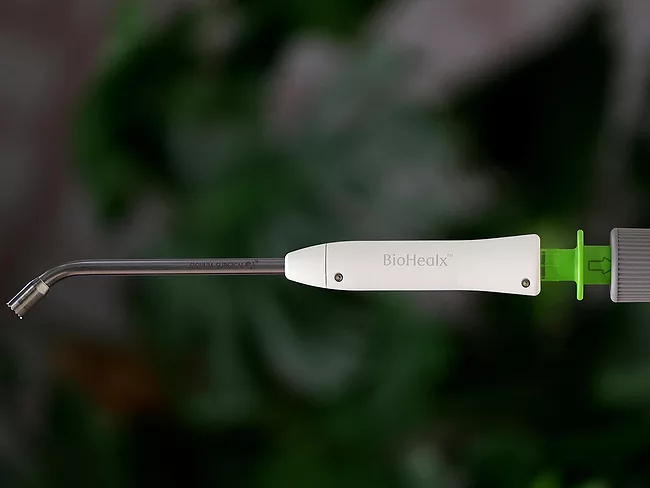
The U.S. FDA granted Signum Surgical Ltd. de novo marketing clearance for its Biohealx technology as a treatment for anal fistula. Biohealx is a single use, bioabsorbable implant, designed to not only to treat the condition in a minimally invasive procedure but also promote healing, prevent fistula recurrence and protect patient continence.
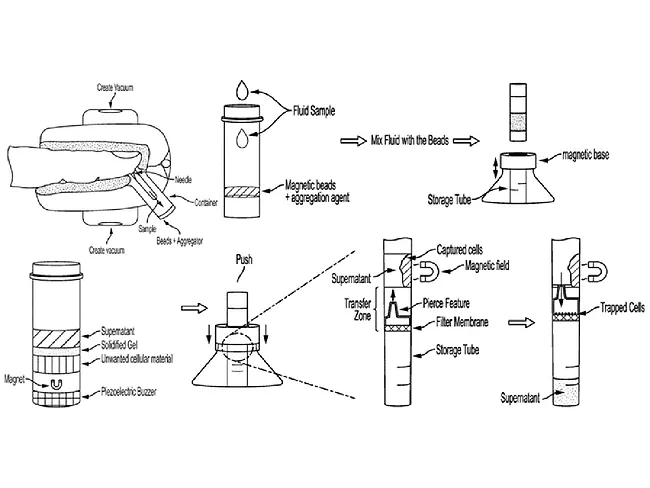
In the first patenting to have been published in the name of Lo Biosciences Inc., the company’s co-founder and CEO Sasank Vemulapati seeks further protection for their development of a device and method that helps eliminate time, distance, and cost as barriers between patients and their next blood test, by allowing patients to collect laboratory quality blood samples at home without the assistance of any health care professionals.
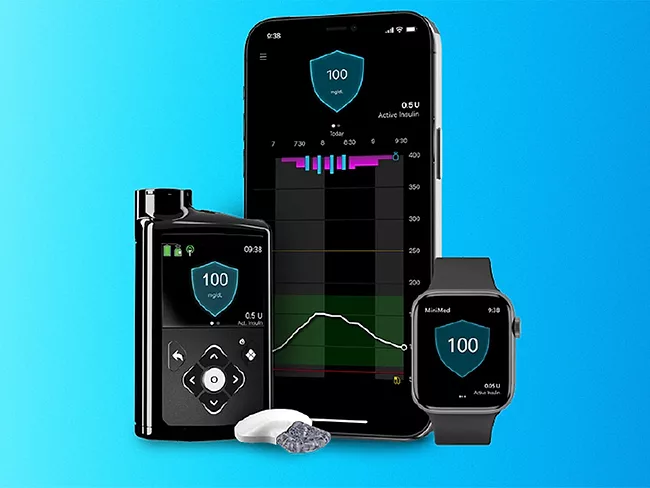
Medtronic plc’s diabetes unit has not received the positive attention lavished on competitors in recent years, but that may be about to change, if its presentations and analysts’ views from the American Diabetes Association 84th Scientific Sessions this weekend provide a good measure. Perhaps most notably, Medtronic’s Mimimed 780G, a hybrid closed-loop automated insulin delivery system that received U.S. FDA clearance in April 2023, posted strong results and could be the catalyst for increased traction of the diabetes franchise.
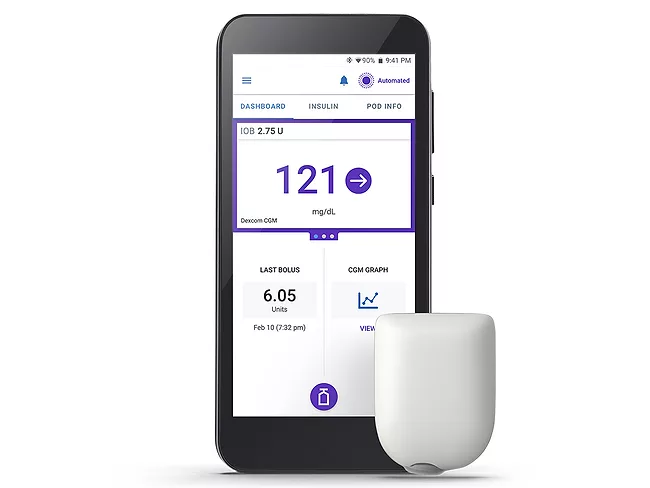
Results presented at the American Diabetes Association’s 84th Scientific Sessions in Orlando this weekend demonstrated significant reductions in blood glucose and insulin requirements in people with type 2 diabetes using Insulet Corp.’s Omnipod 5 automated insulin delivery (AID) system, providing a solid base for the company’s expansion into a much larger market.
A survey of 1,025 consumers conducted by remote patient monitoring company Vivalink Inc. found that 84% of respondents would be willing to participate in hospital-at-home monitoring if it allowed them to leave the hospital earlier. Further, of those who had participated in a hospital-at-home program, 84% reported a positive experience.
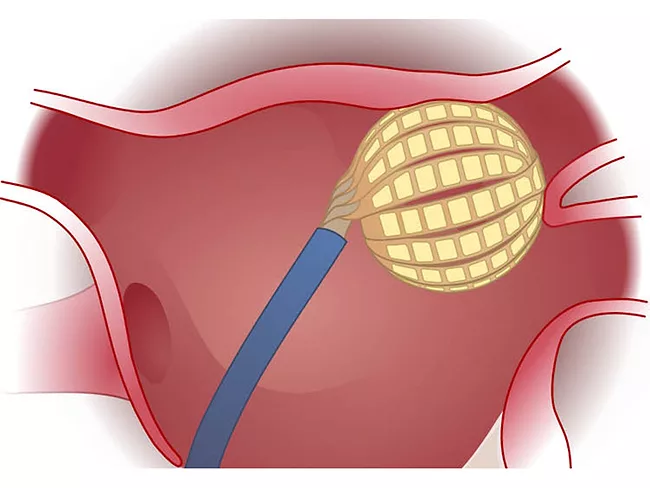
Kardium Inc. landed $104 million in new financing for its Globe mapping and ablation system for atrial fibrillation, positioning it to enter the rapidly changing field in the U.S. The funds will allow the company to finish its PULSAR trial, secure FDA approval and launch its pulsed field ablation system commercially, Kardium Chief Financial Officer Koert VandenEnden told BioWorld.
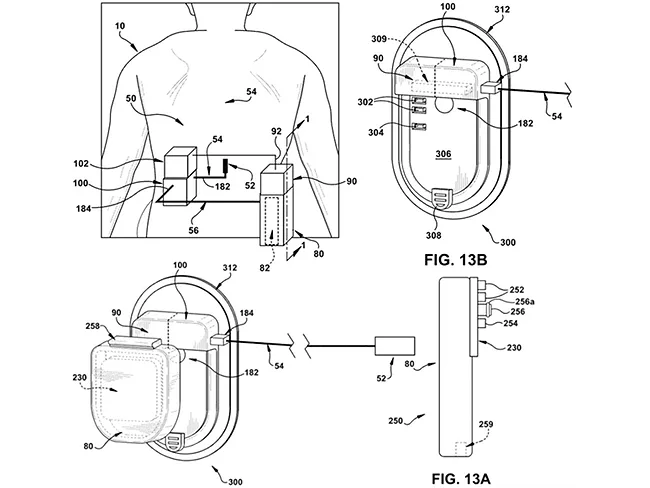
Researchers from The Cleveland Clinic Foundation continue to build intellectual property to protect their invention of a portable device for regulating the flow of cerebrospinal fluid (CSF) from a patient.
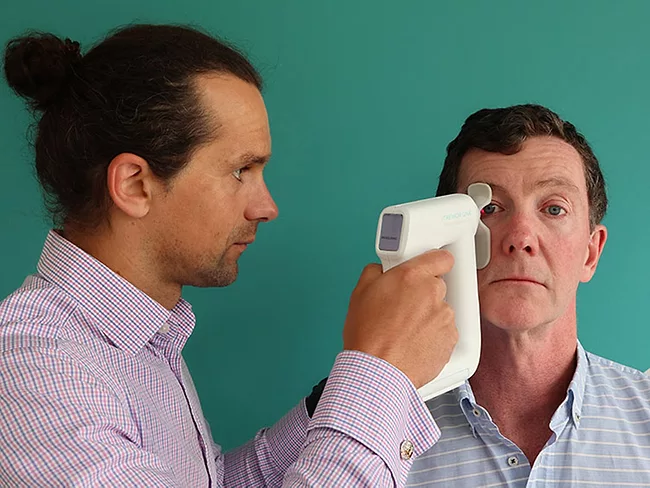
Two companies – Head Diagnostics Ltd. and Octave Bioscience Inc. – identified biomarkers that could provide objective assessments of disease progression and response to treatment for patients with multiple sclerosis.
 RSS
RSS