With a new medical device policy, India is laying the groundwork for a spurt in domestic manufacturing and to emerge as an innovative and globally competitive in the space, which is currently heavily reliant on imports. The new National Medical Devices Policy 2023, approved by the government at the end of April and notified in May, aims to place the Indian medical devices sector on an accelerated growth path.
Saturating bioactive glass with silver sustains the metal’s antimicrobial properties and reduces biofilm formation, researchers at the University of Birmingham, U.K., found. Their study, published in Biofilm, demonstrated that specific preparation, storage and application techniques minimize the transformation of silver ions to silver chloride that typically reduces silver’s healing properties over time.
Cala Health Inc. expanded availability of its next-generation bioelectronic Kiq device for relief of action tremors to include individuals with Parkinson’s disease as well as essential tremor. The broad commercial launch of the FDA-cleared wrist-worn device will enable more patients to use the transcutaneous afferent patterned stimulation (TAPS) therapy, which studies show reduces tremors and improves performance of activities of daily living.
Biosency SA's Bora Care remote monitoring solution can predict acute chronic obstructive pulmonary disease (COPD) exacerbations on average three days prior to hospitalization, according to initial results from an ongoing study. The results show that the technology can help prevent hospital admission and reduce the severity of acute exacerbation of COPD (AECOPD) leading to a better quality of life for COPD patients.
A one-hour procedure pioneered by Endogenex Inc. could make insulin use obsolete in people with type 2 diabetes. The recellularization via electroporation therapy (ReCET) procedure uses a specialized catheter to deliver electric pulses to the duodenum. Recently presented results of the EMINENT trial showed that 86% of patients who underwent the procedure and then began treatment with semaglutide were able to discontinue insulin use at six months and remain off insulin for at least a year following the procedure.
The U.K. government should speed up the approval process for medical devices and strengthen the Medicines and Healthcare products Regulatory Agency, as there is an opportunity for the country to provide global leadership in life sciences regulation in medical devices and medicines on the back of Brexit, according to a report.
With the COVID-19 public health emergency ending in the U.S. next week, Congress is looking to use the lessons learned from the pandemic to draft a new iteration of the Pandemic and All-Hazards Preparedness Act to ensure the country is better prepared for the next pandemic.
While sorting out a second phase III study design for its cancer therapy and light device with the U.S. FDA, Soligenix Inc. produced positive results from a compatibility study evaluating Hybryte (synthetic hypericin sodium) for treating early stage cutaneous T-cell lymphoma (CTCL). That data, according to Soligenix, bolster findings from the phase III FLASH study, which used the same combination in treating CTCL. According to Christopher Schaber, Soligenix CEO, the important corporate objectives for the compatibility study were to replicate results seen in the FLASH study.
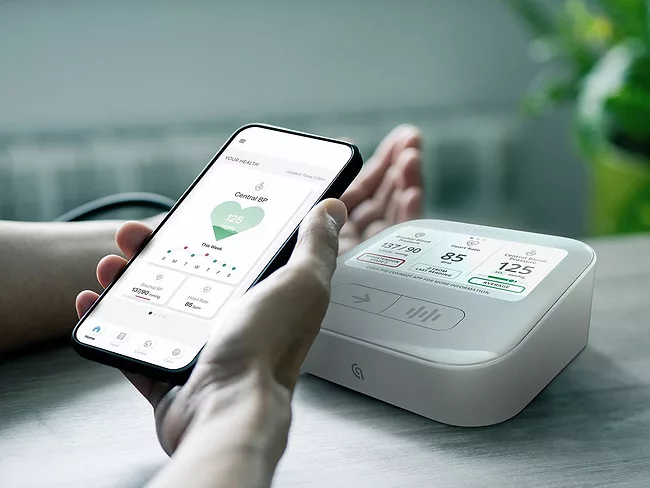
Cardiex Ltd. won U.S. FDA clearance for its Conneqt Pulse vascular biometric monitor. According to the digital health and wearables company, the device is the first in the world to provide measurements of both brachial blood pressure in the arm and central blood pressure in the heart and aorta, as well as arterial waveform analysis and other clinically relevant vascular biomarkers, outside the hospital, research institutions or clinical trial sites.
Dexcom Inc. posted a 19% increase in first quarter revenues compared to 2022 boosted by a stunning 27% organic growth in sales outside the U.S. With clearance of the G7 device in hand, another record set in new patient starts and coverage of continuous glucose monitoring (CGM) systems by CMS effective this month, the year is shaping up to be quite rosy for the diabetes device company.
 RSS
RSS