The medical device development tool (MDDT) may come across as so much regulatory esoterica of little utility to most device makers, but that perspective might be unduly pessimistic. The FDA’s Edward Margerrison, director of the Office of Science and Engineering Laboratories, said the agency is intent on making MDDTs as ordinary as possible to allow device makers to do what they do best, which is to focus on making the best device they can.
The FDA’s draft guidance for the form and content of unique device identifiers (UDIs) may have lacked the controversy of some other policies, but the 2016 draft languished for five years even though only 10 comments appear in the docket. While the agency made some concessions regarding substantial edits of the draft, the final retains a need for data delimiters in the definition of “easily readable” plain text in UDIs, despite industry’s argument that this was not required in the agency’s UDI rulemaking.
PARIS – In France, the Haute Autorité de Santé, or National Health Authority (HAS), recently reported the entry into force of a new plan for "temporary" adoption under social security for innovative medical devices. The aim is to speed up access to the French insurance reimbursement market for medical technology addressing unmet or poorly met clinical needs in the context of serious or rare conditions, or which help disability in France.
There is “a wide gap” in the availability of pediatric medical devices that suggest most of these were developed for adolescents, according to a new study on FDA premarket approval applications (PMAs). The findings stem from an evaluation of 297 PMA documents for 149 high-risk devices, 68% of which include pediatric age indications. Pediatric medical devices have lagged behind their adult counterparts in terms of availability, options and innovation. The new findings add to the current relatively limited body of research considering the ample medical device space but are consistent with previous findings that most devices indicated for children are limited to those over 18 years of age.
The decision by the U.S. Centers for Medicare & Medicaid Services (CMS) to suspend the Medicare Coverage of Innovative Technology (MCIT) rule a second time was controversial, but CMS’s Tamara Syrek Jensen vowed that the agency has made no final decision. Jensen acknowledged that the agency has not foreclosed a full-blown rescission of the MCIT proposal, a not-implausible outcome given the prospect that legislation in the works in the House Energy and Commerce Committee could render the rule moot.
The official compliance date for the European Union’s Medical Device Regulation (MDR) is now officially in force after a delay of two years. One of a number of unfortunate side effects is that the mutual recognition agreement (MRA) between the EU and the Swiss government has lapsed, and the European Commission has indicated that the two sides have not come to terms over the impasse.
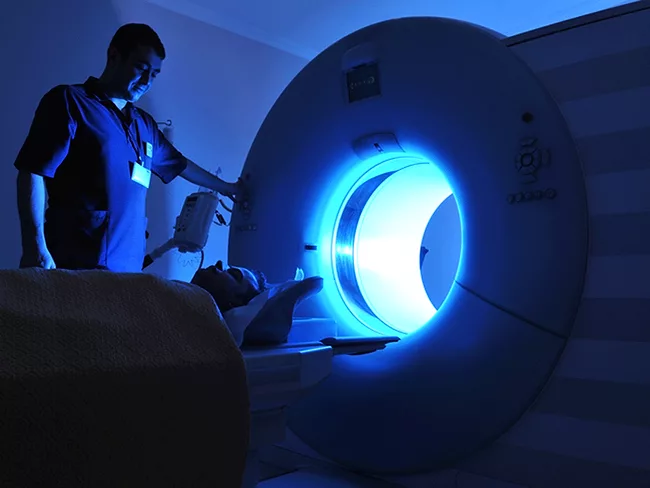
The impact of MRI procedures on medical devices has been the subject of regulatory concern for better than a decade, but the FDA needed until 2019 to craft a guidance that deals with testing and labeling for such considerations. The final guidance offers several tweaks and adjustments to the 2019 draft, but ignores several requests made by industry, including a request that the final not rely on a clinically relevant worst-case scenario when evaluating the potential for device heating.
Despite support from a wide range of stakeholders and bipartisan congressional support, the U.S. CMS has suspended implementation of the Medicare Coverage of Innovative Technology (MCIT) rule through Dec. 15, 2021. CMS argued that most of the approved or cleared breakthrough devices are already covered through existing payment mechanisms, but the delay opens the door to any one of multiple possible legislative solution, such as follow-on legislation to the 21st Century Cures Act.
It’s no secret that physicians are the interface between device makers and the patient, but their role in cybersecurity has been limited to date. However, Christian Dameff, assistant professor of biomedical informatics and computer science at the University of California San Diego, said its time to engage physicians once they are in practice and to include cybersecurity in medical school education, two efforts he said would go a long way toward improving medical device cybersecurity in the clinical setting.
Soulbrain Holdings Co. Ltd. ramped up its unusual diversification program with the acquisition of Pixcell Medical Technologies Ltd. as part of the semiconductor company's shift into health care and in vitro diagnostics. The acquisition of Pixcell follows Soulbrain’s acquisition of Ark Diagnostics Inc. in 2018 as the company looks to the bio-health care industry as its "engine for new growth."
 RSS
RSS