With the COVID-19 public health emergency ending in the U.S. next week, Congress is looking to use the lessons learned from the pandemic to draft a new iteration of the Pandemic and All-Hazards Preparedness Act to ensure the country is better prepared for the next pandemic.
While sorting out a second phase III study design for its cancer therapy and light device with the U.S. FDA, Soligenix Inc. produced positive results from a compatibility study evaluating Hybryte (synthetic hypericin sodium) for treating early stage cutaneous T-cell lymphoma (CTCL). That data, according to Soligenix, bolster findings from the phase III FLASH study, which used the same combination in treating CTCL. According to Christopher Schaber, Soligenix CEO, the important corporate objectives for the compatibility study were to replicate results seen in the FLASH study.
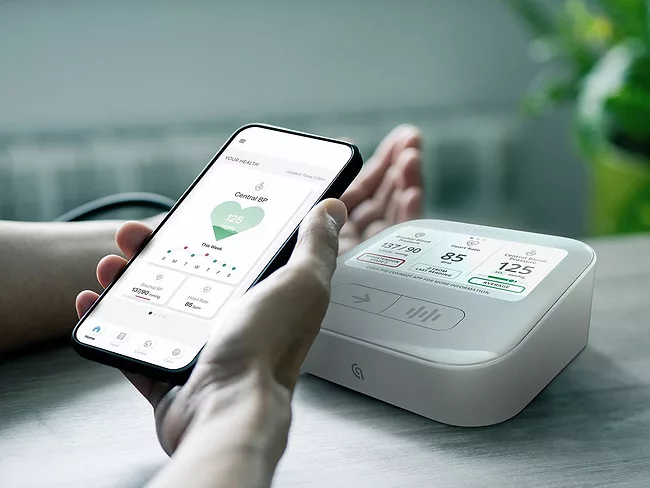
Cardiex Ltd. won U.S. FDA clearance for its Conneqt Pulse vascular biometric monitor. According to the digital health and wearables company, the device is the first in the world to provide measurements of both brachial blood pressure in the arm and central blood pressure in the heart and aorta, as well as arterial waveform analysis and other clinically relevant vascular biomarkers, outside the hospital, research institutions or clinical trial sites.
Dexcom Inc. posted a 19% increase in first quarter revenues compared to 2022 boosted by a stunning 27% organic growth in sales outside the U.S. With clearance of the G7 device in hand, another record set in new patient starts and coverage of continuous glucose monitoring (CGM) systems by CMS effective this month, the year is shaping up to be quite rosy for the diabetes device company.
Ophthalmic startup Eluminex Biosciences Ltd. closed a $40 million series B round to progress its pipeline of ophthalmic assets and recombinant human collagen technology. Eluminex’s pipeline includes multi-targeted antibody molecules for vision-threatening retinal diseases and an oral small molecule for rare inherited pediatric retinal dystrophies, but its lead asset, EB-301, is a biosynthetic cornea derived from recombinant human type III collagen.
The U.S. FDA posted an update to the ongoing recall of respirators and positive airway pressure devices by Philips Respironics Inc., a subsidiary of Amsterdam-based Royal Phillips NV, which are associated with more than 21,000 medical device reports (MDRs) between Aug. 1 and Oct. 31, 2022. However, these MDRs are also associated with 91 patient deaths, which while they cannot be attributed directly to these devices, are nonetheless a stain on the reputation of the company’s products going forward.
President Joseph Biden signed into law the CHIPS and Science Act of 2022, a bill that calls for investment of $280 billion overall into the development and manufacturing of semiconductor products and which should ease the crunch on these products for medical device manufacturers. However, some have estimated that bringing new production capacity online can take three to five years, suggesting that the med-tech industry will need to continue to devise workarounds to the current supply crunch for the immediate future.
The U.S. CMS released the draft Medicare hospital outpatient rule for calendar year 2023, a document that is replete with information on pass-through payment data for drugs and devices. However, the agency said that the Supreme Court’s ruling regarding rates for drugs covered under the 340B drug pricing program came too late in the annual cycle to be fully accounted for in the outpatient rule for 2023, and thus any such permanent adjustments will have to wait until the outpatient rule for 2024.
The shortage of semiconductor products, such as computer processors, was an artifact of the COVID-19 pandemic, but the shortage has yet to ease, to the detriment of hospitals, device makers and patients. That dilemma surfaced again as the U.S. Department of Commerce met with device makers to discuss the dilemma, which in the views of some still constitutes a crisis of health care.
Drug delivery opportunities are at the heart of Halozyme Therapeutics Inc.’s nearly $1 billion acquisition of Antares Pharma Inc. The deal brings Halozyme an autoinjector platform to complement its Enhanze drug delivery technology, which is designed to reduce hours-long treatments to minutes.
 RSS
RSS