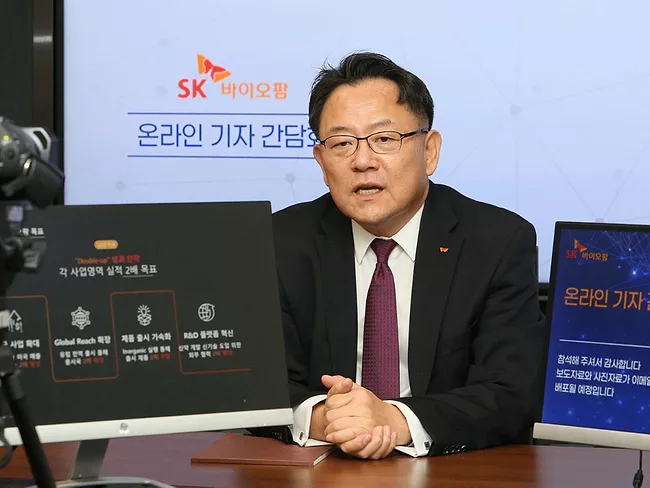
SK Biopharmaceuticals Co. Ltd.'s three-pronged plan for tackling epilepsy is going strong, with lead drug cenobamate for drug-resistant focal-onset seizures nearing the finish line, and earlier-stage programs for a mRNA-based approach and a digital therapeutic in the works.
SK Biopharmaceuticals Co. Ltd.'s three-pronged plan for tackling epilepsy is going strong, with lead drug cenobamate for drug-resistant focal-onset seizures nearing the finish line, and earlier-stage programs for a mRNA-based approach and a digital therapeutic in the works.
Royal Philips NV expanded its commitment to increasing awareness of cardiovascular implantable electronic device (CEID) infections with a new partnership with the American Heart Association (AHA). The organizations are rolling out a program to educate medical professionals on the proper management of these infections which are commonly treated with antibiotics, an approach that leads to reinfection in the majority of cases.
There are several devices on the market to repair the dreaded abdominal aortic aneurysm (AAA), but these carry some serious risks that have prompted multiple FDA advisories. The agency’s latest announcement recommends routine clinical follow-up for these patients for life, and the formation of a “real-world surveillance system” that may require the financial and technical assistance of industry and medical societies to develop.
The U.S. FDA’s device center has posted a report on premarket review performance metrics under the current device user fee schedule, and the latest data show an 83% rate of deficiency in first-cycle reviews of PMA original filings in the last three months of calendar year 2021. That rate is down somewhat from the 91% rate seen in 2016, but is up substantially from the 63% major deficiency rate seen in 2018, the low-water mark for this metric for more than a decade.
PARIS – One year after inception, Lauxera Capital Partners SAS reported final closing of its Lauxera Growth I fund at nearly $300 million, making it the leading European fund devoted to financing health-tech businesses. Lauxera Capital’s objectives involve supporting fast-growing European firms and ramping their international business development.
The process of reauthorizing critical U.S. FDA user fee agreements (UFAs) for drugs, generics and biosimilars took its first step forward in Congress Feb. 3 as the House Energy & Commerce Subcommittee on Health dipped its feet into the new enhancements included in the agreements the FDA negotiated with stakeholders over the past two years.
PERTH, Australia – Australia’s Therapeutic Good Administration (TGA) plans to increase all fees and charges to industry by 2.6% for the 2022 to 2023 financial year, and it is seeking feedback on proposed options.
The semiconductor industry has been hit hard by shortages of computer central processing units (CPUs) in recent months, but the persistence of these shortages has prompted a new response from industry. The Advanced Medical Technology Association (AdvaMed) said device makers are taking steps to ease the crunch, but that the Biden administration must take steps to ensure that medical technologies do not suffer from shortages, given the critical role played by devices in patient care.
PERTH, Australia – Australia’s Therapeutic Good Administration (TGA) plans to increase all fees and charges to industry by 2.6% for the 2022 to 2023 financial year, and it is seeking feedback on proposed options.
 RSS
RSS