Abbott Laboratories reported fourth quarter sales below expectations before the market opened on Jan. 22, sending the stock down nearly 12% from the prior day's closing. The biggest hits came from contraction in the nutrition group along with continued disruption in the diagnostics unit from volume-based procurement in China. Medical devices suffered from market share loss in electrophysiology and slower than expected uptake of continuous glucose monitors. The pharma group performed as anticipated, posting 7% growth.
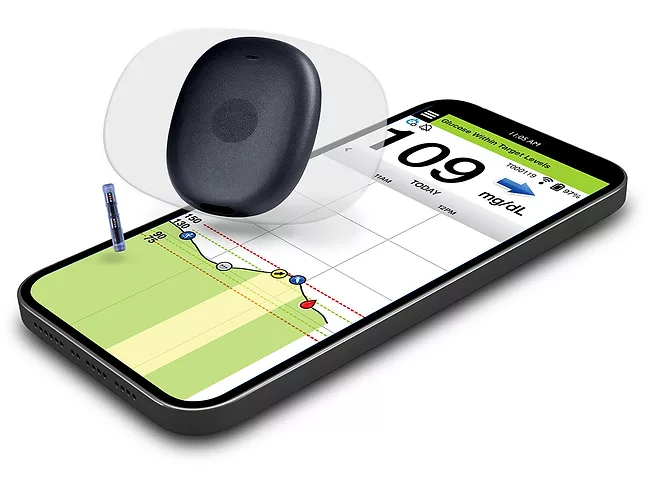
Over the last year, diabetes technology saw significant changes, including the acceleration of patch pumps, ever-smaller continuous glucose monitors (CGM), implanted CGMs and increased interest in devices that measure additional chemicals in blood without needles.
The U.S. Centers for Medicare & Medicaid Services has posted the home health final rule for calendar year 2026 and has established a framework for competitive bidding for products such as continuous glucose monitors, a move that is struggling to find support among stakeholders.
The Office of Inspector General issued a report stating that the Medicare program could save “tens of millions of dollars” in a single year on continuous glucose monitors and associated supplies if the Centers for Medicare & Medicaid Services acted to apply price pressure on suppliers.
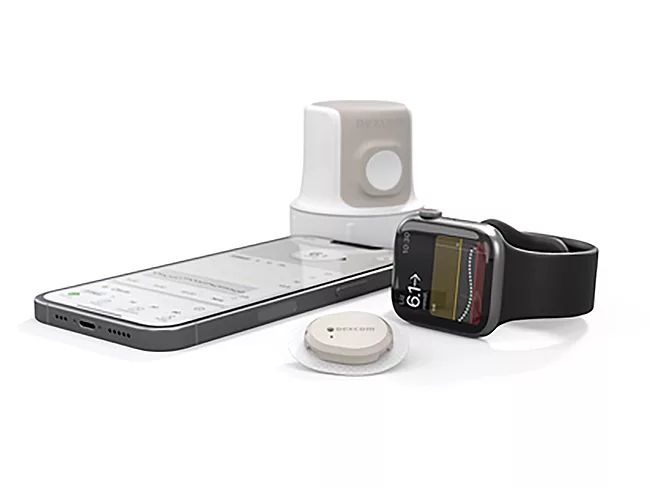
Dexcom Inc. received U.S. FDA clearance for its Smart Basal CGM-integrated basal insulin dosing optimizer. Designed for adults with type 2 diabetes using glargine U-100 long-acting insulin therapy, Smart Basal uses data from Dexcom’s G7 15 Day sensor with doses logged by the user to personalize recommendations and adjust long-acting insulin doses, with direction from the patient’s health care provider.
Dexcom Inc. executives may have thought a $30 million beat of the consensus estimates for third quarter revenue and 20% year-over-year organic growth provided a treat to shareholders, but investors seemed to feel tricked instead. The continuous glucose monitoring powerhouse saw its share price drop a frightening 17% in the first two hours of trading on Oct. 31, pushing it down by one-third from its peak of $89.53 in late July. Investors appear to have been spooked by the company’s conservative projections for 2026, following issues with its G7 sensor, which management said have been largely resolved.
San Diego-based Dexcom Inc., is the target of a class action lawsuit in U.S. district court over the company’s G7 continuous glucose monitors, an action which follows a U.S. FDA warning letter by a mere seven months and a recall announced in July, suggesting that litigation often follows other sources of bad news for firms in the med-tech business.
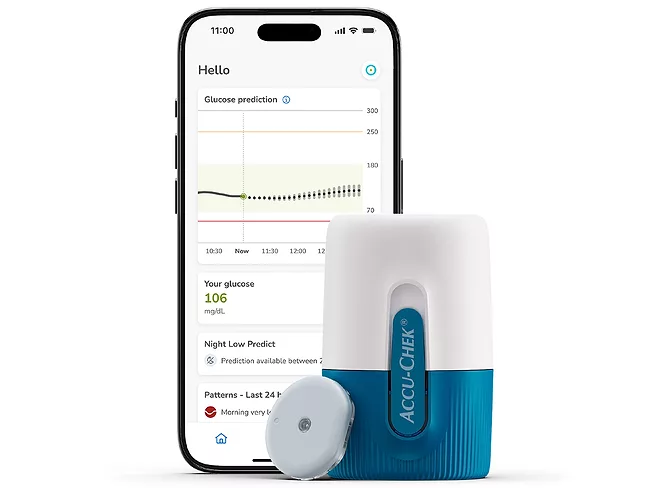
Roche Holdings AG received CE mark approval for the integration of its AI-enabled continuous glucose monitoring system, Accu-Chek Smartguide, with the Mysugr diabetes management app. The integrated solution, which combines predictive CGM technology with therapy data in one place, will simplify the daily decision-making for users managing their diabetes.
After a five-year partnership, Senseonics Holdings Inc. and Ascensia Diabetes Care Holdings AG, a unit of Tokyo-based PHC Holdings Corp., agreed to transition worldwide commercialization and distribution of Senseonics’ Eversense 365 implantable continuous glucose monitor back to Senseonics beginning on Jan. 1, 2026.
Signos Inc. landed U.S. FDA clearance for its over-the-counter glucose monitoring system, which combines Dexcom Inc.'s non-prescription Stelo continuous glucose monitor with an AI-powered platform focused on weight management and metabolism. The sensor transmits glucose readings to a smartphone app that interprets the data, provides guidance for healthy habits and educates the user.
 RSS
RSS