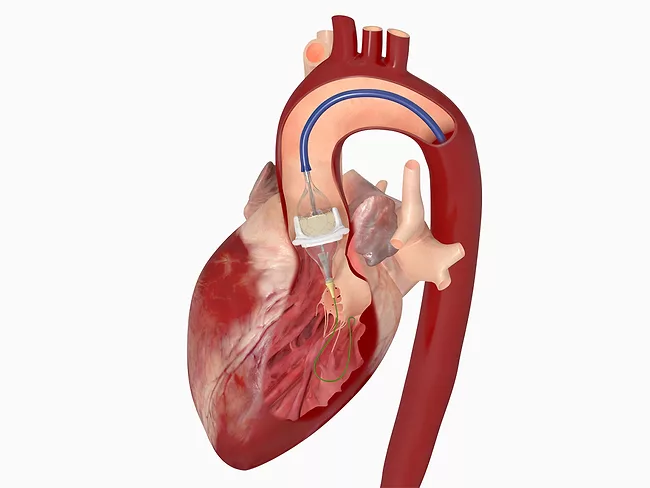
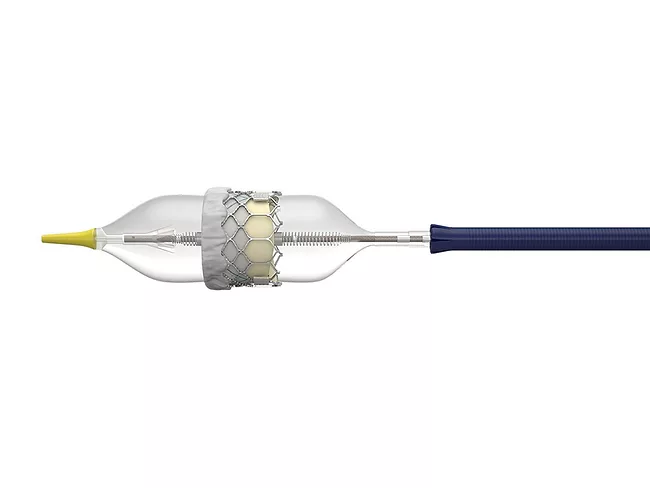
Edwards Lifesciences Corp.’s posted fourth quarter results slightly ahead of expectations, but indicated that the first quarter of 2025 might not be as bright. The company expects growth for both its lead transcatheter aortic valve replacement (TAVR) business and the company to fall below its full-year estimates, with a mid-year indication expansion for TAVR providing a critical boost in the back half of 2025.
Edwards Lifesciences Corp. revealed excellent one-year data highlighting the performance of its newest generation Sapien 3 Ultra Resilia valve. Patients treated with the transcatheter aortic valve replacement system experienced lower rates of mortality and reintervention compared to its predecessors.
Two recent trials in cardiovascular disease took critical steps toward addressing ongoing and deadly disparities in cardiac care by focusing entirely on women.
The ACURATE study of the Accurate neo2 TAVR device by Boston Scientific Corp., failed to demonstrate the device is non-inferior to established devices, but the COVID-19 pandemic threw up some roadblocks.
The Pi-Cardia Ltd. Shortcut — the catheter-based, leaflet modification solution for treating heart valves — received U.S. FDA clearance. The device was granted breakthrough device designation from the regulatory agency and is designed to split bioprosthetic aortic valve leaflets in patients undergoing valve-in-valve transcatheter aortic valve replacement (TAVR) procedures who are at risk of coronary obstruction.
In the first study to compare transcatheter aortic valve replacement or implantation to surgical aortic valve replacement exclusively in women, Edwards Lifescience Corp.’s Sapien 3 and Sapien 3 Ultra valves provided better outcomes.
Boston Scientific Corp. obtained a CE mark for its latest self-expanding transcatheter aortic valve replacement technology, the Acurate Prime, opening up a new access point for increased sales and profitability in its structural heart division this year.
Andera Partners involvement in a string of recent deals in the cardiovascular space demonstrates the ongoing appetite for devices to treat heart diseases, Olivier Litzka, a partner at Andera Partners told BioWorld.
Edwards Lifesciences Corp. continued its recent acquisition streak with its buy of JC Medical Inc., a subsidiary of Genesis Medtech International. The sale included the intellectual property and commercial rights for the J-Valve system, a transcatheter aortic valve replacement for the treatment of severe aortic regurgitation.
There is no evidence to support the differences in prices that the U.K.’s national health service (NHS) is paying for transcatheter heart valves from Abbott Laboratories, Boston Scientific Corp., Edwards Lifesciences Corp. and Medtronic plc, according to the National Institute for Health and Care Excellence.
 RSS
RSS