Regeneron Pharmaceuticals Inc. is adding to its obesity pipeline by in-licensing Hansoh Biomedical Co. Ltd.’s phase III dual glucagon-like peptide 1 (GLP-1)/gastric inhibitory polypeptide (GIP) receptor agonist, HS-20094, for up to $2 billion.
GC Genome Corp. priced a Kosdaq offering of 4 million shares at ₩10,500 per share May 27, entailing a gross ₩42 billion (US$30.5 million) raise in early June. The Yongin, South Korea-based genomics subsidiary of GC Biopharma Corp. fixed its shares price to the top of its ₩9,000 to ₩15,000 price band May 27 after conducting demand forecasting on domestic and international institutional investors from May 19 to May 23.
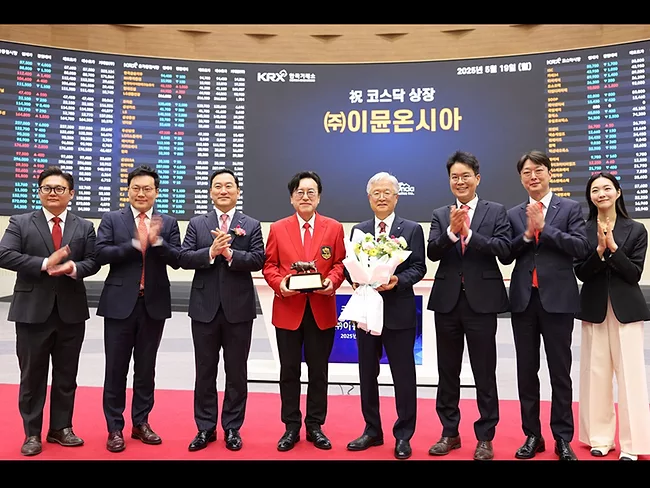
Immuneoncia Therapeutics Inc. raised ₩33.9 billion (US$24 million) from its Kosdaq listing May 19. Shares closed at ₩7,500 – 108% higher than its offering price of ₩3,600 per share. Immuneoncia, a joint venture founded in 2016 between Seoul, South Korea-based Yuhan Corp. and San Diego-based Sorrento Therapeutics Inc., noted that the funds will support R&D operations until 2026.
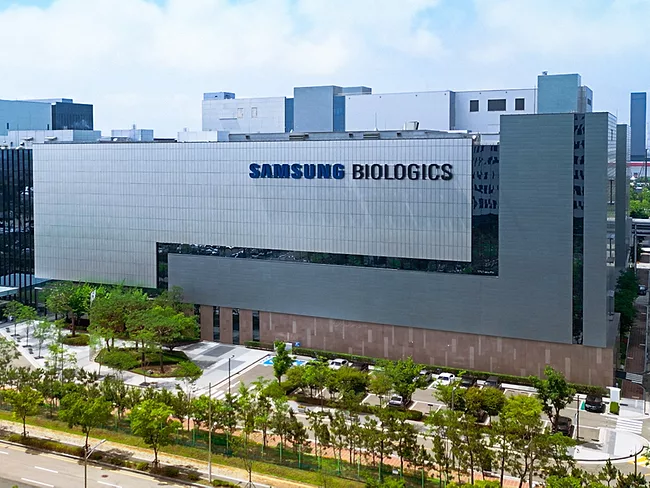
Samsung Biologics Co. Ltd. plans to establish a new holding company and to spin off its biosimilar division, Samsung Bioepis Co. Ltd., by October. The corporate restructuring will draw clear lines between Samsung Biologics’ CDMO operations and Samsung Bioepis’ biosimilar business.
Annji Pharmaceutical Co. Ltd.’s rosolutamide (AJ-201, JM-17) achieved positive results in a phase I/II trial in adults with spinal and bulbar muscular atrophy, also known as Kennedy’s disease.
Alteogen Inc. completed a merger between two subsidiaries – Altos Biologics Inc. and Alteogen Healthcare Inc. – branding the new entity as Alteogen Biologics Inc.
Adalta Ltd. is outlicensing all of its internal products and focusing instead on inlicensing early stage T-cell assets from Asia, mostly from China, Adalta CEO Tim Oldham told BioWorld. Dubbed its “East to West” strategy, Adalta is integrating Asia's prowess in T-cell therapy development with the efficiency and quality of Australia's clinical and manufacturing ecosystem to create a pathway connecting Eastern innovation in cellular immunotherapies with Western regulated markets and patients.
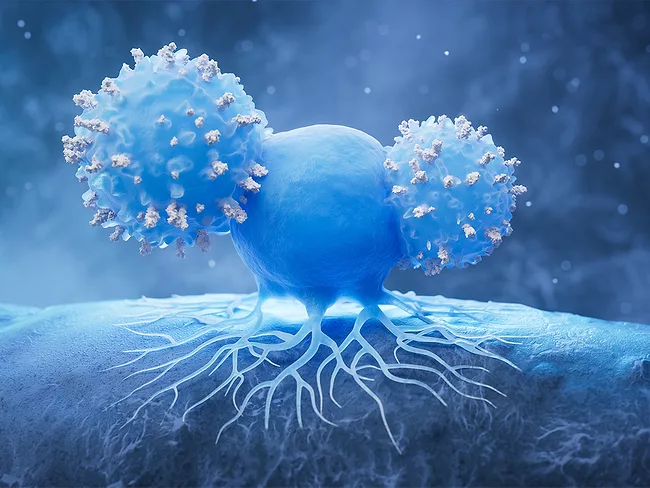
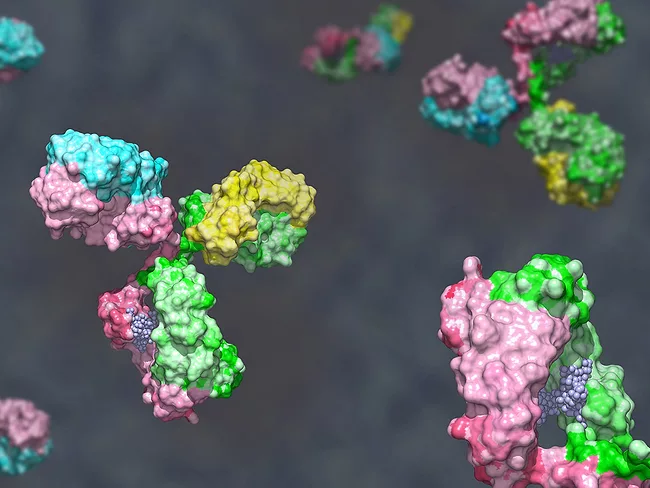
Although HER2-targeted therapies have become a mainstay in cancer treatment, some tumors evade them by stripping away the portion of the HER2 receptor that most therapies are built to recognize and bind to, but Taiwan’s AP Biosciences Inc. is developing bispecific antibody AP-402 to address treatment-resistant HER2+ cancers.
Apimeds Pharmaceuticals US Inc. (APUS), a subsidiary of Kospi-listed Inscobee Inc., said May 12 that it raised $13.5 million from its stock sale on the NYSE American exchange May 9 through an offering of 3.375 million shares at $4 per share. Hopewell, N.J.-based APUS is the second pharmaceutical company with Asian ties to float shares on the U.S. market this year.
Rznomics Inc. scored a potential ₩1.9 trillion (US$1.35 billion) global license option agreement with Eli Lilly and Co. to codevelop a novel RNA editing gene therapy to treat hereditary hearing loss.
 RSS
RSS