Early clinical data from Simcere Pharmaceutical Group Ltd. suggest its PD-L1/IL-15 bispecific antibody, SIM-0237, could emerge as a next-generation contender in Bacillus Calmette-Guérin-unresponsive non-muscle-invasive bladder cancer.
Australia is attempting a once-in-a-generation reset of its innovation system, and biotech industry leaders have lauded the federal government’s independent review into Australia's slipping R&D ranks and its proposals to reverse the decline.
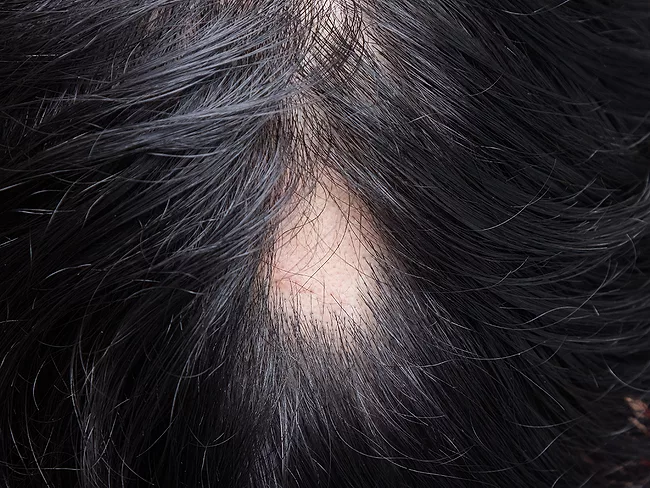
Kintor Pharmaceutical Ltd.’s topical androgen receptor antagonist, pyrilutamide (KX-826), met the primary endpoint in a pivotal phase III trial in male androgenetic alopecia, and the company will soon file an NDA with China’s National Medical Products Administration.
U.S. lawmakers and industry experts are raising alarm over China’s expanding dominance across the pharmaceutical supply chain, warning that reliance on Chinese inputs poses a growing national security and public health risk.
Gilead Sciences Inc. said after U.S. market close March 23 that it will acquire privately held Ouro Medicines LLC and its autoimmune BCMA/CD3 bispecific T-cell engager, gamgertamig, in a deal valued at $2.17 billion.
Australia has released the first clinical practice guideline for the appropriate use of methylenedioxymethamphetamine-assisted psychotherapy for post-traumatic stress disorder, but clinicians caution that evidence, infrastructure and access remain works in progress.
Otsuka Pharmaceutical Co. Ltd. reaped positive results from an open-label phase II study of repinatrabit (JNT-517) in adolescents with phenylketonuria (PKU), a rare disease marked by the inability to break down the amino acid phenylalanine.
Immutep Ltd.’s stock on Australia’s Securities Exchange plummeted nearly 90% on March 13 on the news that its phase III TACTI-004 trial evaluating eftilagimod alfa (IMP-321, efti) in first-line non-small-cell lung cancer was discontinued due to futility.
Multi-modality platform company Kanaph Therapeutics Inc. raised ₩40 billion (US$26.7 million) through its Kosdaq stock sale March 16, becoming the first Korean biotech to go public this year. The Seoul-based company’s shares (KOSDAQ:0082N0) climbed to ₩70,000 in intraday trading before closing at ₩50,600 – 153% higher than the offering price.
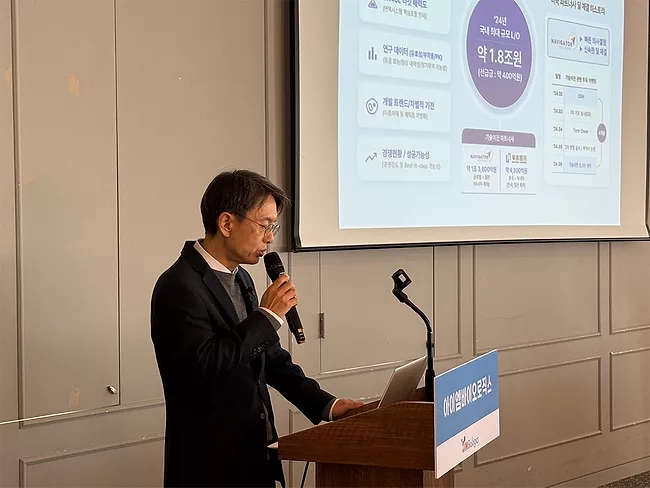
Two biotech and three med-tech companies are slated for Kosdaq debuts this month, signaling a potential rebound for Korea financings in 2026. Kanaph Therapeutics Inc. will open with a ₩40 billion (US$26.99 million) raise and Imbiologics Corp. will debut with ₩52 billion. Additionally, Mezoo Co. Ltd., Cosmo Robotics Co. Ltd. and Recensmedical Inc. will launch IPOs.
 RSS
RSS