Total biopharma financing through the first five months of 2026 reached $49.46 billion, the third-highest total for the period in the dataset and more than doubling of 2025’s $21.4 billion over the same stretch.
After a major breach of trust when its data were advertised for sale in China, the UK Biobank will now attempt to recall data previously downloaded by legitimate researchers and seek assurances information has been deleted from local servers.
Innovent Biologics Co. Ltd.’s Claudin18.2-targeted antibody-drug conjugate (ADC), arcotatug tavatecan (IBI-343, TAK-921), met the primary endpoint in the international multicenter phase III G-Hope-001 trial in advanced gastric cancer, according to interim results.
If the 2026 American Society of Clinical Oncology (ASCO) annual meeting in Chicago from May 30 to June 3 demonstrated anything about the evolution of China’s biotechnology sector, it was that the industry’s center of gravity is shifting. While Chinese companies once relied heavily on PD-1 antibodies and licensing deals to gain international visibility, this year’s oral presentations showcased a broader innovation base.
Agios Pharmaceuticals Inc.’s potential $665 million deal for Oscotec Inc.’s cevidoplenib, a phase III-ready oral SYK inhibitor to treat immune thrombocytopenia, marks a new chapter of development focused on cancer therapy resistance for Oscotec, CEO Yoon Tae-young said.
The recent introduction of the bipartisan Biotech Investment National Security Act in the U.S. House has industry and venture capitalists urging lawmakers to take a breath, step back, and consider a less invasive approach than restricting U.S. biopharma deals with Chinese innovators.
China’s National Medical Products Administration (NMPA) on June 4 granted conditional approvals to two oncology drugs from Lupeng Pharmaceutical Co. Ltd. and Vcare Pharmatech Co. Ltd., as well as one hemophilia drug developed by Staidson Biopharmaceutical Co. Ltd.
Japan has granted marketing approval to Oncolys Biopharma Inc.’s oncolytic adenovirus product, Telomelysin (suratadenoturev, OBP-301), for treating esophageal cancer in patients who are not eligible for curative resection or chemoradiotherapy. The approval marks the first oncolytic adenovirus product approved for esophageal cancer.
Wuxi Apptec isn’t going down without a fight after the U.S. Department of Defense added it to the Section 1260H list June 8 as a designated “Chinese military company,” which makes it a “biotechnology company of concern” under the Biosecure Act. “Such designation is mistaken and baseless,” the global contract research, development and manufacturing organization said in an open letter to its life sciences partners. “We will pursue every available avenue to correct this mistake.” That includes appealing the designation.
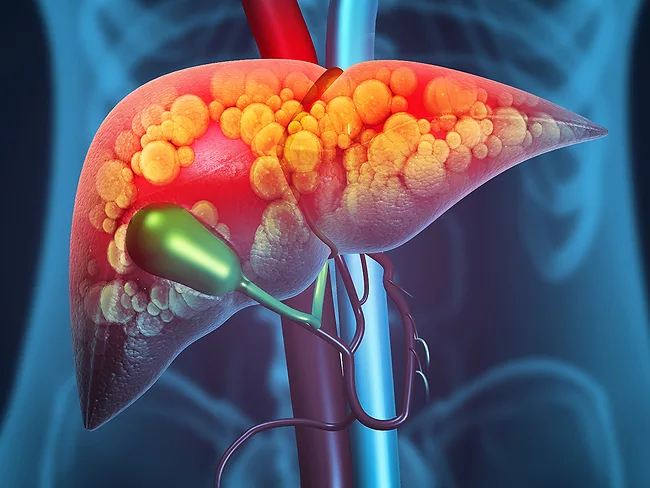
D&D Pharmatech Inc. announced May 27 positive top-line tissue biopsy results of zabopegdutide (DD-01) from a 48-week phase II study of metabolic dysfunction-associated steatohepatitis (MASH), pushing company shares up 30% on the day.

 RSS
RSS