Japan is backing conditional approvals of Amchepry (raguneprocel, Sumitomo Pharma Co. Ltd./Racthera Co. Ltd.) and Reheart (Cuorips Inc.), positioning them to become the world’s first induced pluripotent stem cell-derived (iPSC) therapies to receive regulatory clearance.
Ascletis Pharma Inc. raised HK$843.53 million (US107.93 million) in a placement on the Hong Kong Stock Exchange to advance its lead program, ASC-30, a small-molecule glucagon-like peptide-1 (GLP-1) receptor agonist that can be dosed once monthly subcutaneously and once daily orally for treating obesity.
The U.S. FDA accepted, with priority review, Takeda Pharmaceutical Co. Ltd.’s NDA submission for oveporexton (TAK-681), bringing the oral orexin receptor 2 agonist closer to clearance in narcolepsy type 1.
Continuing to build on the successful launch of Rezdiffra (resmetirom), Madrigal Pharmaceuticals Inc. is adding six preclinical-stage siRNA therapies to its metabolic dysfunction-associated steatohepatitis (MASH) pipeline in a deal with Ribo Life Science Co. Ltd. and its subsidiary, Ribocure Pharmaceuticals AB, that could be worth $4.4 billion if all milestones are achieved.
After closing an oversubscribed $85 million series B round, Quantx Biosciences Inc. is gearing up to begin clinical trials of its two lead immunology compounds, a STAT6 oral small-molecule inhibitor and an IL-17 oral small-molecule inhibitor.
A world-first pediatric mRNA cancer vaccine trial is launching in Australia that could open new possibilities for children with aggressive brain tumors.
A project that started as a bioreactor to assist astronauts in deep space to keep medications safe in a microgravity environment could help pharma companies model how drugs behave in the human body.
The scale of the $8.5 billion deal signed between Innovent Biologics Inc. and Eli Lilly and Co. is eye-catching, but the structure is the real signal. By shifting phase II oncology development to China while reserving global rights ex-greater China, the partners are testing a model that could reshape how multinational drugmakers source innovation as well as how Chinese biotechs create value.
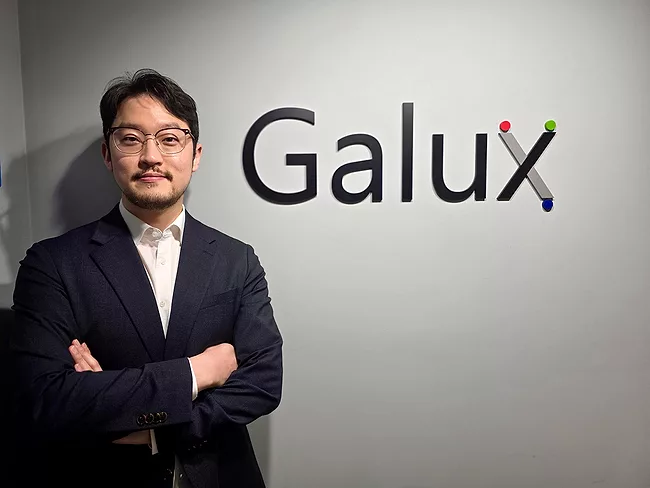
Galux closed a ₩42 billion (US$29 million) series B round Feb. 10, led by Yuanta Investment to bring AI-driven “rational design” to the protein drug development process, already heavily influenced by human engineering.
 RSS
RSS


.webp?height=488&t=1770931675&width=650 "Interleukin 17 (IL-17)")