Surgical robotics maker Shenzhen Edge Medical Co. Ltd. reported its initial public offering on the Hong Kong Stock Exchange to raise HKD$1.19 billion (US$154 million) to advance its pipeline of surgical robotic systems and expand its geographic footprint to markets outside China.
IPOs top the list of the big stories in 2025 in med tech. Thirty med-tech companies went public, raising nearly $12 billion, two orders of magnitude more than in 2023 and almost 20 times more than raised in 2024.
Advanced Biomed Inc. reported Dec. 30 the sale of its wholly owned Hong Kong subsidiary, Advanced Biomed (HK) Ltd., and related intellectual property to buyer Wei Ha Hui for $23,000.
Bayosthiti AI Pvt Ltd. aims to make RNA sequencing and AI-based preventive health care affordable and accessible for the Indian market, leveraging intellectual property from its parent company, Biostate AI Inc.
Asia, led by China, is no longer just following global pharma trends. It is helping to shape them, and for investors, innovators and policymakers, the question is no longer whether to engage with Asia, but how to engage wisely in this new, more complex world.
Hutchmed (China) Ltd. has moved closer to establishing China’s first domestically developed FGFR-targeted therapy for intrahepatic cholangiocarcinoma, after the National Medical Products Administration (NMPA) accepted its NDA for fanregratinib (HMPL-453) and granted the drug priority review.
Hanx Biopharmaceuticals (Wuhan) Co., Ltd. raised HK$586 million (US$75.37 million) in its IPO on the Hong Kong Securities Exchange (HKEX:3378) on Dec. 23 to advance its clinical stage immuno-oncology pipeline.
China’s National Medical Products Administration approved Innovent Biologics Inc.’s NDA for Tabosun (ipilimumab N01, IBI-310) in combination with sintilimab as neoadjuvant treatment for stage IIB-III resectable microsatellite instability-high or mismatch repair deficient colon cancer.
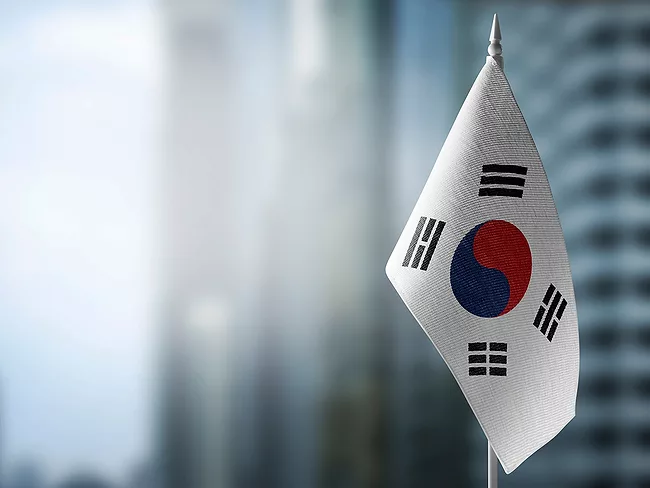
U.S. policy, China’s strategic rise, blockbuster deals and AI dominated South Korea’s biotechnology industry this year, with U.S. tariffs and the Biosecure Act’s hitch onto 2026 legislation serving as major topics of speculation.
U.S. policy, China’s strategic rise, blockbuster deals and AI dominated South Korea’s biotechnology industry this year, with U.S. tariffs and the Biosecure Act’s hitch onto 2026 legislation serving as major topics of speculation.
 RSS
RSS



-12-31.webp?height=488&t=1767210422&width=650 "Advanced Biomed’s A+Perfusc 3D cell culture system")