As it prepares to present the latest data from the phase I/II clinical trial of EO-2463, Enterome SA has secured $19 million to expand and complete the study, and to scope phase III development of the microbiome-derived off-the-shelf immunotherapy in the treatment of non-Hodgkin lymphoma.
Newco Elkedonia SAS has raised €11 million (US$12.7 million) in a seed round, which will fund it to take a potentially first-in-class ELK-1 inhibitor into the clinic in the treatment of refractory depression. ELK-1 plays a pivotal role in neuroplasticity and in reward circuits in the brain, which when disrupted can lead to depression, addiction and post-traumatic stress disorder.
Three years after litigation started over technology used in an mRNA vaccine for COVID-19, Biontech SE is acquiring its adversary, Curevac NV, through an all-stock transaction valued at about $1.25 billion. The amount is lower than the $3 billion in backpay Curevac could win through the lawsuit if a low mid-single-digit royalty were awarded, Evercore ISI analysts Jon Miller and Umer Raffat said. But the legal uncertainty has weighed heavily on the company, which shed 30% of its workforce last July and sold off rights to two of its infectious disease vaccines.
The U.K. government has doubled the rate that pharmaceutical companies must repay on sales of branded drugs, under the statutory rebate scheme, to a record 31.3%. Only 1-2% of total sales of branded drugs fall under the statutory scheme, but the increase is seen as a sign that an ongoing review of the voluntary scheme is not going well.
Philochem AG’s ligand-targeting approach drew to the table Bristol Myers Squibb Co. in a potential $1.35 billion agreement granting BMS subsidiary Rayzebio Inc. exclusive worldwide rights to OncoACP3, a diagnostic and therapeutic candidate targeting prostate cancer.
Three months after dosing the first patient with its dual vector gene therapy, Splicebio SL has closed a $135 million series B to fund the phase I/II trial of SB-007 in the treatment of Stargardt’s disease to completion. Other adeno-associated viru gene therapies for the inherited retinal disorder have entered the clinic, but SB-007 is the first with the capacity to deliver a full version of the ABCA4 gene that underlies Stargardt’s.
Aribio Co. Ltd. signed a $600 million license deal with Acino International AG, an Arcera Life Sciences subsidiary, granting the latter commercial rights to its oral Alzheimer’s disease therapy, AR-1001, in select countries including the Middle East.
The U.K. Medicines and Healthcare products Regulatory Agency (MHRA) has issued its first official guidance on how to develop bacteriophages as licensed medicinal products. This covers personalized phage therapies designed for specific patients – at present the only form in which they are available – but also is relevant to the development of off-the-shelf products for treating common infections.
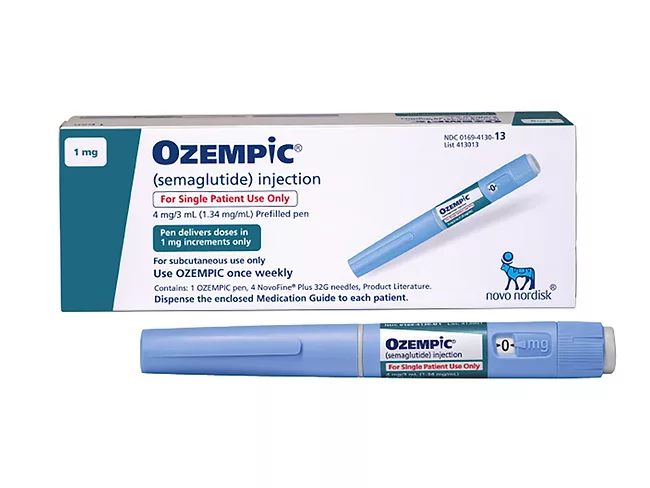
The EMA’s safety committee has issued a warning that the GLP-1 receptor agonist Ozempic (semaglutide, Novo Nordisk A/S) can cause an acute eye condition in which the optic nerve is damaged by a sudden loss of blood supply. After reviewing several large epidemiological studies, clinical trial and in-market data, EMA’s Pharmacovigilance Risk Assessment Committee has concluded non-anterior ischemic optic neuropathy is a “very rare” side effect of Ozempic, that “may affect up to one in 10,000 people taking semaglutide.
The EMA has issued a new guideline on how to include and/or retain pregnant and breastfeeding women in clinical trials, in a move that it says “marks a change in the paradigm.” The aim is to ensure that trial sponsors generate robust clinical data in these populations.

 RSS
RSS