Italian family-owned Angelini Pharma SpA is making its first move into the U.S. market, acquiring rare diseases specialist Catalyst Pharma Inc. in an all-cash deal worth $4.1 billion. The acquisition gives Angelini ownership of three marketed drugs for treating epilepsy and neuromuscular diseases that had combined sales of $589 million in 2025, a 19.8% increase over 2024.
News of eight infections and three deaths so far due to an emerging zoonotic virus has brought back unhappy memories of the early days of SARS-CoV-2. At a press conference on Thursday, officials from the WHO did their best to calm the public’s fears that the MV Hondius, the ship currently heading to the Canary Islands with its remaining passengers plus assorted medical, WHO and European Center for Disease Prevention and Control staff, is the 2026 version of the Diamond Princess.
Privately-funded biotechs in Switzerland raised a record CHF1.15 billion (US$1.47 billion) in 2025, an increase of 38% over 2024, and 45% of the total capital raised by the sector. This was a significant advance on previous years, when private companies typically attracted about 30% of overall investment.
In its first substantial M&A transaction since 2021, Bayer AG is buying Perfuse Therapeutics Inc., a firm that has operated quietly, though it reported positive midstage data last year for PER-001, an endothelin antagonist, in glaucoma and diabetic retinopathy.
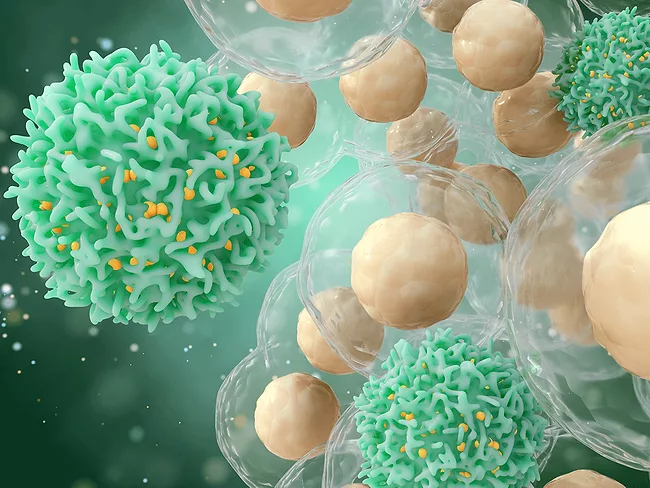
UCB SA agreed to pay $2 billion up front to acquire bispecific T-cell engager (TCE)-maker Candid Therapeutics Inc. and lead BCMA/CD3 TCE asset cizutamig (CND-106), continuing big pharma’s spree for China-made autoimmune assets in 2026.
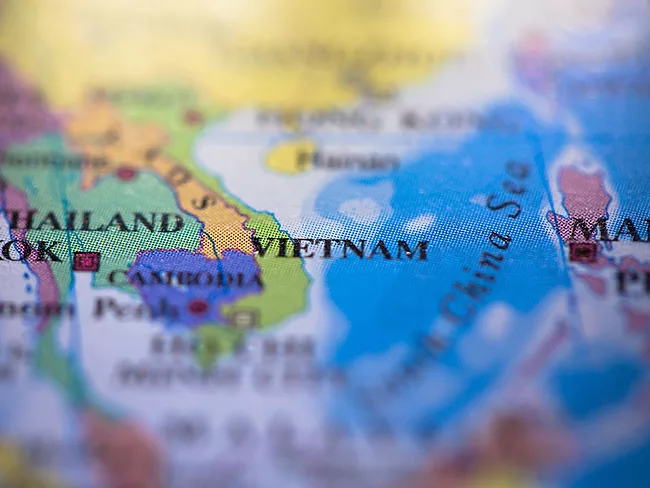
For the first time in 13 years, the U.S. Trade Representative (USTR) singled out one of the U.S. trading partners as the worst of the worst when it named Vietnam as a Priority Foreign Country (PFC) in its newly released Special 301 Report.
Amid calls for transparency on the most-favored nation (MFN) pricing deals U.S. President Donald Trump has reached with 17 biopharma companies, the White House Council of Economic Advisers released a report May 5 detailing how the volunteer MFN policy works and touting the $530 billion-plus in savings it’s projected to deliver over the next 10 years.
Next-generation T-cell engager (TCE) specialist Cytospire Therapeutics Ltd. has raised £61 million (US$82.7 million) in a series A round, equipping it to advance the lead program CYT-X300 to the clinic in the treatment of EGFR-positive solid tumors. The company’s pan gamma delta (γδ) TCEs are designed to overcome problems with cytokine release syndrome, on-target effects on healthy cells, and the excessive activation of CD3 that have occurred with earlier bispecific antibodies that bind to the CD3 receptor on T cells.
UCB SA agreed to pay $2 billion up front to acquire bispecific T-cell engager (TCE)-maker Candid Therapeutics Inc. and lead BCMA/CD3 TCE asset cizutamig (CND-106), continuing big pharma’s spree for China-made autoimmune assets in 2026.
For the first time in 13 years, the U.S. Trade Representative (USTR) singled out one of the U.S. trading partners as the worst of the worst when it named Vietnam as a Priority Foreign Country (PFC) in its newly released Special 301 Report.
 RSS
RSS