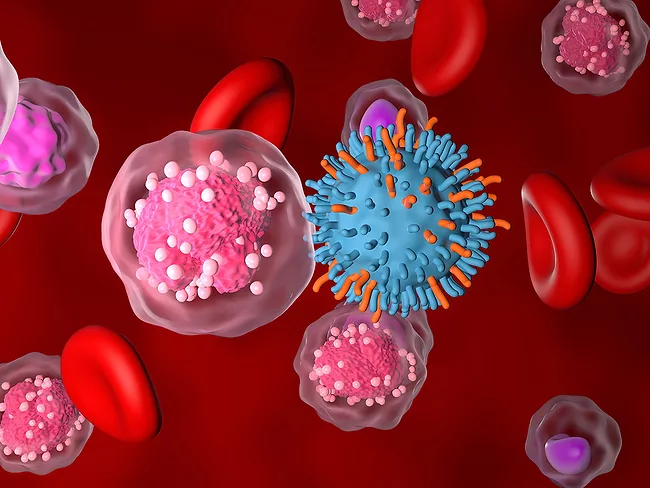
Alentis Therapeutics SA is poised to expand its reach in Claudin-1 biology, after closing a $181.4 million series D that will fund phase I/II trials of two antibody-drug conjugates (ADCs) targeting the transmembrane protein, which is overexpressed on a number of squamous cell tumors.
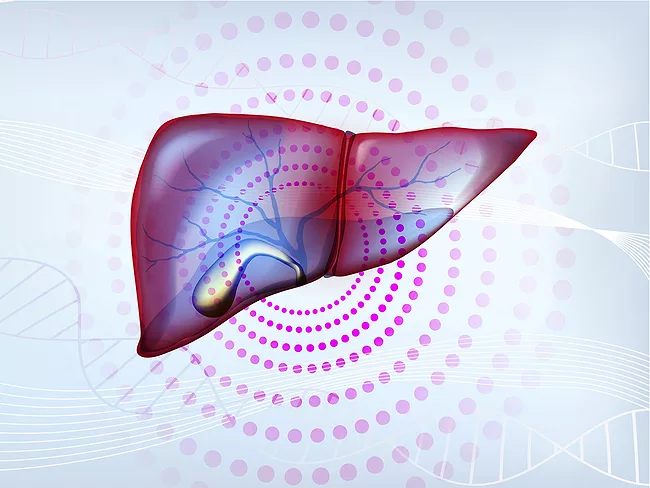
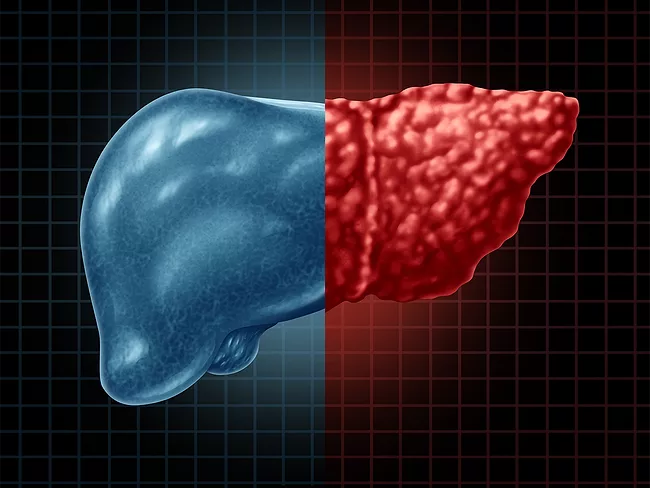
Positive findings from a phase III trial of semaglutide in metabolic dysfunction-associated steatohepatitis (MASH) is moving Novo Nordisk A/S to expand the glucagon-like peptide-1 (GLP-1) agonist’s indications in the U.S. and Europe, the Danish pharma said, as the MASH field sights more novel therapies.
Autolus Therapuetics plc has been granted FDA approval for Aucatzyl (obecabtagene autoleucel) for the treatment of acute lymphoblastic leukemia in adults, becoming the first marketed CAR T therapy that does not have a risk evaluation and mitigation strategy attached to its label. The approval of Aucatzyl was based on results of the Felix clinical trial in relapsing/remitting ALL, which showed a strong safety profile compared to existing CAR T-cell therapies. The conduct of the trial was dogged by the COVID-19 pandemic, but of the 65 patients from an initial dosed cohort of 95 for whom efficacy was evaluated by the FDA, 63% achieved overall complete remission.
Microbiome specialist Enterobiotix Ltd. has reported positive results for the phase Ib trial of its EBX-102 fecal microbiota therapy in patients with stable liver cirrhosis. The placebo-controlled study involved first-in-human dosing with the company’s encapsulated oral formulation of microbiota derived from the stools of healthy donors. After initial dosing, patients were followed up for 12 weeks to assess changes in a range of clinical and blood biomarkers.
Hyperfine Inc. gained CE mark approval for the latest generation of its artificial intelligence-powered software for its Swoop portable magnetic resonance imaging system, under the European Medical Device Regulation.
Ifast Diagnostics Ltd. raised $6.5 million (£5 million) in seed funding to bring its rapid Antimicrobial Susceptibility Testing (AST) platform to the market. The company’s technology is vital in the fight against antimicrobial resistance and the funds will be used to conduct clinical trials to get the product to the market in the U.K., U.S. and EU, CEO Toby King, told BioWorld.
Ifast Diagnostics Ltd. raised $6.5 million (£5 million) in seed funding to bring its rapid Antimicrobial Susceptibility Testing (AST) platform to the market. The company’s technology is vital in the fight against antimicrobial resistance and the funds will be used to conduct clinical trials to get the product to the market in the U.K., U.S. and EU, CEO Toby King, told BioWorld.
Positive findings from a phase III trial of semaglutide in metabolic dysfunction-associated steatohepatitis (MASH) is moving Novo Nordisk A/S to expand the glucagon-like peptide-1 (GLP-1) agonist’s indications in the U.S. and Europe, the Danish pharma said, as the MASH field sights more novel therapies.
“I think elections are like pregnancy. … Everyone puts all of the energy into D-day – the birth. We’ve had the gender reveal, but what really, really matters is what happens now and the path ahead.” That was the instant response of Emma Walmsley, CEO of GSK plc, reacting to breaking news from the U.S. that Donald Trump has won a second term in office.
 RSS
RSS