South Korea’s pharmaceutical exports rose nearly 18% year-on-year to reach $2.56 billion in the first quarter (Q1) this year, according to the Korea Health Industry Development Institute. Medical device exports, however, dropped about 5% in Q1 2025 to $1.39 billion, attributed to a drop in trade of implant products to both China and the U.S.
Aribio Co. Ltd. signed a $600 million license deal with Acino International AG, an Arcera Life Sciences subsidiary, granting the latter commercial rights to its oral Alzheimer’s disease therapy, AR-1001, in select countries including the Middle East.
Newel Health srl received CE mark certification under the European Medical Device Regulation for Amicomed, its digital therapeutic solution for hypertension management. The app, which was cleared as a class IIa medical device, provides clinical insights and behavioral tools to help individuals manage their blood pressure.
The European Commission is seeking feedback from stakeholders on the oversight of high-risk AI products, one objective of which is to develop a series of guidelines for classification of high-risk AI systems – a consideration of great interest to med-tech firms doing business in the EU.
The U.K. Medicines and Healthcare products Regulatory Agency (MHRA) has issued its first official guidance on how to develop bacteriophages as licensed medicinal products. This covers personalized phage therapies designed for specific patients – at present the only form in which they are available – but also is relevant to the development of off-the-shelf products for treating common infections.
Aiatella Oy secured €2 million (US$2.28 million) in funding for its AI-powered cardiovascular imaging technology. The funds will be used to conduct clinical trials and develop the company’s ultrasound-based preventative screening tool, which detects and quantifies carotid artery narrowing in minutes.
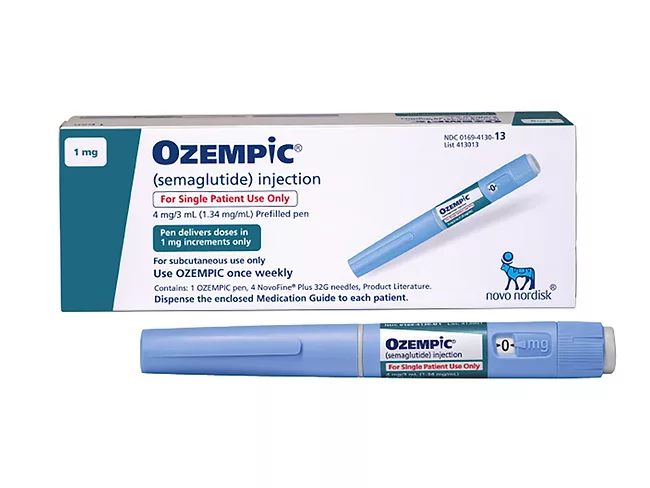
The EMA’s safety committee has issued a warning that the GLP-1 receptor agonist Ozempic (semaglutide, Novo Nordisk A/S) can cause an acute eye condition in which the optic nerve is damaged by a sudden loss of blood supply. After reviewing several large epidemiological studies, clinical trial and in-market data, EMA’s Pharmacovigilance Risk Assessment Committee has concluded non-anterior ischemic optic neuropathy is a “very rare” side effect of Ozempic, that “may affect up to one in 10,000 people taking semaglutide.
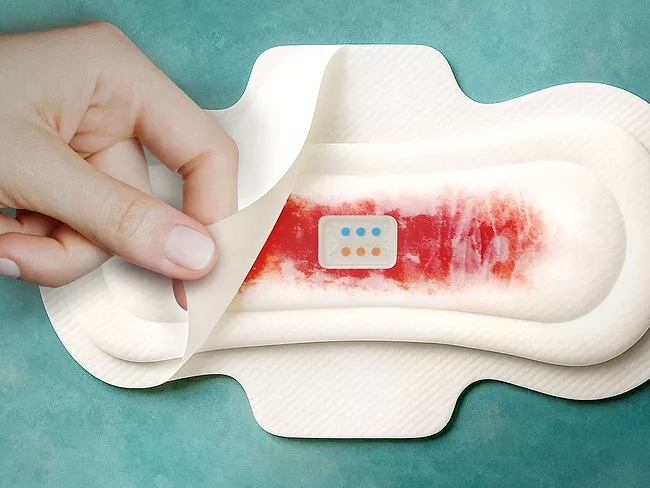
Researchers at ETH Zürich developed Menstruai, a device that detects in menstruation blood biomarkers associated with certain diseases. Menstruai uses a sensor built into a sanitary pad and changes color if certain biomarkers are present. The first of its kind technology has the potential to enable the early detection of diseases and transform women’s health care.
The EMA has issued a new guideline on how to include and/or retain pregnant and breastfeeding women in clinical trials, in a move that it says “marks a change in the paradigm.” The aim is to ensure that trial sponsors generate robust clinical data in these populations.
 RSS
RSS