Lunit Inc. is the latest South Korean firm to gain the U.S. FDA’s 510(k) clearance for Lunit Insight DBT, its artificial intelligence (AI)-powered breast cancer diagnostic tool that analyzes digital breast tomosynthesis (DBT) images, boosting its efforts to enter the U.S. market. The company also reported that it secured $150 million in a public offering.
The artificial intelligence (AI) space doesn’t exactly lack for stakeholders, but the roster of stakeholders in the U.S. is poised to grow by hundreds of millions, according to Laura Adams, senior advisor at the U.S. National Academy of Medicine.
In the following years, 2023 may come to be seen in medical device circles as the year of artificial intelligence (AI), but that doesn’t mean that 2023 will be seen as the year of regulatory clarity for AI.
Day Zero Diagnostics Inc. and Oxford Nanopore Technologies plc (ONT) joined forces to battle the leading cause of death in hospitals — sepsis. Combining Day Zero’s whole genome sequencing technology for pathogen identification and antimicrobial susceptibility analysis with Oxford’s nanopore-based molecular sensing technology, the companies aim to develop a diagnostic system that provides potentially life-saving identification and guidance on antimicrobial selection in mere hours.
Olympus Corp., of Center Valley, Pa., reported Nov. 9 a voluntary field corrective action for bronchoscopes prompted by complaints of endobronchial combustion during procedures that involve the use of high-frequency (HF) therapy equipment.
Therabionic GmbH received U.S. FDA humanitarian device exemption (HDE) for its P1 device for at-home treatment of hepatocellular carcinoma, which accounts for 80% of all liver cancers, in patients who have failed first- and second-line therapies.
Researchers from the University of Michigan have filed for patent protection of methods and systems to identify actual esophageal tissue changes and/or damage during cardiac ablation procedures.
The America Invents Act of 2011 was designed to provide a durable overhaul of the U.S. patent system, but the inter partes review (IPR) process has drawn fire from inventors as a patent-killing machine. The Senate is considering a new bill to address some of these concerns, but witnesses at a hearing this week were anything but united in their assessment of the status quo, making it difficult to forecast the fate of this latest effort at patent reform.
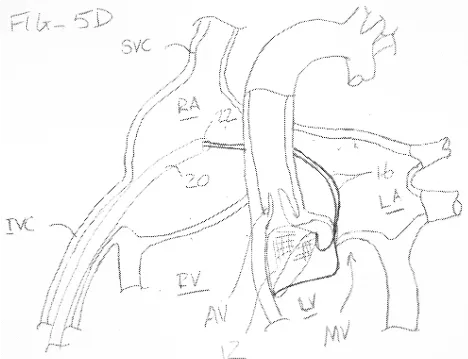
Emboline Inc. is seeking patent protection for methods and apparatus for embolic protection during cardiac procedures being performed on atrial outlet valves, namely, the mitral and tricuspid valves.
A number of recent developments in artificial intelligence (AI) have sent some reassurance that these algorithms will not hit the market completely devoid of regulation, but a Nov. 8 hearing in the U.S. Senate makes clear that Capitol Hill is intent on legislating on AI, even if only belatedly.
 RSS
RSS