In a draft guidance released May 2, the U.S. FDA provided recommendations for sponsors, investigators and other stakeholders for implementation of decentralized clinical trials (DCTs) to advance research in medical devices, drugs and biologics. This week’s announcement responds to the Food and Drug Omnibus Reform Act, signed into law late last year, which required the agency to “issue or revise draft guidance that includes recommendations to clarify and advance the use of decentralized clinical studies to support the development of drugs and devices.”
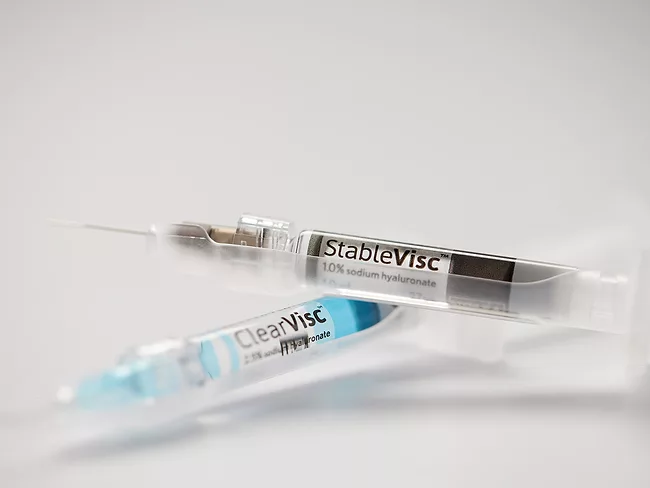
Bausch + Lomb Corp. reported its U.S. launch of an ophthalmic viscosurgical device (OVD) designed to protect patients during cataract surgery. The Totalvisc viscoelastic system is a dual action chemical protection system that employs viscoelastics which have the properties of both a fluid and an elastic. Unlike its competitors it also features sorbitol to eliminate free radicals that cause oxidative damage in eye tissue.
Elidah Inc. expanded its line of U.S. FDA-cleared, over-the-counter devices to reduce or eliminate urinary incontinence in women with the launch of Elitone Urge for urge incontinence. The device is a muscle stimulator that can be worn under clothes as the user goes about her day and rebuilds muscle tone.
The new bedside monitor Carescape Canvas will work in tandem with the Carescape One acquisition device also developed by GE Healthcare Technologies Inc. and cleared for sale in the U.S. in 2019. Together, they scale up or down monitoring capabilities based on the acuity of each individual patient and according to the company provide sufficient flexibility to monitor patients across different health care settings within a hospital.
Dexcom Inc. posted a 19% increase in first quarter revenues compared to 2022 boosted by a stunning 27% organic growth in sales outside the U.S. With clearance of the G7 device in hand, another record set in new patient starts and coverage of continuous glucose monitoring (CGM) systems by CMS effective this month, the year is shaping up to be quite rosy for the diabetes device company.
Ultromics Ltd. has been granted a U.S. FDA breakthrough device designation for its artificial intelligence (AI)-enhanced platform to aid early diagnosis of cardiac amyloidosis. Echogo Amyloidosis uses AI to analyze echocardiograms and detect the presence of cardiac amyloidosis, using a single commonly acquired ultrasound view of the heart. The platform was developed with the support of Janssen Biotech Inc., part of the Janssen Pharmaceutical Companies, a unit of Johnson & Johnson.
Dublin-based Medtronic plc, and the U.S. FDA have wrapped up their discussion of the December 2021 warning letter for the company’s manufacture of continuous glucose monitors, clearing a hurdle that was critical in restoring the company’s footprint in the U.S. market. Left unanswered from the resolution of the warning letter is whether the FDA believes that device makers need to track the number of devices in distribution vs. those in actual use in order to properly calculate the risk of device failure based on postmarket surveillance.
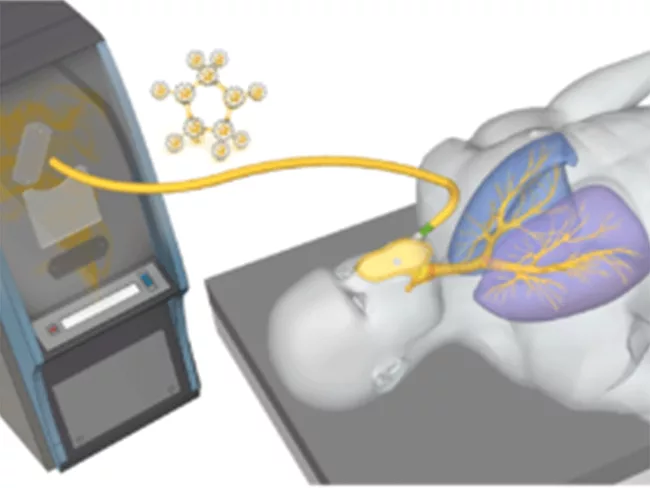
After receiving a U.S. FDA complete response letter nearly two years ago, Cyclopharm Ltd. said the agency has accepted its response and reset the clock for the NDA review of its Technegas combination product for pulmonary embolisms, with a new PDUFA date set for Sept. 29.
The U.S. Supreme Court has declined to hear a case that tests the notion that artificial intelligence (AI) can be an inventor, a development that may be nothing more than the beginning of the AI-as-inventor story under U.S. law. The Patent and Trademark Office’s (PTO) April 25 webinar on the subject included some remarks that AI could be used to produce a tsunami of potentially duplicative patent applications, but the event demonstrated that there is almost no at-large support for AI-as-inventor, suggesting that the status quo will stand for the time being.
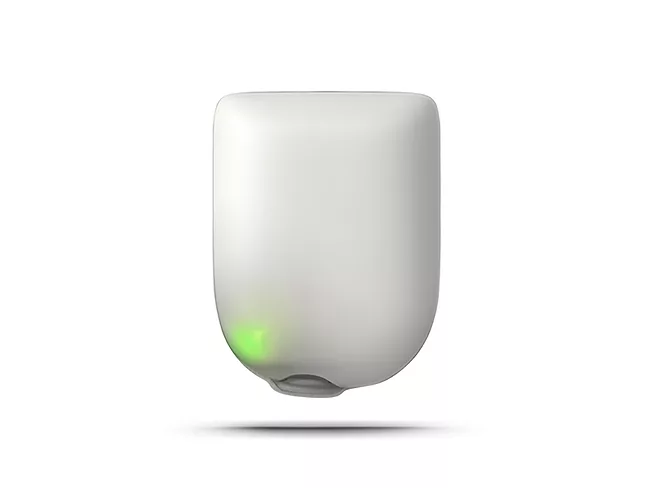
Insulet Corp. has taken the lead in the race to bring insulin delivery systems to individuals with type 2 diabetes with U.S. FDA clearance of its Omnipod Go device. The delivery system is adapted for use by adults who use once-a-day basal insulin. The company plans to roll out Go in 2024.

 RSS
RSS