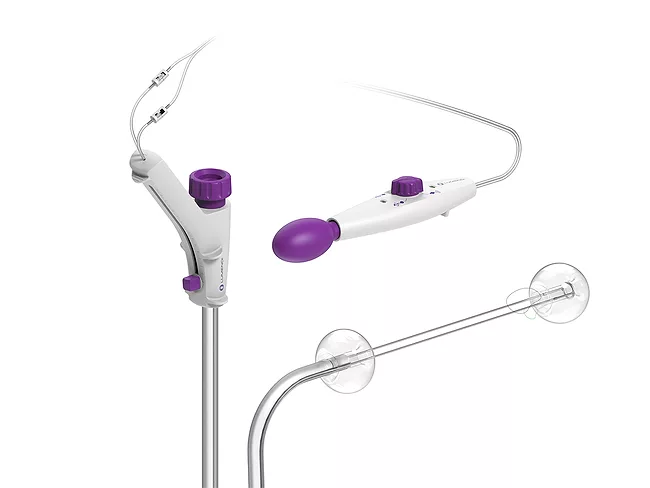
The potential for neurological complications, including seizures and stroke, is a growing concern with COVID-19 patients. To ensure rapid diagnosis and treatment, Ceribell Inc., a Mountain View, Calif.-based startup, is deploying its cloud-linked, portable electroencephalogram (EEG) device to enable EEG assessments in minutes in emergency rooms and intensive care units.
The COVID-19 pandemic has fueled an unprecedented uptick in telehealth use, from medical and behavioral health services to remote patient monitoring, as federal and state regulators have relaxed certain policy restrictions to increase access to care. Sen. Lamar Alexander (R-Tenn.) recommended in a Senate hearing that certain temporary policy changes, such as elimination of the “originating site” rule and expansion of Medicare- and Medicaid-covered telehealth services, should be lasting to ensure patients retain health care access when the crisis is over.
Policymakers in the U.S. are grappling with a disastrous pandemic as well as long-standing political tensions, but one aspect of the COVID-19 pandemic that might unify them is the need to ensure that patients in the U.S. are not at the mercy of other nations for needed diagnostics and therapies.
The patent lawsuit between Merck & Co. and Microspherix LLC began when the latter sued Merck for infringement of patents for brachytherapy in Merck’s implantable contraceptive device, but Merck was unable to prevail in an inter partes review (IRP) or in an appeal of the IPR at the Court of Appeals for the Federal Circuit. After wading through questions about purported prior art, Merck failed to persuade the two courts that Microspherix’s non-provisional filing had strayed too far from the written description of the related provisional, thus handing Microspherix a win against its much larger rival in the market for drug delivery with microspheres.
Partners Adaptive Biotechnologies Corp., which is based in Seattle, and Redmond, Wash.-based Microsoft Corp. have started sharing an open database that details the immune response in COVID-19 patients with researchers and public health officials. The project is analyzing thousands of de-identified patient blood samples submitted from institutions around the world and is dubbed ImmuneCODE.
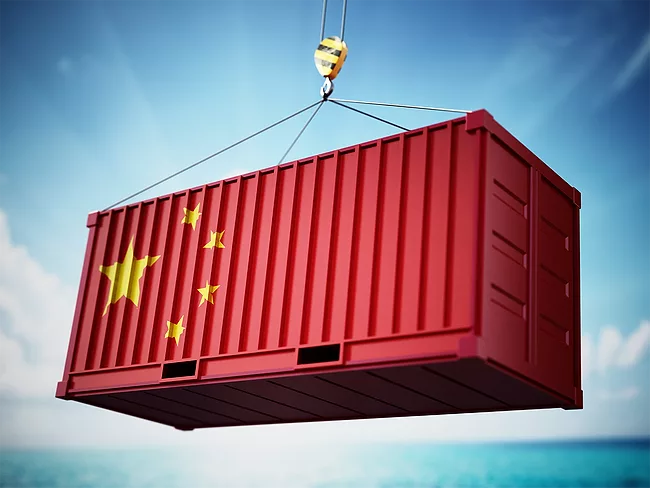
The impact of the COVID-19 pandemic has reached into quarters that are not historically problematic for makers of diagnostics, including China’s import and export practices for test kits. According to one caller on an FDA diagnostic town hall, export officials in China have a blacklist and a whitelist for test kits, but there is some dispute as to whether kits that are eligible for distribution in the U.S. can get off the blacklist unless that kit is specifically called out via the emergency use authorization (EUA) program.
Before the lessons of COVID-19 fade into yesterday’s news, Congress should start preparing for the next pandemic, Sen. Lamar Alexander (R-Tenn.) is advising. As the chair of the Senate Health, Education, Labor and Pensions Committee, the senator issued a white paper Tuesday identifying areas that must be addressed.
Rear Admiral John Polowczyk, vice director of logistics for the Joint Chiefs of Staff, said in a Senate hearing that the one solution to managing pandemic supplies might be to use federal taxpayer dollars to sustain inventories in private-sector warehouses.
During a massive disaster or a pandemic, securing the necessary manufacturing capacity, needles, syringes, vials, properly labeled caps, reagents and other supplies is as critical as the development of the product itself. Some experts have been warning about these needs since COVID-19 first began spreading outside of China. Now members of Congress are sounding the alarm.
Westport, Conn.-based Lumendi LLC revealed that the first endoscopic appendectomy has taken place using its Dilumen Endolumenal Interventional Platform (EIP). The procedure represents a change from traditional appendectomies, which are performed through open or laparoscopic surgery, requiring an incision of the abdominal wall.
 RSS
RSS